Major changes at the Federal Reserve? Report: Waller considers reducing the frequency of policy meetings, breaking a 40-year tradition
 Core Viewpoint

 According to media reports, Waller has proposed considering a reduction in the number of regular interest rate meetings held each year, breaking the practice established since 1981; specific arrangements may be finalized before the next interest rate meeting in mid-September. This move will compress the window for the market to obtain policy signals and reduce the Federal Reserve's responsiveness to changes in inflation and employment, consistent with the style of increasing opacity that has characterized his tenure.
Author: Yang Chen, Wall Street Journal
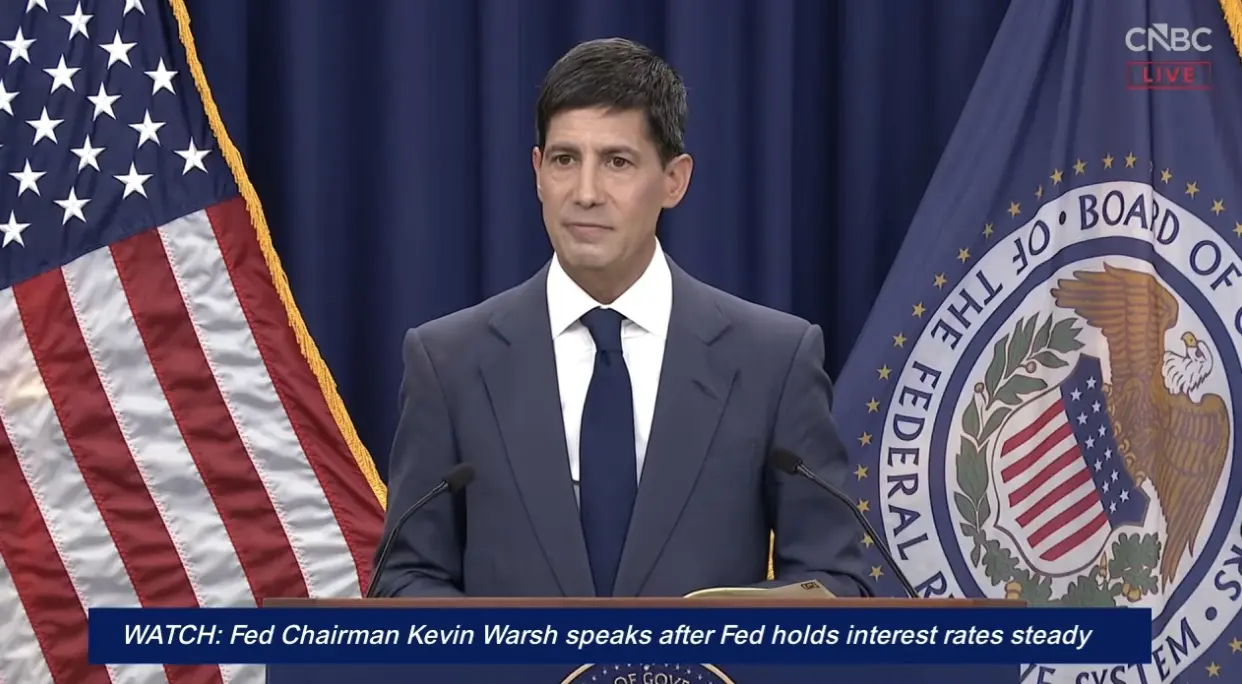
Federal Reserve Chairman Waller is considering reducing the frequency of the Federal Open Market Committee (FOMC) meetings held annually. If implemented, this would be one of the most significant changes in the Federal Reserve's operation in decades and would represent the most substantial policy action since Waller took charge of the central bank.
According to sources cited by The New York Times, Waller proposed the idea of adjusting the meeting frequency at this week's Federal Reserve meeting. The new meeting schedule may be finalized before the next interest rate meeting in mid-September, although specific changes may not be formally implemented until later.
Reducing the frequency of interest rate meetings means that the opportunities for voting on interest rates will correspondingly decrease, breaking the "eight times a year, approximately every six weeks" practice that has been in place since 1981, profoundly reshaping how the Federal Reserve guides the economy.
This move could weaken the Federal Reserve's responsiveness to changes in inflation and the labor market, while also reducing the channels through which the market receives signals about monetary policy, reversing the trend of increasing information transparency that the Federal Reserve has maintained for decades.
Waller's Proposal, Decision May Be Made Before Meeting
According to informed sources, Waller introduced relevant legal authorizations at this week's meeting, including the minimum number of meetings the Federal Reserve must hold each year and the scheduling. He did not organize a formal discussion at the meeting but asked officials to provide feedback directly to him afterward.
The Banking Act of 1935 established the modern structure of the Federal Reserve, which stipulates that the FOMC "must meet at least four times a year." The chairman, as well as any three members of the committee, have the authority to convene a meeting.
The Federal Reserve's official website has published the dates for the remaining meetings this year and for 2027, but notes that "the dates of each meeting are provisional until confirmed by the previous meeting."
Notably, Waller himself previously stated at a congressional confirmation hearing that four meetings "are not enough," and "holding more meetings is appropriate." This contradicts the current discussion of reducing the number of meetings, leading to uncertainty about the extent of the final adjustments.
Breaking a 40-Year Tradition, Concerns Over Reduced Transparency
The Federal Reserve's system of holding eight interest rate meetings annually was established during the tenure of then-Chairman Paul A. Volcker in 1981 and has continued to this day.
This fixed rhythm has created a predictable reference framework for Federal Reserve officials, staff, Wall Street investors, and market forecasters. Before each meeting, Federal Reserve staff prepare detailed briefings and forecasts known as the "Tealbook"; meeting minutes are released six weeks after the meeting; complete meeting records and briefing materials are made public only five years later.
Reducing the number of meetings not only means fewer voting opportunities but may also compress the window of information available to the public regarding the Federal Reserve's interest rate path, further diminishing policy transparency.
This aligns with Waller's overall style since taking office: he has significantly reduced the length of policy statements released after each meeting, provided less public commentary on economic conditions and interest rate trends, and proposed considering the reduction of post-meeting press conferences that have been routine since January 2019.
Historically, the frequency of Federal Reserve meetings has not been fixed. Before the current arrangement was established in 1981, the Federal Reserve held meetings quite frequently, including 19 meetings in 1956 and 12 formal meetings, along with multiple emergency phone calls, during the peak of the inflation crisis in 1978.
Systematic Measures Under the Narrative of "Institutional Reform"
Reducing the number of meetings is part of Waller's broader agenda for "institutional reform" since he took charge of the Federal Reserve in May this year.
His core narrative since taking office has been to implement "institutional reform" at the institution he has long criticized. To date, this vision has materialized into five working groups covering topics such as the Federal Reserve's external communication methods and preferred data sources.
The Federal Reserve has not been without examining this issue in its history. An internal memorandum from 1988 indicated that two senior staff members, including Donald Kohn, who later became vice chairman, assessed the pros and cons of increasing meeting frequency, concluding that more frequent meetings have "the advantage of more timely consideration of new information," but also involve "more preparation work and travel inconveniences." The final conclusion of the memorandum was that the arrangement of eight meetings "can still be considered appropriate."
Now, Waller's reform direction contradicts the assessment made in 1988. Once the proposal to reduce the number of interest rate meetings is implemented, its profound impact on market information flow, the Federal Reserve's policy flexibility, and the communication methods between the central bank and the market will continue to be closely scrutinized by the market.

 Risk warning
Popular articles