Morning Report | Wintermute: Capital rotation is withdrawing from the Bitcoin narrative, institutions may be accumulating as planned; Anthropic reportedly plans to go public in September or early October and is holding pre-IPO meetings with investors

 August 11 Market Important Events Overview
Compiled by: ChainCatcher
What important events have occurred in the past 24 hours?
Wintermute: Capital rotation withdraws from Bitcoin narrative, institutions may be accumulating as planned
According to ChainCatcher, Wintermute released a report stating that the upcoming U.S. CPI data to be announced on Wednesday will be key to testing whether the current interest rate repricing can be sustained. The cryptocurrency market has joined the ranks of rising risk appetite. The U.S. spot Bitcoin ETF has seen net inflows for five consecutive trading days, totaling $853.5 million, marking the best weekly performance since mid-April; the Ethereum ETF has also seen net inflows for the fifth consecutive week, increasing by $244.9 million, with BlackRock accounting for over 80% of the combined $1.1 billion inflow. These capital inflows occurred against a backdrop of relatively low trading volume, aligning more with the characteristics of institutional planned allocations rather than aggressive momentum buying, reversing the narrative of capital rotation withdrawing from Bitcoin over the past two weeks, with ETF demand being matched by supply from elsewhere. On the institutional front, Wells Fargo announced it will launch a tokenized deposit business this fall, starting with the USD-GBP corridor and operating on its own chain, joining the ranks of JPMorgan and Citigroup to bring settlement rails on-chain. Meanwhile, the U.S. Senate Majority Leader submitted a motion to end debate on the CLARITY Act early Saturday morning, which will undergo procedural voting on September 15, requiring support from at least seven non-Republican senators. The improvement in ETF inflows is encouraging but still represents a preliminary signal. A single week of strong performance is not enough to confirm a structural shift, as the entire risk asset sector has just been repriced due to one piece of data. Key catalysts in the near term include the CPI on August 12, PPI on the 13th, retail sales data on the 14th, followed by the Jackson Hole meeting from August 27-29, and the CLARITY Act debate vote on September 15. Until ETF inflows and digital asset treasury activities prove their sustainability throughout the remainder of the summer, it is advisable to remain cautious even as the market increasingly trades on institutional terms.
Arthur Hayes: Rising U.S. dollar liquidity will drive Bitcoin and cryptocurrency prices up
According to ChainCatcher, Arthur Hayes posted on the X platform stating that his article "Yen-quake" will introduce how Buffalo Bill Bessent plans to manipulate the USD/JPY exchange rate and restart the currency printing machine. Arthur Hayes noted that the persistent weakening of the yen over the past decade has driven global asset markets up, but this situation will eventually come to an end. The yen is the lowest-valued currency globally and is a focal point of controversy among the U.S., China, and ordinary Japanese voters. There are three ways to resolve the yen issue, but U.S. Treasury officials and Japanese politicians only lean towards one. He will explain the operational mechanisms of each method for yen appreciation and why the last method is the preferred option; he will also discuss how to politically implement the third option. He stated that as U.S. dollar liquidity rises significantly, Bitcoin and cryptocurrencies will increase in value. The three options include: 1. The Bank of Japan significantly raises interest rates, eliminating the USD/JPY interest rate differential at least on the short end. 2. The government persuades domestic institutions and public entities like GPIF to change investment mandates, selling overseas assets and buying local assets. 3. The preferred option: The Japanese Ministry of Finance hands over its U.S. Treasury holdings to the Federal Reserve through repurchase transactions in exchange for dollars; subsequently, it sells dollars in the foreign exchange market and buys yen. Arthur Hayes stated that before delving into details, speculators should consider why yen appreciation is being discussed now. For decades, many have claimed that the yen was about to appreciate, leading to global carry trade unwinding. Two weeks ago, U.S. and Japanese monetary policy officials conducted a joint currency manipulation operation, merely referring to it as intervention. U.S. Treasury Secretary Buffalo Bill Bessent expressed a desire to raise the counterparty limits for the FIMA repurchase mechanism so that the Japanese Ministry of Finance could use its vast asset reserves to defend the yen. The Japanese Ministry of Finance also stated that it is closely cooperating with the U.S. to push for a decline in the USD/JPY exchange rate. Relevant officials are conveying to the market that they support changes in global currency relations, and thus the market must pay attention.
ENS DAO officially establishes a foundation through a proposal, strengthening decentralized domain ecosystem governance
According to ChainCatcher, ENS DAO has voted to pass the "Next Era of ENS DAO" proposal and completed on-chain execution, officially establishing the ENS Foundation to promote a new governance phase for the ENS ecosystem. According to the proposal, the ENS Foundation will become a fully operational organization, equipped with a full-time executive director, a professional team, and a board of directors consisting of five members, responsible for institutional work related to ENS in areas such as law, policy, standard-setting, and brand protection. ENS stated that over the past nearly ten years, it has developed into an important infrastructure for the Ethereum ecosystem, with millions of registered domain names and integration by numerous wallets, applications, and Layer 2 networks. However, the DAO itself lacks legal entity status, making it unable to effectively participate in the governance of the internet naming system, sign institutional cooperation agreements, hire full-time employees, protect trademark rights, or engage in regulatory discussions. The establishment of the ENS Foundation aims to fill this gap. The foundation will be responsible for: 1. Representing ENS in internet standards organizations such as ICANN, IETF, and W3C, promoting the recognition and management of the ".ens" top-level domain (TLD); 2. Participating in policy discussions as a legal entity and communicating with regulatory agencies and government departments; 3. Holding and protecting ENS trademarks and intellectual property, combating phishing and impersonation; 4. Hiring full-time employees responsible for ecosystem operations, funding programs, and fund management; 5. Becoming a formal cooperation entity between traditional institutions such as registrars and standards organizations and the ENS ecosystem.
SEC exempts AI data center ABS from core regulatory requirements, further opening financing channels for tech companies
According to ChainCatcher, Bloomberg reported that the U.S. Securities and Exchange Commission (SEC) recently issued an internal memo clarifying the exemption of asset-backed securities (ABS) related to AI data centers from core investor protection regulations established after the 2008 financial crisis, including the "risk retention" clause requiring issuers to retain a portion of the debt. The SEC determined that data centers are not financial assets that are liquidated over time, and therefore, the securities linked to them should not be subject to the same regulatory constraints as auto loans or mortgage-backed ABS. Although this move is not an official amendment to the law, it has significant implications as companies have generally complied with related regulations out of compliance prudence. From a market size perspective, the annual issuance of data center ABS has skyrocketed from $2.4 billion in 2020 to $15.5 billion in 2025, growing more than sixfold in five years, with a historical high expected in 2026.
BlackRock: Correlation between Bitcoin and U.S. stocks weakens, market sentiment is improving
According to ChainCatcher, The Block reported that Robert Mitchnick, head of digital assets at BlackRock, stated that Bitcoin market sentiment has shown a noticeable but subtle improvement over the past month, with the correlation between Bitcoin and U.S. stocks weakening, which is healthy for the argument of Bitcoin as a portfolio diversification tool and tail risk hedge. He pointed out that Bitcoin significantly outperformed during the major pullback of the AI sector in July, reflecting this decoupling. Despite Bitcoin's nearly 30% decline this year and about a 50% drop from a year ago, ETF investors continue to buy in—last week, the U.S. spot Bitcoin ETF recorded $853.5 million in inflows, marking the best weekly performance since mid-April, with BlackRock's IBIT contributing $693.7 million (over 80%), and Fidelity's FBTC contributing $116.4 million. Bloomberg analyst Eric Balchunas noted that multiple funds recorded net inflows daily after the Coldcard vulnerability was exposed, making it "hard not to see it as a causal relationship."
July inflation data becomes a key variable affecting Federal Reserve policy, analysts divided on interest rate hikes
According to ChainCatcher, economists stated that the mixed July employment report released last week has heightened the importance of inflation data. Jeffrey Roach, chief economist at LPL Financial, pointed out that the path for Federal Reserve interest rate hikes will depend on how long inflation remains elevated. Vanguard analyst Hicklin believes that the July employment report and expected inflation improvement will strengthen the Fed's rationale for holding rates steady until the end of the year. Recent data releases have bolstered market confidence that the Fed will maintain interest rates unchanged this year.
U.S. SEC Chair plans to restructure the Consolidated Audit Trail (CAT) securities regulatory tracking system, exploring SEC takeover and reform of funding mechanisms
According to ChainCatcher, U.S. Securities and Exchange Commission (SEC) Chair Paul S. Atkins wrote to Robert Walley, chair of the CAT operating committee, stating that the SEC plans to comprehensively reform the CAT system, including adjusting governance structures, funding sources, and operational models. Atkins noted that during his tenure, the SEC has significantly reduced CAT's annual operating costs by issuing exemption measures and approving amendments to the CAT NMS plan, and has eliminated the requirement for reporting personally identifiable information (PII) to the CAT system. These reforms have reduced system costs and the scope of data collection, but fundamental issues remain regarding costs, governance, and funding mechanisms. To address these issues, the SEC issued a concept request for comments on April 16, 2026, conducting a comprehensive review of CAT and other audit trail systems and data sources used in U.S. securities market regulation. The SEC stated that it has received hundreds of feedback comments, with one core consensus being that investors and market participants want the SEC to take more responsibility for CAT management and funding arrangements. Atkins has requested SEC staff to propose deep reforms for CAT, including: 1. Exploring new funding sources for CAT, including using congressional appropriations and transaction fees under Section 31 of the Securities Exchange Act; 2. Drafting rule proposals that, if approved, would repeal Rule 613 and require exchanges, FINRA, and broker-dealers to continue utilizing existing CAT infrastructure and reporting standards to submit CAT data directly to the SEC or its designated entities; 3. Assessing internal resource needs for the SEC to prepare for future governance responsibilities over CAT. The SEC anticipates that this reform will involve multiple stages and will need to be advanced in parallel, with the overall transition potentially lasting until the end of 2027.
U.S. SEC plans to advance cryptocurrency issuance rule proposal, CLARITY Act may reach a key milestone in September
According to ChainCatcher, crypto journalist Eleanor Terrett posted on the X platform stating that although the U.S. Senate has postponed the key procedural vote on the CLARITY Act until September, regulators are preparing to advance their own cryptocurrency issuance rule framework. The Senate previously failed to complete the procedural vote on the CLARITY Act, and the related agenda has been postponed until September. Senate Majority Leader John Thune has submitted a procedural motion, and a new voting window may open in mid-September. Meanwhile, the U.S. Securities and Exchange Commission (SEC) is preparing a new rule proposal for cryptocurrency issuance activities. Market participants believe that even if the legislative process for the CLARITY Act experiences delays, regulators may still push for digital asset market structure reforms through administrative rules. Analysts point out that the U.S. cryptocurrency regulatory path may exhibit a "dual-track approach" in the coming months: on one hand, Congress continues to push for market structure legislation such as the CLARITY Act; on the other hand, the SEC may establish a regulatory framework for token issuance, trading platforms, and digital asset service providers through rule-making.
White House Crypto Council Director: Still committed to pushing the CLARITY Act through in September
According to ChainCatcher, Patrick Witt posted on the X platform stating that the government remains committed to pushing the CLARITY Act through in September. He stated that only legislation can provide lasting rules, and there is a greater need for relevant legislation now than ever. Additionally, Patrick Witt criticized that every delay by the Democrats on this bill further puts the U.S. behind in the competition in the crypto space, undermining its leadership in global financial markets, weakening national security, and depriving law enforcement of tools to combat crypto crime. He stated that the CLARITY Act is a true bipartisan achievement after years of collaboration, and the Democrats still have the opportunity to shape U.S. digital asset policy by assisting in the legislation. The government will maintain an open attitude and continue good-faith negotiations until the September vote.
North Korean hacker group Kimsuky weaponizes AI, launching more covert cyberattacks targeting the cryptocurrency sector
According to ChainCatcher, Bitcoin.com reported that cybersecurity company Genians Security Center released an analysis report stating that the North Korean Reconnaissance General Bureau's hacker group Kimsuky is building and testing a set of AI-based cyberattack tools. Researchers found traces of the deployment of three local AI platforms—Ollama, GPT4All, and Msty—in their infrastructure, as well as components of AI development frameworks such as Microsoft Semantic Kernel and LLaMaSharp, indicating that the organization is systematically developing dedicated AI attack tools rather than merely making temporary attempts. Since early 2026, Kimsuky has used high-quality documents generated by generative AI for spear-phishing attacks targeting virtual assets, financial investments, and game development, significantly reducing the effectiveness of traditional phishing email recognition. The attack vector disguises itself as a legitimate document in a ZIP file, containing a malicious LNK file that, when triggered, can silently execute PowerShell commands in the background.
Federal Reserve's Harker: Multiple rate hikes may be needed to bring down inflation
According to ChainCatcher, Cleveland Fed President Harker stated that current inflation has not yet returned to target levels, and the Federal Reserve may need to implement multiple rate hikes. She mentioned that a single 25 basis point hike "will not have a significant impact on the economy," but she is unwilling to predict the specific number of rate hikes or the final interest rate level. Harker believes that the current interest rate range of 3.5%-3.75% has not imposed a significant restriction on the economy, as businesses have not reduced growth investments due to high rates, thus "now is the time to take action."
The harsh truth about crypto infrastructure and mergers: Paid corporate pilots are a dead end, mergers are the way out
According to ChainCatcher, Bitcoin.com published a commentary stating that Web3 startups' model of conducting paid corporate pilots with traditional financial institutions is "a dead end," with 95% of pilot projects failing to reach production environments. Web2 companies only want the idle venture capital and fee-sharing from startups, rather than their open-source innovations. The article argues that true defense comes from "structural moats"—compliance licenses, deep network liquidity, or distribution locks that Web2 engineering teams cannot replicate. The article cites recent cases: Stripe acquired Bridge for $1.1 billion after proving an annual cross-border transaction volume of $5 billion, while Robinhood acquired Bitstamp for $200 million to gain 50 global regulatory licenses and institutional liquidity, rather than maintaining long-term vendor relationships. The article predicts that the next round of B2C expansion will present an 80/20 pattern: 80% of retail liquidity will be controlled by 3 to 5 Web2/fintech giants like Visa, Stripe, Robinhood, PayPal, and BlackRock, providing compliance and fiat entry; 20% will be an unlicensed DeFi sandbox for validating initial product-market fit. The growth path for startups should be to first validate PMF in the DeFi sandbox, then integrate or sell to a few Web2 gateways that control 80% of the distribution layer. The article believes that the current wave of protocol cancellations and startup failures is part of a "necessary market cleansing."
Data: The number of wallets holding at least 10,000 Bitcoins rises to 90, a six-month high
According to ChainCatcher, the number of wallets holding at least 10,000 Bitcoins has increased to 90, a six-month high, indicating that large investors are accumulating again. Since July 29, wallets holding between 10 and 10,000 Bitcoins have cumulatively increased their holdings by approximately $1.5 billion worth of Bitcoin; influenced by security concerns and regulatory delays, the number of smaller "micro" wallets continues to decline. Analysts from the crypto market data platform Santiment stated that the rotation of tokens from small holders to so-called "strong hands" typically precedes significant price fluctuations, and the likelihood of Bitcoin breaking above $70,000 has increased.
Data: Global crypto ETP net inflows of $600 million in July, Ethereum products lead in capital inflow
According to ChainCatcher, The Defiant reported that 21Shares released its monthly fund flow report on August 10, showing that global crypto exchange-traded products (ETPs) had net inflows of $600 million in July, marking the first month of net inflows since April. Among them, Ethereum-native products attracted $350 million, about twice that of Bitcoin-native products at $176 million, while XRP, Solana products, and a basket of products saw inflows of $34 million, $13 million, and $7 million, respectively. The report stated that July reversed the previous brief and intense redemptions. Bloomberg data shows that $2.5 billion and $4.4 billion flowed out of crypto ETPs and ETFs in May and June, respectively, after a net inflow of $2.9 billion in April. Although Ethereum leads in subscriptions, Bitcoin products still dominate trading, with global crypto ETPs and ETFs having a turnover of $133.3 billion in July, of which Bitcoin accounted for 78.5%, Ethereum 11.1%, other assets 9.1%, and Solana 1.3%. The capital flow leading Ethereum is based on a much smaller active base rather than a large-scale withdrawal from Bitcoin products.
eToro plans to acquire U.S. online broker TradeZero for up to $231 million
According to ChainCatcher, The Block reported that Nasdaq-listed trading investment platform eToro has agreed to acquire U.S. online broker TradeZero, with a transaction value of up to $231 million. This acquisition is an important move for eToro to expand its presence in the U.S. market and enhance its services for active traders. Reuters released this acquisition announcement simultaneously with eToro's Q2 2026 financial report. The financial report shows that eToro achieved continued profit growth in Q2, with net contribution increasing by 9% year-on-year to $229 million, mainly driven by enhanced stock trading activity. TradeZero, founded in 2015, primarily serves active traders in the U.S. and operates in Canada and other international markets. eToro stated that after acquiring TradeZero, it will further expand its U.S. retail customer base and gain a stronger brokerage infrastructure, accelerating the launch of new products in the U.S. market. In recent years, eToro has continuously strengthened its digital asset and on-chain finance layout. The company previously acquired self-custody crypto wallet provider Zengo to enhance its digital asset capabilities and explore the integration of traditional finance with the on-chain economy. This acquisition of TradeZero reflects eToro's strategic direction of building a comprehensive financial ecosystem between stock trading, crypto assets, and multi-asset investment platforms. It is reported that the TradeZero transaction is expected to be completed in the first half of 2027.
Intercontinental Exchange initiates bond financing in preparation for $6 billion acquisition of MarketAxess
According to ChainCatcher, Bloomberg reported that the parent company of the New York Stock Exchange, Intercontinental Exchange (ICE), has initiated the issuance of U.S. investment-grade bonds, just two weeks after the company announced its plan to acquire the electronic bond trading platform MarketAxess for approximately $6 billion. Sources revealed that ICE's bond issuance plan is divided into up to five parts, with maturities ranging from 3 to 10 years. The initial pricing guidance for the longest maturity bonds is about 1.15 percentage points over U.S. Treasury yields. ICE previously announced that it would acquire MarketAxess Holdings for approximately $6 billion to further expand its footprint in the fixed income trading market. MarketAxess is one of the world's leading electronic bond trading platforms, primarily serving institutional investors and providing trading services for corporate bonds, government bonds, and other fixed income products. This acquisition is seen as an important move for ICE to strengthen the infrastructure of the bond market. ICE currently owns the New York Stock Exchange (NYSE), futures exchanges, clearinghouses, and data services, and MarketAxess's electronic bond trading network will help ICE further expand the trading ecosystem for fixed income assets. Market participants noted that as bond trading gradually becomes electronic, traditional exchange operators are acquiring trading platforms and data companies to compete for market share in the institutional investment market. This financing also reflects the trend of large financial infrastructure firms supporting strategic acquisitions through the debt market.
Russian central bank proposes allowing Bitcoin, Ethereum, and USDT to be publicly traded on regulated exchanges
According to ChainCatcher, Cointelegraph reported that the Russian central bank has proposed a list of crypto assets that can be publicly traded, including Bitcoin, Ethereum, and Tether (USDT). This proposal is advanced based on a new law signed by President Putin on August 4, which authorizes the Russian central bank to decide which digital currencies can enter organized trading and establish related rules. According to the proposal, non-qualified investors can purchase up to 300,000 Russian rubles worth of cryptocurrencies annually through brokers, cryptocurrency exchange services, or asset management institutions; qualified investors will not be subject to purchase limits. The Russian central bank also requires all investors to complete risk tests and understand the risks of investing in crypto assets before trading. The proposal is open for public consultation until August 24.
UK Parliament's All-Party Parliamentary Group on Crypto Assets writes to major banks, requesting clarification on accounts and payment restrictions for crypto businesses
According to ChainCatcher, Gurinder Singh Josan and Lord Vaizey of Didcot, co-chairs of the UK Parliament's All-Party Parliamentary Group on Crypto and Digital Assets (APPG), have written to the CEOs of all major UK banks requesting clarification on how they treat crypto and digital asset businesses. The letter raises six questions regarding banks' current policies, whether they provide services to crypto businesses, related transaction restrictions, and the factors influencing their decisions, and inquires whether practices have changed since the UK Financial Conduct Authority (FCA) regulatory regime came into effect. The group stated that many crypto businesses find it difficult to open bank accounts in the UK, and some banks restrict related payments. The letter stems from a parliamentary inquiry into banking service access initiated on July 21, with written submissions due by August 31. A survey by the UK Crypto Assets Business Council in January indicated that banks are estimated to block or delay transactions to crypto exchanges by 40%. HSBC, NatWest, Monzo, and Nationwide limit the amount transferred to crypto exchanges monthly to between £5,000 and £10,000, while Starling and Chase UK prohibit such transfers. Lucy Rigby, the UK Treasury's Economic Secretary, stated that the government does not want FCA-licensed firms to be restricted by banks solely because of their industry; the FCA completed related rules in June, which will be enforced starting October 2027.
BTCPay Server supporters set a bounty of up to 3 BTC to recover stolen funds
According to ChainCatcher, The Block reported that supporters of the Bitcoin open-source payment processor BTCPay Server have pledged to establish a recovery bounty: 10% of the recovered funds will be rewarded, with a cap of 3 BTC if the full amount is recovered. BTCPay disclosed a serious vulnerability last Friday that is being actively exploited, urging users to upgrade as soon as possible. This vulnerability allows attackers to obtain LND administrator credentials, thereby gaining complete control over connected Lightning wallets. BTCPay stated that on-chain wallets (including hot wallets) are unaffected and did not disclose the total loss amount or the number of affected nodes.
Defense tech startup Neros completes $250 million equity financing at a $2.5 billion valuation, led by Sequoia Capital and others
According to ChainCatcher, Bloomberg reported that U.S. defense tech startup Neros has completed $250 million in equity financing, raising its post-money valuation to $2.5 billion, led by Sequoia Capital and the American Strategic Technology Fund, with participation from existing investors such as Thiel Capital. Neros plans to accelerate the research and production of attack drones (Archer) and intercept drones (Bandit) and promote localized manufacturing among allies. The company currently has an annual production capacity of about 14,000 units, with a goal of increasing Archer's annual production capacity to 1 million units by 2028. This round of funding will also be used to expand its workforce from about 200 to 350 employees and upgrade the handheld terminals used to control drones and the Archer AI model, enabling them to maintain target lock and coordinate with other drones in environments without GPS.
Anthropic reportedly plans to go public in September or early October, holding pre-IPO meetings with investors
According to ChainCatcher, AI company Anthropic is holding pre-IPO meetings with potential investors to boost market confidence in its listing plans. Reports indicate that Anthropic is currently valued at approximately $96.5 billion, and if successful, it could become one of the largest IPOs in history. The company has recently faced several challenges, including intensified competition from low-cost AI systems, strained relations with the Trump administration, and opposition to data center construction in various parts of the U.S. Insiders revealed that investors in discussions have inquired about how these factors might impact the company's growth. Anthropic's management downplayed the impact of competition from low-cost AI systems, stating that the company will continue to focus on developing cutting-edge AI models. It is reported that Anthropic plans to go public in September or early October, although specific issuance prices and timelines have not yet been disclosed. Additionally, the company has informed some investors during the pre-IPO meetings that it will further expand into the fields of healthcare and biological AI applications.
Bitwise research director: The stablecoin market is expanding towards a trillion-dollar scale, Circle's value is underestimated
According to ChainCatcher, CoinDesk reported that Bitwise research director Ryan Rasmussen stated that as the stablecoin market expands towards a multi-trillion-dollar scale, Circle's value is underestimated by the market. Rasmussen expects the stablecoin market to grow from approximately $300 billion to between $3 trillion and $5 trillion, with Circle holding a first-mover advantage due to its existing market share as U.S. stablecoin regulation takes shape. He believes that Circle will not only become a stablecoin giant but also a payment giant—the payment infrastructure it is building will play a key role in the stablecoin-driven financial system, yet investors remain overly focused on its reserve business. Rasmussen likened Circle's potential development trajectory to that of Visa and Mastercard, believing that the entry of banks and other giants is not a major threat, as the market's expansion pace is sufficient for Circle to maintain growth. He mentioned that Circle's Arc blockchain will test whether it can expand from stablecoin issuance to the payment infrastructure sector, with the key to its economic model's evolution depending on stablecoin adoption and infrastructure development over the next year.
AI infrastructure startup Trajectory completes $40 million financing, with Sequoia Capital participating
According to ChainCatcher, The Information reported that AI infrastructure startup Trajectory announced the completion of $40 million in financing, reaching a post-money valuation of $300 million, with participation from Sequoia Capital, while specific financing rounds and other investors have not been disclosed. Trajectory was founded by researchers from tech companies such as Google and Apple, primarily helping enterprises customize open-source AI models for specific business needs and optimizing the software toolchain that supports AI Agent operations (known as "Agent Harness"). As the costs of using closed-source large models continue to rise, more enterprises are seeking alternatives: on one hand, they are reducing costs through fine-tuning and customizing open-source models; on the other hand, they are improving the Agent execution framework to enable AI models to more effectively call tools and execute tasks. This trend is driving a new wave of entrepreneurship around model adaptation and Agent infrastructure. Trajectory aims to address key issues faced by enterprises in deploying AI Agents, including model performance optimization, task execution reliability, and enterprise scenario adaptation. The company hopes to help enterprises build more efficient and cost-effective AI applications by providing model customization and Agent operation infrastructure. Investors believe that as AI evolves from mere chatbots to Agents capable of autonomously executing complex tasks, a new infrastructure layer around model optimization and Agent engineering will become an important market. Sequoia has also been continuously increasing its investments in the AI infrastructure sector, including investments in AI Agents and enterprise AI applications.
Prediction market trading infrastructure startup River Markets completes $8.5 million seed round financing, led by Haun Ventures
According to ChainCatcher, Fortune reported that prediction market trading infrastructure startup River Markets announced the completion of $8.5 million in seed round financing, led by Haun Ventures, with participation from Y Combinator, Coinbase Ventures, and Qube Research Technologies. The new funds will primarily be used to expand the engineering team, enhance the speed and security of trading systems, and develop new tools to support large-scale fund management and cross-platform trading. In recent years, prediction markets have attracted the attention of institutional investors. Industry platform data shows that institutional trading demand is rapidly growing. For example, the prediction market platform Kalshi previously stated that its institutional trading volume grew by approximately 800% within six months. Meanwhile, market participants are beginning to use prediction markets for risk hedging, including establishing trading positions around real economic variables such as carbon emission allowances and GPU rental prices.
TON Strategy releases Q2 financial report: Holds over 230 million Grams, staking income reaches $15 million
According to ChainCatcher, Globenewswire reported that Nasdaq-listed TON ecosystem digital asset reserve company TON Strategy released its Q2 2026 financial report, stating that as of June 30, it held approximately 230.5 million Grams, of which about 229.9 million were staked, accounting for approximately 4.4% of the total supply of Grams, with the staked share accounting for about 35% of the total staked Grams in the network. Additionally, TON Strategy's digital assets held in Q2 had a fair value of approximately $369.5 million, up from $272 million at the end of March, earning approximately 9.4 million Grams in rewards through staking, and confirming staking income of approximately $15 million, significantly up from 2.2 million Grams in Q1. Financially, TON Strategy's Q2 revenue was $15 million, a substantial increase from $3 million in Q1; gross profit was $14.3 million, with a gross margin of 95%. The company achieved an operating profit of approximately $500,000 from its ongoing business, compared to an operating loss of $3.7 million in the previous quarter.
Crypto-friendly bank Erebor expected to complete $1.5 billion financing in the coming weeks, with a16z and other institutions planning to participate
According to ChainCatcher, the Financial Times reported that Erebor Bank, a crypto-friendly bank co-founded by Oculus founder Palmer Luckey and Palantir co-founder Joe Lonsdale, is seeking $1.5 billion in financing, targeting a pre-money valuation of $8 billion, nearly double the $4.35 billion valuation at which it completed $350 million in financing in December 2025. Currently, Erebor has received support from investment institutions such as 8VC and Haun Ventures, and the new round of financing is expected to attract participation from Lux Capital, Andreessen Horowitz (a16z), Human Capital, Valor Equity Partners, and SV Angel. As investment in AI infrastructure enters a rapid expansion phase, Erebor is targeting the financing needs of AI companies. AI companies require significant funding to procure GPUs, build data centers, and secure energy supplies, while traditional financial institutions are gradually exploring financing models for AI infrastructure assets. However, whether Erebor can maintain rapid growth after the cooling of the AI and crypto industry cycles will remain a key focus for the market. This round of financing has not yet been finalized and is expected to be completed in the coming weeks.
eToro Q2 financial report: Trading volume down 73% year-on-year, crypto business under pressure
According to ChainCatcher, GlobeNewswire reported that eToro released its Q2 2026 financial report, showing a significant cooling in its digital asset business at the trading level, but the company continues to advance the infrastructure construction of on-chain finance. In terms of trading data, eToro's crypto asset trading volume in July was 1.4 million transactions, down 73% year-on-year; the average investment amount per crypto asset transaction was $182, down 50% year-on-year. Q2 revenue related to crypto assets was $1.346 billion, lower than $1.915 billion in the same period of 2025. Despite a decline in crypto business revenue, the company's overall net profit still grew by 77% year-on-year to $53.48 million. In terms of crypto strategic layout, eToro completed the acquisition of the self-custody digital asset platform Zengo and the Israeli crypto trading platform Bit2C in Q2 to strengthen its self-custody service capabilities and promote the integration of traditional finance with the on-chain economy. At the same time, the company also made a strategic investment in the on-chain perpetual contract platform Extended and became a founding partner of the Open USD stablecoin ecosystem, further enhancing its on-chain trading and stablecoin infrastructure. As of the end of Q2, eToro's holdings of crypto assets amounted to $49.95 million, down from $62.61 million at the end of 2025.
Hyperscale Data did not sell BTC last week, currently holding 961 coins
According to ChainCatcher, PR Newswire reported that U.S. listed company Hyperscale Data disclosed that it did not make any sales of its Bitcoin holdings last week. As of the disclosure, the company and its wholly-owned subsidiaries Sentinum and Ault Capital Group collectively hold 961.2678 Bitcoins, valued at approximately $62.3 million at current market prices. Additionally, the Hyperscale Data board is evaluating multiple strategic options aimed at enhancing shareholder value and has initiated a comprehensive strategic review of the company's business. The review scope includes selling or leasing some or all data center assets for cash, bringing in strategic investors, forming joint ventures, or continuing to hold and advance the development of existing assets. The final plan has not yet been determined.
H100 Group appoints Eirik Grøttum as CEO
According to ChainCatcher, H100 Group announced that it has appointed Eirik Grøttum as CEO. Grøttum previously led Moonshot AS, which completed its acquisition by H100 yesterday. His background includes experience in technology, fintech, systematic trading, and digital assets, and he has previously co-managed related Bitcoin holdings with Chief Investment Officer Peter C. Warren. Additionally, Peter C. Warren will continue to serve as Chief Investment Officer; Sander Andersen will remain as Executive Chairman; and Johannes Wiik will return as Chief Operating Officer, responsible for operations, corporate development, capital markets, and strategic transactions.
Meme Popularity Rankings
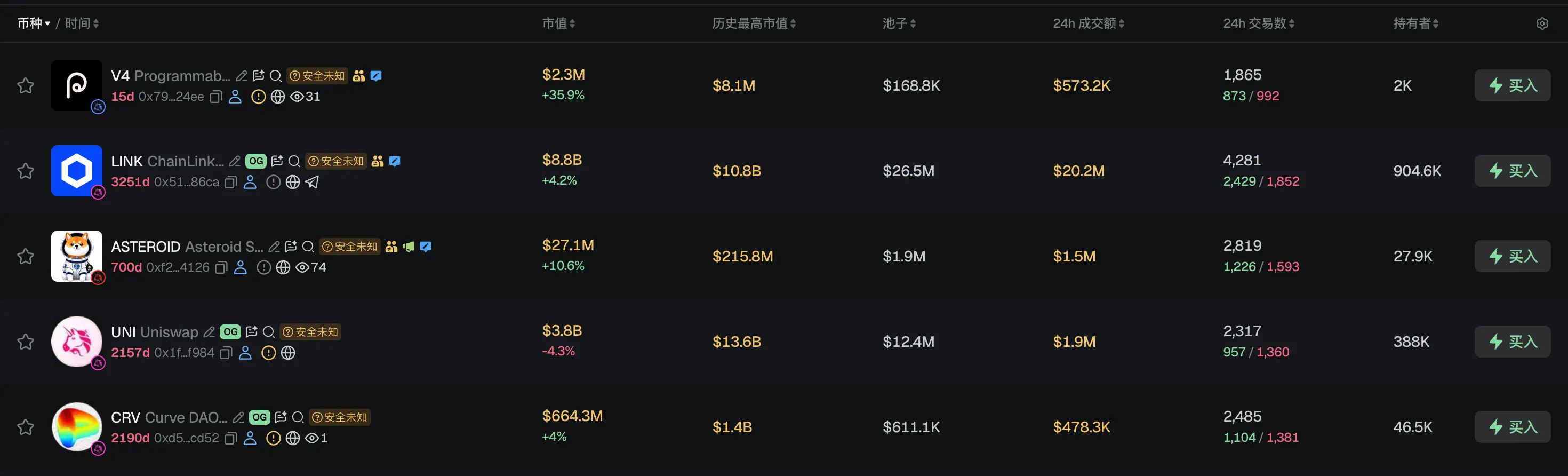
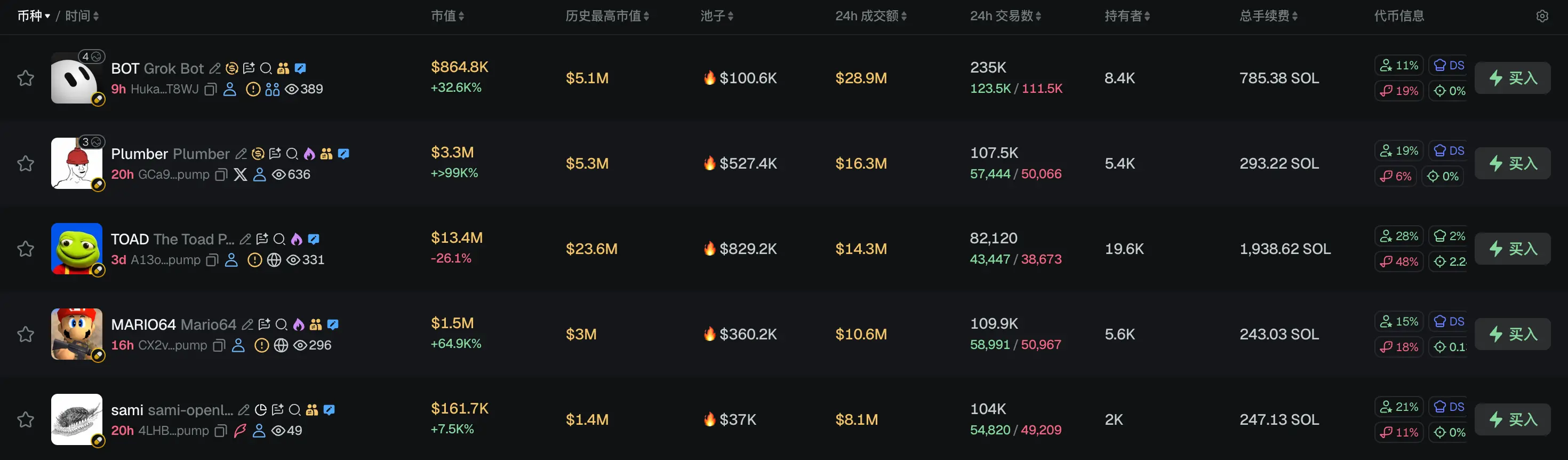
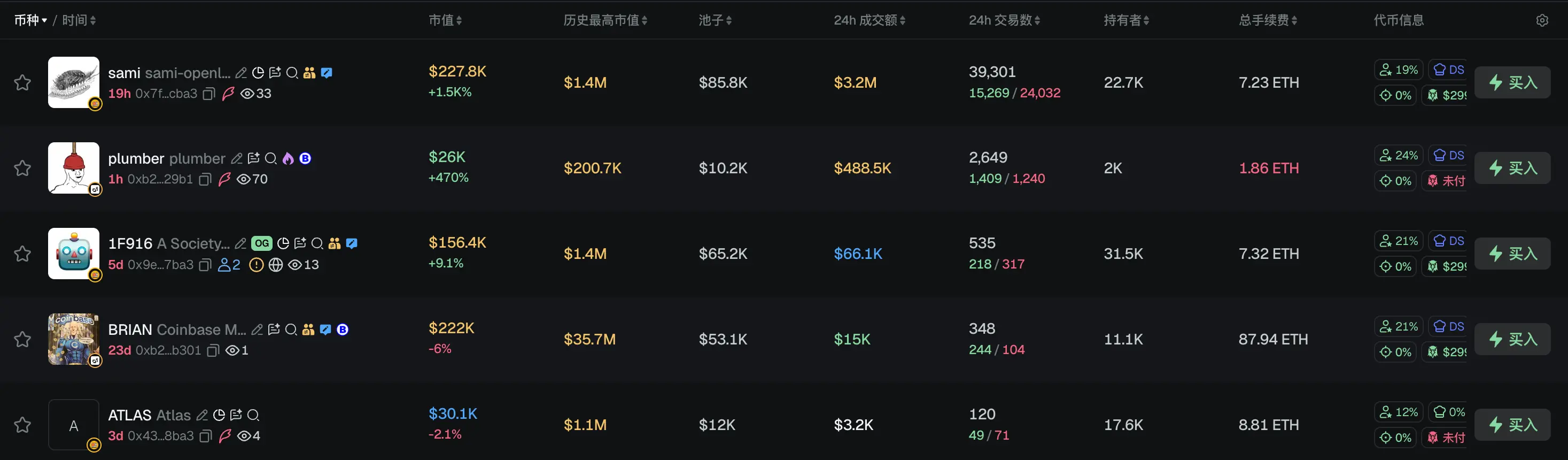
According to meme token tracking and analysis platform GMGN market data, as of August 12, 08:45,
The top five popular ETH tokens in the past 24 hours are: V4, LINK, ASTEROID, UNI, PAXG
The top five popular Solana tokens in the past 24 hours are: BOT, TOAD, MARIO64, sami, Regulardude
The top five popular Base tokens in the past 24 hours are: sami, QUID, ELSA, CHECK, VELVET
What are some noteworthy articles to read in the past 24 hours?
I haven't fired all my bullets yet; we must wait for Walsh to convene the subcommittee and amend the FIMA rules. Stay tuned, as this could happen suddenly when no one is paying attention. However, gold and the USD/JPY exchange rate should start to fluctuate before the policy announcement, as those closely associated with the Trump administration are likely to position themselves ahead of the news release. This situation is not uncommon in other asset classes, and the gold and forex markets are no exception. In short, the days of the "cheap" yen are coming to an end.
However, there is a contradiction worth pursuing further. Zuckerberg hopes to respond to concerns about the concentration of AI power with "superintelligence belongs to everyone," but the true boundaries of individual AI capabilities are still determined by models, computing power, terminals, distribution channels, and most importantly, personal data. Superintelligence can be distributed to everyone, but the infrastructure supporting it inherently has strong economies of scale. In other words, the more personalized AI capabilities become, the more concentrated the underlying platform may be. Therefore, whether Meta's roadmap can ultimately succeed depends not only on its ability to create sufficiently powerful models but also on whether it can bypass Apple and Google for the first time to establish a computing entry point it controls; and when an AI begins to understand users better than any app, who truly owns that AI, and who truly owns the data and relationships generated as a result.
Can Robinhood Chain become a new growth engine for Robinhood?
At this stage, the answer to the question posed at the beginning of the report is still negative. Robinhood Chain has not yet become a significant driver of growth for Robinhood, and relying solely on network revenue will never achieve that. If this answer is to change in the future, Robinhood will need to scale up USDG and commercialize the user entry of the main Robinhood app through application layer distribution partnerships. Otherwise, the financial value of Robinhood Chain is likely to mainly manifest in indirect forms, serving as an entry point that directs users to higher-value financial products that already support Robinhood's business.
Hyperliquid is aggressively killing HyperEVM
Hyperliquid has put almost all its resources and attention on the trading engine, locking matching and liquidity in a closed high-performance system. This choice has given it a clear advantage in the perpetual market, but it has also determined that the adjacent application layer can only grow into a subordinate role. This is not the fate of architecture but a deliberate trade-off. More than a year later, the costs are becoming clear: the trading side continues to attract capital, while the application layer struggles to retain projects and users. Most of those that survive are financial applications revolving around order books; truly independent general needs have hardly emerged. Rather than continuing to debate whether it is dead, it is better to first clarify a more fundamental question: what kind of chain are we really asking Hyperliquid to become?
BIP-110 fork failure: Who has the authority to change Bitcoin?
Thus, the BIP-110 issue intuitively demonstrates how Bitcoin is governed: anyone can propose rule changes, anyone can reject others' rules, but no one can command the entire network to accept their rules. Whether you can truly change Bitcoin ultimately depends not on whether you have written a BIP, but on whether miners, nodes, exchanges, wallets, and users can form a sufficiently broad consensus. Without this consensus, your so-called "modification of Bitcoin" may simply create another chain that no one uses. Note: This article is for information compilation and event review only and does not constitute any investment, trading, or technical operation advice. Forked chain assets may be subject to replay attacks, liquidity issues, and other technical and market risks, and readers should verify information and carefully assess risks before engaging in any related operations.
The income from fomo also mainly comes from trading commissions. According to the platform's latest service terms, spot trading charges a minimum of 0.5% of each transaction amount, with a minimum fee of $0.95 per transaction; perpetual contract trading incurs an additional platform fee of 0.05%. Due to the prevalence of small, high-frequency trades among Meme players, the minimum charge of $0.95 per transaction also constitutes an important source of fomo's income.
This number does not indicate a fixed date. With new computing power joining, the time can be significantly shortened. However, it indicates that even if BIP-110 can activate on its own chain, it may first experience a very long low-speed period. The waiting time before activation may even exceed the planned execution time of about a year for the rules. Ordinary holders do not need to interpret this as "the rules of Bitcoin have changed." The main chain with the highest cumulative work continues to operate under the original rules, with the 21 million cap, existing balances, and daily payments unchanged. The risks are mainly concentrated on nodes, wallets, and service providers using the BIP-110 backend: the confirmation states seen by the two chains differ, and this fork does not have dedicated replay protection, meaning that a single ordinary transaction may be valid on both sides. The current result: BIP-110 has not activated on the Bitcoin mainnet; it has instead created a low-computing-power execution chain.
A three-month "span" achieved in four days: How urgent is Wall Street's FOMO?
According to data compiled by FRED, including this round, only 18 four-day increases have not been lower than this level. Such a four-day amplitude is rare. How do bullish and hedging sentiments coexist in options? According to closing data from the S&P Dow Jones Index and the Chicago Board Options Exchange (Cboe), the S&P 500 rose by 1.79%, while the VIX closed up by 4.04%. The two price movements in the same direction at least indicate that the market did not completely lower pricing for future volatility by the end of the trading day. According to Reuters, the bullish skew of short-term options has reached a two-year high. Data from options data firm Trade Alert indicates that the average daily bullish/bearish ratio for the S&P 500 over the past month is 0.9, within the most bullish range in at least four years.
 Risk warning