BTC $64,310.04 +0.18%
ETH $1,870.51 +0.43%
BNB $568.21 +0.59%
XRP $1.10 +0.84%
SOL $74.40 +0.69%
TRX $0.3304 -0.18%
DOGE $0.0724 +4.71%
ADA $0.1648 +0.75%
BCH $209.33 -0.19%
LINK $8.39 +0.41%
HYPE $57.99 -0.41%
AAVE $91.57 -2.36%
SUI $0.7126 +0.22%
XLM $0.1787 +0.46%
ZEC $483.16 -2.31%
BTC $64,310.04 +0.18%
ETH $1,870.51 +0.43%
BNB $568.21 +0.59%
XRP $1.10 +0.84%
SOL $74.40 +0.69%
TRX $0.3304 -0.18%
DOGE $0.0724 +4.71%
ADA $0.1648 +0.75%
BCH $209.33 -0.19%
LINK $8.39 +0.41%
HYPE $57.99 -0.41%
AAVE $91.57 -2.36%
SUI $0.7126 +0.22%
XLM $0.1787 +0.46%
ZEC $483.16 -2.31%

cabinet

All
Article
Flash

The Japanese government cabinet has approved a bill to classify cryptocurrencies as financial products

The Japanese government has passed an amendment to the Financial Instruments and Exchange Act at a cabinet meeting. This amendment regulates cryptocurrency assets (virtual currencies) as financial instruments for the first time and prohibits insider trading and other activities based on undisclosed information. At the same time, it requires cryptocurrency issuers to disclose information annually to improve the healthy market environment. If this bill is passed in the current Diet session, it is expected to be implemented as early as the 2027 fiscal year.Previously, the Financial Services Agency of Japan primarily regulated cryptocurrencies based on their positioning as "means of payment" under the Funds Settlement Act. However, in recent years, the use of cryptocurrencies as investment tools has been increasing, leading to their inclusion in the regulatory framework of the Financial Instruments and Exchange Act. Additionally, the name of registered institutions will change from "cryptocurrency asset exchange operators" to "cryptocurrency asset trading operators."At the same time, the penalties will also be strengthened: for unregistered institutions engaged in sales, the maximum prison sentence will increase from 3 years to 10 years, and the fines will rise from the current maximum of 3 million yen to a maximum of 10 million yen. By increasing penalties, the stance on protecting investors will be further reinforced.

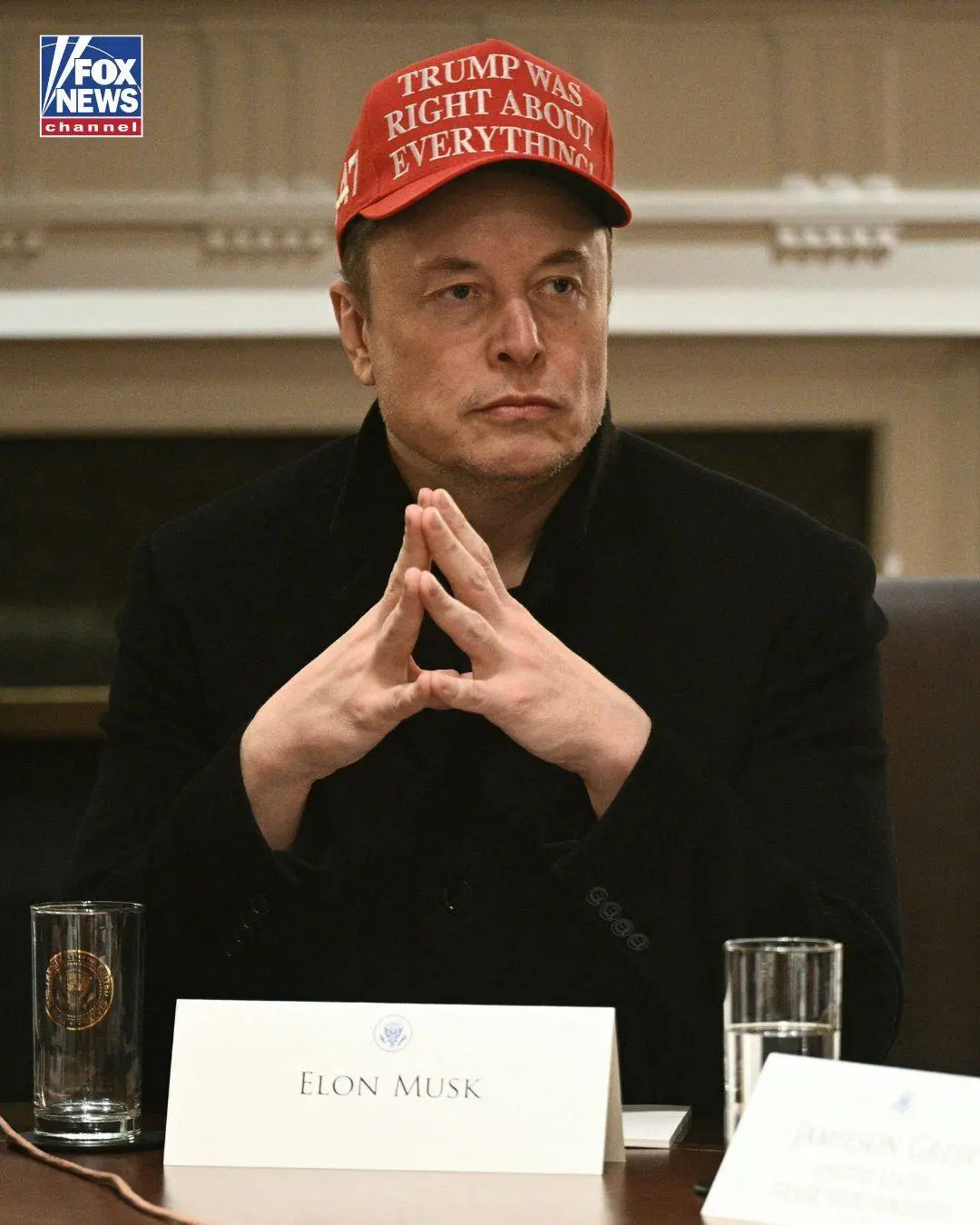
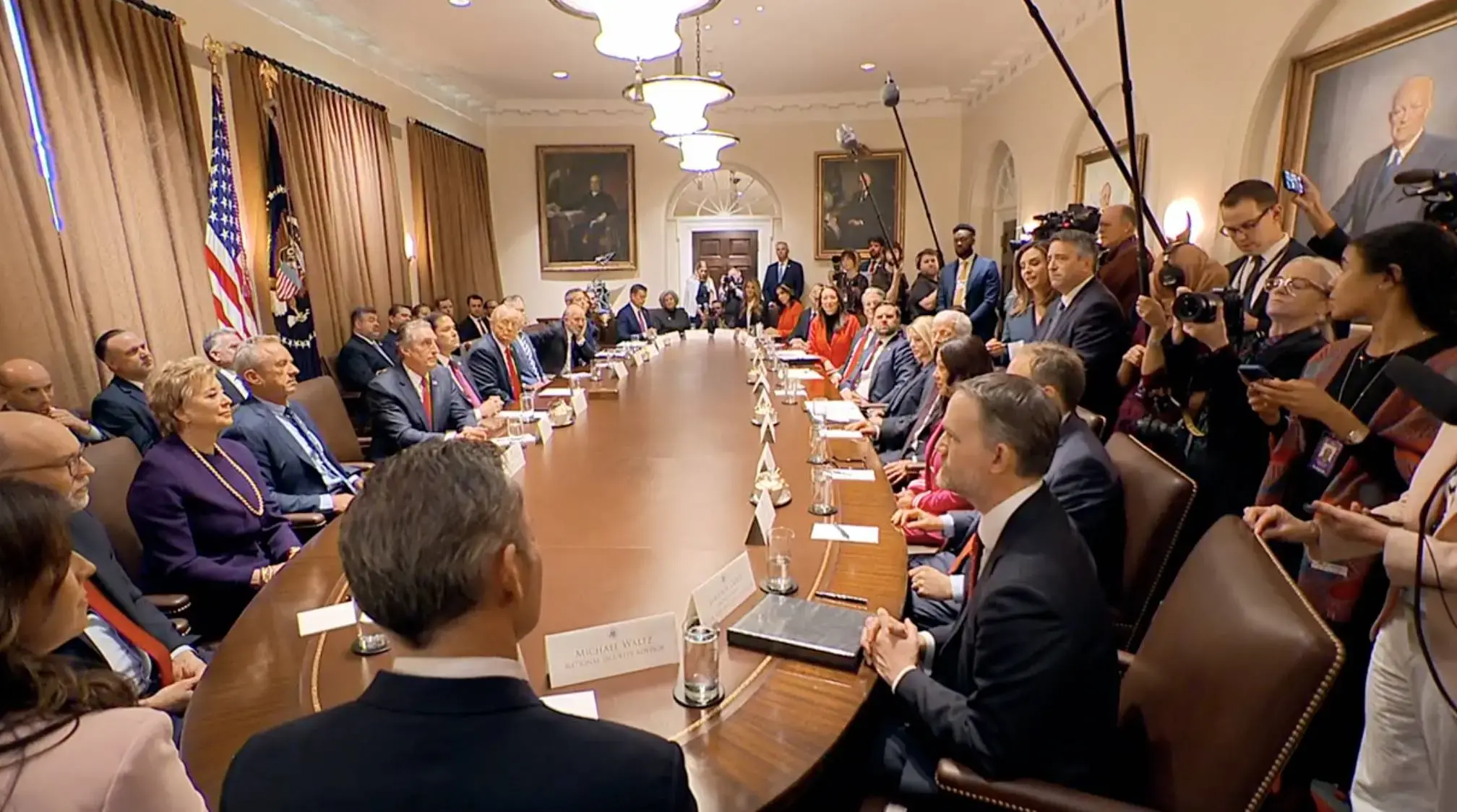
Six members of Trump's cabinet hold cryptocurrencies, with a total value of millions of dollars

ChainCatcher news reports that according to Fortune magazine, after reviewing the financial disclosures of President Trump's cabinet members in January, it was found that among the 22 listed Bitcoin wallets, six members of Trump's cabinet indirectly held Bitcoin through other financial instruments or invested in cryptocurrencies, with a total value of several million dollars.The six members who invested in Bitcoin and their holdings include:Secretary of Health and Human Services Robert Kennedy Jr. disclosed a Bitcoin Fidelity cryptocurrency account valued between $1 million and $5 million.Office of Management and Budget Director Russell Vought disclosed Bitcoin in a Coinbase wallet valued between $1,001 and $15,000, stating he would divest.Director of National Intelligence Tulsi Gabbard reported that she owns a Bitwise Bitcoin ETF trust fund valued between $15,001 and $50,000, as well as Bitcoin valued between $15,001 and $50,000, stating she would divest.Secretary of Defense Pete Hegseth disclosed his holdings of Bitcoin valued between $15,001 and $50,000.Secretary of the Treasury Scott Bessent's financial disclosure shows he holds an iShares Bitcoin Trust ETF valued between $250,000 and $500,000, and he will divest no later than 90 days after confirmation.Secretary of Transportation Sean Duffy disclosed Bitcoin valued between $250,000 and $500,000, Bitcoin held in a Gemini wallet valued between $250,000 and $500,000, and the Fidelity Wise Origin Bitcoin Fund valued between $50,000 and $100,000.

Matrixport: Three key cabinet minister candidates under Trump support Bitcoin, and the U.S. may become a beneficiary of MiCA

ChainCatcher news, Matrixport released a report stating that the elected President Trump has nominated three key cabinet minister candidates, who will respectively head the U.S. Department of the Treasury, the Department of Commerce, and the Securities and Exchange Commission (SEC). These candidates are generally considered to have a friendly attitude towards cryptocurrencies and are aware of the inevitability of digital assets in the modern financial system. Their nominations are expected to further integrate cryptocurrencies into the U.S. economy.Ironically, the U.S. may become a beneficiary of MiCA. During Trump's second term, his pro-cryptocurrency ministerial team is expected to focus on integrating cryptocurrencies into the U.S. economy to drive technological innovation and economic growth. The domestic debate in the U.S. has shifted from merely establishing a regulatory framework to fully embracing cryptocurrencies as a driver for creating economic opportunities and advancing technological progress. The possibility of the U.S. establishing a strategic Bitcoin reserve is increasing. However, the U.S. may not actively purchase Bitcoin but rather indefinitely hold the Bitcoin it already possesses.If the aforementioned nominations come to fruition, Bitcoin as digital gold may evolve into a revival of decentralized finance (DeFi), and the digitization of the U.S. financial economy could make cryptocurrency applications the biggest winner of this election. This shift may also force other countries and regional governments to accept cryptocurrencies, accelerating their global adoption. In the scenario of a revival of decentralized finance (DeFi), Ethereum may catch up.
app_icon
ChainCatcher Building the Web3 world with innovations.