BTC $81,000.60 -1.46%
ETH $2,409.10 -1.22%
BNB $721.03 -1.41%
XRP $1.30 -2.87%
SOL $103.52 -2.32%
TRX $0.3345 +1.03%
DOGE $0.0800 -1.04%
ADA $0.2231 -2.95%
BCH $274.95 -0.60%
LINK $12.27 -1.71%
HYPE $78.80 -3.68%
AAVE $154.81 -0.72%
SUI $1.01 -1.11%
XLM $0.1797 -2.70%
ZEC $1,146.98 -5.49%
AAPL $343.14 -0.55%
AMZN $250.26 -1.64%
GOOGL $341.44 -2.38%
MSFT $525.91 -2.51%
META $711.25 -3.83%
NVDA $215.59 -0.94%
TSLA $351.95 -2.49%
SNDK $1,323.61 -1.31%
INTC $90.76 -3.70%
SPCX $145.66 -0.88%
MU $892.49 -2.18%
AMD $536.19 -2.49%
BTC $81,000.60 -1.46%
ETH $2,409.10 -1.22%
BNB $721.03 -1.41%
XRP $1.30 -2.87%
SOL $103.52 -2.32%
TRX $0.3345 +1.03%
DOGE $0.0800 -1.04%
ADA $0.2231 -2.95%
BCH $274.95 -0.60%
LINK $12.27 -1.71%
HYPE $78.80 -3.68%
AAVE $154.81 -0.72%
SUI $1.01 -1.11%
XLM $0.1797 -2.70%
ZEC $1,146.98 -5.49%
AAPL $343.14 -0.55%
AMZN $250.26 -1.64%
GOOGL $341.44 -2.38%
MSFT $525.91 -2.51%
META $711.25 -3.83%
NVDA $215.59 -0.94%
TSLA $351.95 -2.49%
SNDK $1,323.61 -1.31%
INTC $90.76 -3.70%
SPCX $145.66 -0.88%
MU $892.49 -2.18%
AMD $536.19 -2.49%

irgc

All
Article
Flash

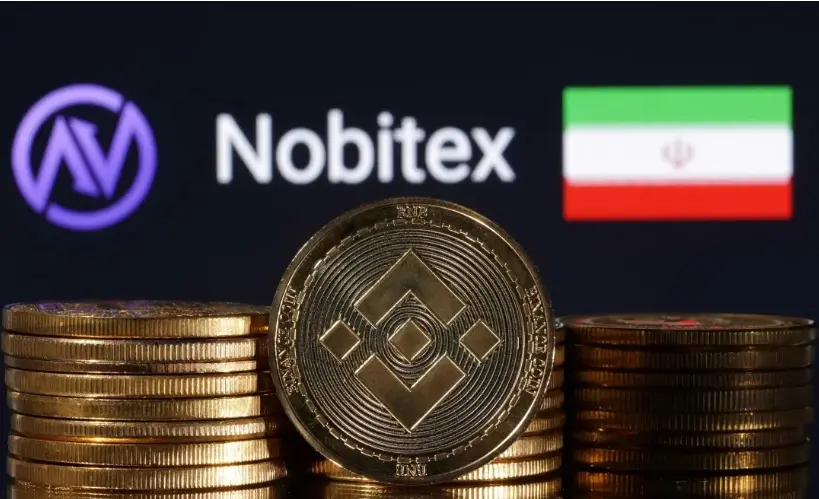
WSJ: Iran's sanctions evasion network transfers funds through Binance, with a total transaction amount involved reaching 850 million USD

According to a report by the WSJ, a previously undisclosed internal investigation report from Binance shows that Iranian financier Babak Zanjani used affiliated companies, shell companies, and multiple trading accounts to transfer funds through Binance, establishing a funding channel for the Iranian Islamic Revolutionary Guard Corps (IRGC) to evade Western sanctions. The related network involves 21 individual and corporate trading accounts, with a total trading volume of approximately $850 million, of which at least $67 million flowed from two accounts to wallets associated with the IRGC.The report indicates that Tajik businessman Sukhrob Oimakhmadov, classified as a "high-value customer" by Binance, received over $10 million through his account, with sources including digital wallets later identified by the Israeli Ministry of Defense as belonging to the IRGC. The cryptocurrency platform Zedcex, associated with Zanjani, had a total trading volume close to $830 million, with approximately $56 million withdrawn to related wallets. The network also involves the Turkish payment company ZedPay, as well as the cryptocurrency token USDZ used for trading.Binance stated that it has identified the related activities and taken measures, with all accounts associated with sanction violations being restricted from trading and gradually closed. The company also emphasized that the total trading volume of accounts does not equal the actual funds flowing into the IRGC and acknowledged past procedural issues in internal approvals and execution timeliness. The U.S. Department of the Treasury had previously imposed sanctions on Zanjani and related companies and individuals.

On-chain analysis questions the U.S. accusations of "Iranian cryptocurrency assets," with some seized wallets possibly related to actors from other countries

According to Cointelegraph, Nominis analysis indicates that some of the "Iran-related" crypto wallets recently seized and frozen by the U.S. OFAC may not exhibit on-chain behavior characteristics consistent with the past operational patterns of the Islamic Revolutionary Guard Corps (IRGC), suggesting the involvement of other state-level actors.Previously, the U.S. Treasury stated that over $340 million, totaling nearly $500 million in Iran-related crypto assets, had been frozen in the "Operation Economic Fury." Nominis CEO Snir Levi noted that historically, IRGC-related wallets typically spread funds across multiple addresses, maintain low balances in single wallets, avoid long-term holdings, and employ complex operations to reduce the risk of being frozen; however, the wallets that were seized this time show significant differences in their funding structure and behavior patterns.He believes this raises a critical question: how much of the frozen $340 million in assets is directly controlled by the IRGC, and how much involves broader infrastructures that may even overlap with financial networks of other countries.Levi also pointed out that organizations, including the IRGC and potential state-level actors from China, are continuously upgrading their use of blockchain infrastructure, and traditional static risk control labels are no longer sufficient; behavioral analysis and address clustering are becoming increasingly critical.
app_icon
ChainCatcher Building the Web3 world with innovations.