The monthly increase is nearly 50%, breaking through $64,000. What has caused this round of Bitcoin's rise?

 Bitcoin is approaching its all-time high, and most investors, including institutional investors, have started to experience "FOMO."
Author: Mia, ChainCatcher
Editor: Marco, ChainCatcher
With yesterday's continued surge, BTC successfully broke through the $60,000 mark and briefly rose to $64,000 early this morning, with a daily increase of nearly 10%. Currently, Bitcoin has reached historical highs against various fiat currencies, including the Chinese Yuan, Japanese Yen, South Korean Won, and Australian Dollar, causing a stir in the crypto market, and Bitcoin has successfully returned to the top ten global assets by market capitalization.
In just the month of February, BTC has risen about 50%, becoming the best-performing major asset since the beginning of 2024.
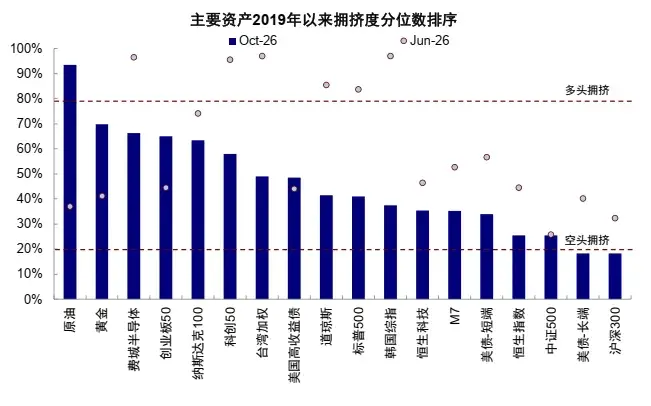
According to data on investment returns from major global capital markets, the Russian stock index has seen the largest annual increase of 40.65% since the beginning of 2024, followed by the Nasdaq index with an increase of 38.7%. Although the commodity market has also shown strong growth momentum in 2024, BTC's increase still leads the way. While gold, as one of the representatives of commodities, reached a historical high in 2024, its increase is relatively smaller compared to BTC.
Some investors have dubbed this bull market as "epic," but for most investors, the current BTC "50% monthly increase" has come as a surprise.
What exactly has driven BTC's rapid ascent, approaching $65,000?
Bitcoin Spot ETF Approval
On January 10, 11 Bitcoin spot ETFs, including BlackRock's IBIT and Fidelity's FBTC, received approval from the U.S. Securities and Exchange Commission (SEC) and officially began trading on January 11, marking the start of cryptocurrency's entry into the traditional financial sector.
With the official approval of Bitcoin spot ETFs, a significant amount of traditional financial capital has begun to flow into the Bitcoin market. BlackRock's IBIT quickly attracted massive inflows upon its launch and ranked fifth in U.S. listed ETF trading volume in February 2024. Meanwhile, Fidelity's FBTC also made it into the top ten in terms of net inflows among all ETFs, indicating that the influence of Bitcoin and the cryptocurrency market in the traditional financial sector is gradually expanding.
Just yesterday, the daily trading volume of Bitcoin spot ETFs reached $7.69 billion, setting a new historical record since their launch. Since the trading of Bitcoin spot ETFs opened, their total net asset value has climbed to $43.16 billion, with the ETF net asset ratio (market value relative to Bitcoin's total market value) reaching 3.86%. Additionally, the historically accumulated net inflow of funds has reached $6.72 billion.
The formal approval of Bitcoin spot ETFs in the U.S. undoubtedly paves a convenient path for traditional finance to enter the crypto market. At the same time, the strong interest and inflow of traditional financial capital into the Bitcoin market have injected new liquidity into the crypto market, becoming a key factor driving the recent rise in BTC prices.
Interest Rate Cut Expectations
The Federal Reserve's monetary policy has always been a significant factor influencing capital flows and financial markets. According to the minutes of the Federal Reserve's meetings, officials unanimously agreed in December that the interest rate hike cycle that began in 2022 may have come to an end, and the dot plot indicates that the Fed plans to cut rates three times in 2024.
"Interest rate cut expectations" typically signal that the Fed will ease monetary policy, and the current pause in rate hikes has prompted risk markets, including the crypto market, to begin a phase of upward movement. Once rate cuts are officially implemented, it means lower borrowing costs, leading to a significant influx of capital into risk markets, and the increase in market liquidity will boost the overall performance of the crypto market, driving up the prices of cryptocurrencies, primarily Bitcoin.
Bitcoin Halving
With less than 60 days until the next Bitcoin halving, the "Bitcoin halving" has become the biggest expectation for Bitcoin investors in 2024. Given the current rise in Bitcoin prices, the "Bitcoin halving" is also seen as a favorable catalyst.
Historical data shows that after each halving event, Bitcoin's price has experienced significant increases.
After the 2012 halving, Bitcoin's market value grew 50 times in one year.
After the 2016 halving, it grew 85 times in a year and a half.
After the 2020 halving, it grew 10 times in a year and a half.
The halving reduces the supply of Bitcoin while demand remains constant or increases, thereby driving up Bitcoin's price.
In this regard, Michael Saylor also pointed out that as the Bitcoin halving event approaches, miners' selling capacity will be halved, from $12 billion to $6 billion. This change may reduce market selling pressure, creating favorable conditions for Bitcoin's price increase.
Will It Continue to Rise?
With multiple positive factors at play, Bitcoin's market capitalization has successfully surpassed $1.2 trillion, accounting for 50.5% of the entire crypto asset market. Currently, Bitcoin's price remains stable above $61,000. According to Glassnode data, contrary to the upward trend of Bitcoin, some holders of Bitcoin for over a year (long-term holders) have chosen to exit.
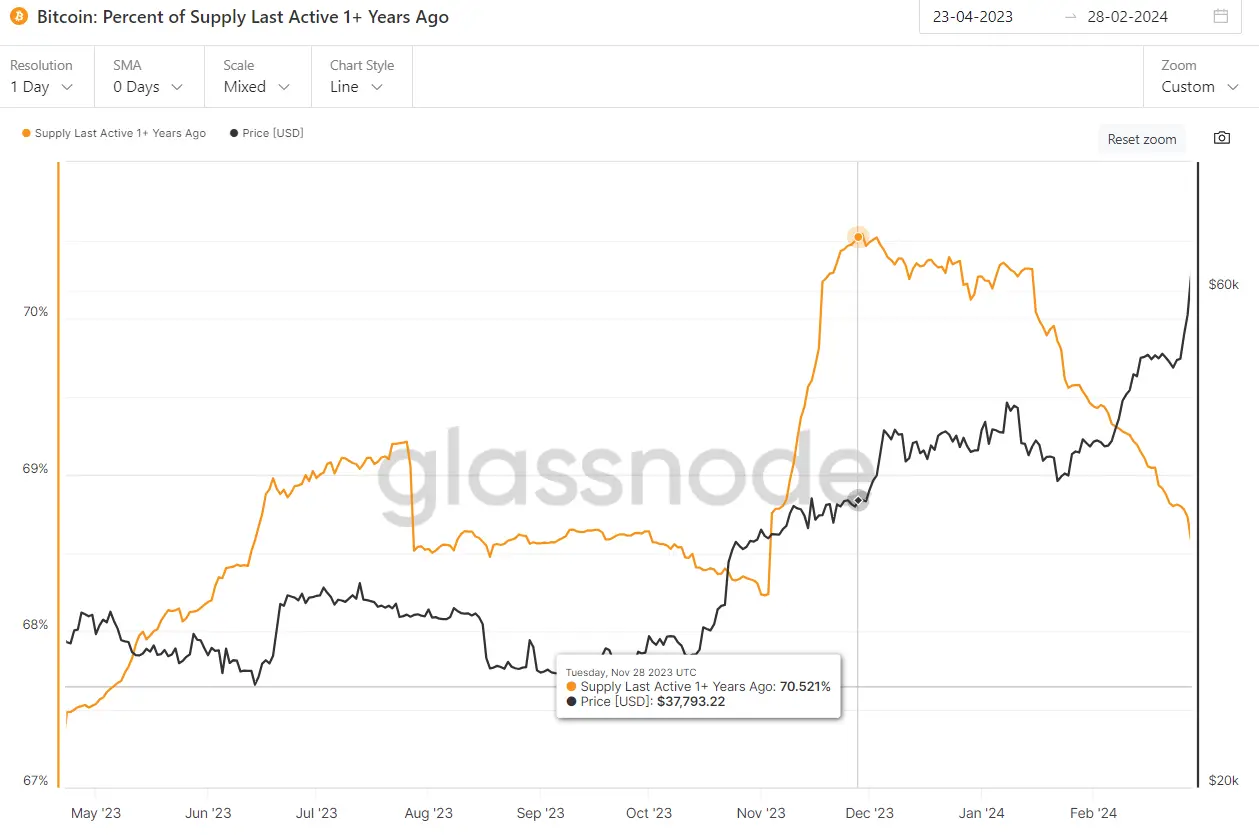
However, institutions, including some sovereign nations, have indicated they will continue to hold.
El Salvador's President Nayib Bukele stated that El Salvador's Bitcoin holdings are currently up over 40%, with no plans to sell Bitcoin.
U.S. publicly traded company MicroStrategy has seen its Bitcoin holdings appreciate over $5.878 billion, currently holding a total of 193,000 Bitcoins, with an average purchase price of $31,544 per coin.
Various signs indicate that most investors, including institutional investors, have begun to experience "FOMO."
However, as the "Fear and Greed" index reaches extreme greed, Matrixport's co-founder has signaled that current market sentiment has reached a level that should be approached with caution, suggesting that by the end of April, we may see a healthy downward adjustment of about 15%, with specific adjustments possibly occurring in March.
From a macro perspective, as Matrixport's co-founder stated, "March is already a tricky month (with the Fed meeting and BTFP)," looking at the U.S. economic history since the year 2000, rate cuts have often been accompanied by declines in risk markets. Therefore, interest rate cut expectations are not simply a negative or positive for the crypto market; a rate cut in April may drive a new round of increases. At the same time, if we refer to the trends after the approval of gold ETFs, the positive impact of Bitcoin spot ETFs may begin to weaken two months after approval (in the second quarter). Regarding the Bitcoin halving, with Bitcoin's market value having risen significantly in recent years, will it replicate previous multiples of growth at its current market value? Perhaps the upside potential is limited.
At this stage, Bitcoin's price increase is likely driven by market "FOMO," and after experiencing a spike last night followed by a flash crash to $59,000 (possibly triggered by a Coinbase outage), along with some long-term investors exiting and relatively weak buying pressure, it is highly probable that Bitcoin will enter an adjustment phase.
 Risk warning
 Risk warning