Morning Report | Strategy sold 32 BTC and over 800,000 shares of MSTR last week; Binance officially announced its U.S. stock trading portal; Polymarket reached an exclusive partnership with OneFootball

 Overview of Important Market Events on June 1st
Compiled by: ChainCatcher
Important News:
- New York court accepts the case of "Claiming dormant addresses of Satoshi Nakamoto and others Bitcoin," worth a total of $274 billion
- Polymarket partners exclusively with OneFootball, reaching 645 million fans before the World Cup starts
- Binance will support trading of over 7,000 US stocks and ETFs and plans to launch tokenized stock product bStocks
- Strategy sold 32 BTC and over 800,000 shares of MSTR last week
- BitMine increased its holdings by 26,497 ETH last week, bringing its total holdings to approximately 5.417 million
- Bitcoin mining company IREN completes $3.65 billion investment-grade GPU financing
- Radiant: will gradually cease operations, unable to continue development after the 2024 hacker attack
What important events happened in the past 24 hours?
According to ChainCatcher, BitMine increased its Ethereum holdings by 26,497 last week, bringing its total Ethereum holdings to 5,416,901 as of May 31, 2026, accounting for approximately 4.49% of the total Ethereum supply.
Currently, the total value of cryptocurrencies, cash, and other investment assets held by BitMine is approximately $11.6 billion, including $446 million in cash, 203 bitcoins, $180 million in Beast Industries equity assets, and a $93 million investment in Eightco Holdings. Additionally, it has staked 4,718,677 ETH (over 87% of total holdings), valued at approximately $9.5 billion, with an annualized staking yield of about $258 million.
Tom Lee stated that the current price of ETH does not reflect the ongoing improvement in Ethereum's fundamentals, but this is not surprising in the early stages of a crypto spring. The company expects to achieve its goal of holding 5% of the total supply of ETH by 2026.
According to ChainCatcher, OpenPayd, a stablecoin payment infrastructure platform, announced a definitive business combination agreement with special purpose acquisition company (SPAC) Titan Acquisition Corp.
Upon completion of the transaction, OpenPayd will be listed on Nasdaq under the ticker symbol "OP," with a post-merger enterprise valuation of approximately $1.145 billion. OpenPayd currently offers stablecoin trading services, with clients including eToro, Kraken, and OKX.
It is reported that if Titan shareholders do not redeem their shares, OpenPayd expects to raise up to $276 million to strengthen its balance sheet and expand its financial infrastructure capabilities.
Bitcoin mining company IREN completes $3.65 billion investment-grade GPU financing
According to ChainCatcher, Bitcoin mining company IREN announced the completion of $3.65 billion in investment-grade GPU financing to support its AI cloud contract with Microsoft.
The financing includes $2.1 billion in US private placement debt and $1.55 billion in delayed draw term loans, with a combined debt cost of 6%.
It is reported that this financing received A and A(low) ratings from Fitch and DBRS, respectively, making it the highest-rated investment-grade GPU financing project currently publicly disclosed, and the first GPU financing case in the US private market.
IREN stated that the financing is secured by GPU assets and related contract cash flows, which helps optimize the capital structure and supports the company's expansion of AI Cloud capacity to 480MW by the end of 2026.
Strategy sold 32 BTC and over 800,000 shares of MSTR last week
According to ChainCatcher, based on an 8-K filing submitted by Strategy to the SEC, the company sold 32 bitcoins at an average price of $77,135 from May 26 to 31, totaling approximately $2.5 million, with proceeds used to pay preferred stock dividends.
During the same period, the company sold 801,994 shares of MSTR common stock through its ATM program, raising approximately $128.3 million.
As of May 31, 2026, Strategy holds a total of 843,706 bitcoins, with a total holding cost of approximately $63.87 billion and an average price of about $75,699.
According to ChainCatcher, Hong Kong's Acting Secretary for Financial Services and the Treasury, Chan Ho-lam, stated that the authorities will submit legislative proposals to the Legislative Council within the year regarding opinions and management services for virtual assets, aiming to establish a comprehensive regulatory system covering trading, custody, advisory, and asset management, and implement mandatory licensing arrangements.
The new framework will advance according to the principle of "same business, same risk, same rules," aligning with existing regulated activities under the Securities and Futures Ordinance, and will focus on strengthening private key management and client asset security requirements in virtual asset custody.
The Hong Kong Securities and Futures Commission stated that the current applications for licenses related to virtual assets continue to increase, but licensing will adhere to the principle of "quality over quantity," balancing market capacity and quality.
Pavel Durov: TON native token renamed to Gram, blockchain name remains unchanged
According to ChainCatcher, Telegram founder Pavel Durov announced on his personal channel that the TON ecosystem has launched a brand upgrade plan, renaming its native token from TON to Gram. The team stated that "Gram" was the name given to the native currency in the original white paper of the TON project, and this renaming aims to return to the project's original intention and open a new phase of ecosystem development.
According to the announcement, this brand transition is expected to be gradually completed within approximately three weeks. During the transition period, relevant infrastructure, wallets, and ecosystem applications will successively update the token name.
TON emphasized that this adjustment only involves the brand name of the native token, and the TON blockchain network itself will continue to use the name "TON (The Open Network)" without being affected.
The official stated that restoring the native token to Gram is the fourth step in the "Make TON Great Again" seven-step strategy, and more ecosystem development plans and upgrade initiatives will be announced in the future.
According to ChainCatcher, the DeFi protocol Radiant announced that after experiencing a hacker attack in October 2024 and 18 months of continuous efforts, the DAO no longer has a viable path to continue operations and will gradually enter the "sunsetting" phase.
Currently, the project has no progress in recovering funds, no new capital injection, and lacks the funds and development space to maintain normal operations, making it impossible to continue responsible long-term operations.
According to ChainCatcher, Fortune reported that Binance is accelerating the expansion of its traditional financial business, planning to add US stock trading features to its platform and launch tokenized stock products, further developing towards a "super app" model.
It is reported that Binance will offer trading of over 7,000 US stocks and ETFs for non-US users and plans to launch the tokenized stock product bStocks in the coming weeks.
Binance Co-CEO Richard Teng stated that users can purchase stocks using digital assets such as USDC, USDT, and BNB, and support fractional trading with a minimum of $5 and zero commission. This service is provided by Nest Trading for brokerage support, while Alpaca is responsible for custody, dividend distribution, and corporate action processing. Binance stated that bStocks will convert traditional stock holdings into programmable, always-on chain tokenized assets.
Previously, Binance had relaunched on-chain tokenized assets tracking US stocks and ETFs such as Apple, Tesla, and Nvidia through a partnership with Ondo Finance.
New York court accepts the case of "Claiming dormant addresses of Satoshi Nakamoto and others Bitcoin," worth a total of $274 billion
According to ChainCatcher, Galaxy reported that in March this year, the New York State Supreme Court quietly accepted a lawsuit aimed at confirming ownership of over 3.7 million bitcoins (approximately $274 billion) associated with 39,069 bitcoin addresses, including addresses belonging to Bitcoin founder Satoshi Nakamoto (a total of 21,744 addresses holding 1.09 million bitcoins, valued at $83.7 billion at current prices).
The plaintiffs are Noah Doe (pseudonym) and two unnamed limited liability companies from Wyoming. Noah Doe requests the New York State Supreme Court to declare their ownership of these dormant addresses under New York State's lost property law (Section 7-B of the Personal Property Law) through a declaratory judgment lawsuit (Section 3001 of the New York Civil Practice Law).
In short, they are trying to have the New York court rule that the bitcoins of Bitcoin founder Satoshi Nakamoto (and many other lost address bitcoins) belong to lost property, and they have the right to legally own them because they "found" these cryptocurrencies. From June 30 to July 10, 2025, they sent "abandonment notices" to each found address via OP_RETURN. However, even if they win completely, they will only receive a court statement and will not obtain any private keys or be able to transfer any bitcoins from these addresses.
But Galaxy stated that the real value of the New York ruling lies in its potential to act as a "title defect," allowing plaintiff Noah Doe to raise objections with exchanges or custodians if these bitcoins appear in any regulated venue.
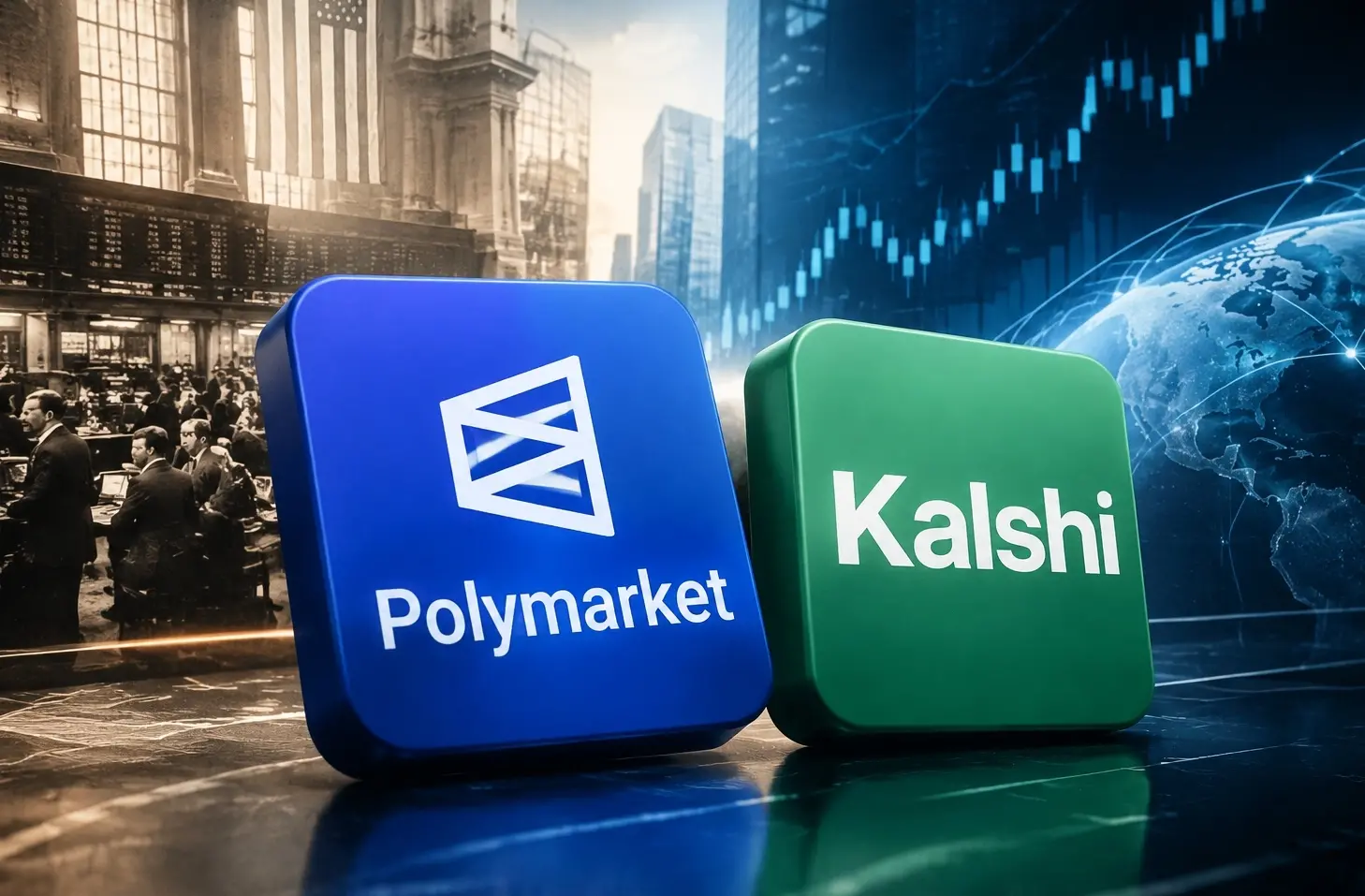
According to ChainCatcher, Polymarket announced on Thursday that it has signed an exclusive partnership agreement with the Berlin-based digital football platform OneFootball, integrating the prediction market into OneFootball's 200 million monthly active users and 645 million fan ecosystem about two weeks before the 2026 FIFA World Cup starts. Polymarket becomes the only prediction market partner within the OneFootball app, with competitors like Kalshi barred from entering this product.
This is Polymarket's seventh major football collaboration this year and the first aimed at media application distribution channels, having previously signed with MLS, LaLiga, Serie A, Lazio, and DAZN.
According to analysis by the Pew Research Center, since July 2024, sports have accounted for 39% of Polymarket's total trading volume. The 2026 World Cup champion market has seen a cumulative trading volume of over $1.2 billion since its launch last July, while the broader World Cup category market totals approximately $1.3 billion.
OneFootball has previously launched the OFC token and the BALLS points system based on Base and Ethereum, and Polymarket's integration will convert user participation into actual trading. OneFootball has raised over $300 million, with investors including Liberty City Ventures, Animoca Brands, and Adidas.
The State Council of China releases "Regulations on Foreign Investment"
According to ChainCatcher, the State Council of China has released the "Regulations on Foreign Investment," which will take effect on July 1, 2026. China supports investors in conducting foreign investment activities based on market principles and actively participating in international cooperation and competition.
Investors have the autonomy to make decisions regarding foreign investments, bear risks, and assume profits and losses. Investors conducting foreign investments and related activities must comply with laws and regulations and international practices, respect local customs and cultural traditions, adhere to business ethics, act in good faith, compete fairly, fulfill social responsibilities, maintain the national image, and must not disrupt market competition order, damage the ecological environment, harm the legitimate rights and interests of workers, or endanger China's national security, harm national interests, and social public interests.
Federal Reserve and Bank of England officials have differing views on the future of stablecoins
According to ChainCatcher, Cointelegraph reported that Federal Reserve Governor Christopher Waller and Bank of England policymakers Megan Greene expressed starkly different views on the future of stablecoins at the Dubrovnik Economic Conference. Waller stated that the growth of dollar-backed stablecoin usage could enhance the global influence of US monetary policy, describing stablecoins as merely payment tools, "with no evil or danger," bringing competition to the payment sector.
Greene, on the other hand, held the opposite view, suggesting that tokenized deposits could replace stablecoins within a few years, stating, "In five years, we might wonder why we were talking about stablecoins." Greene compared central bank digital currencies to "turtles," stablecoins to "rabbits," and tokenized deposits to "rhinos," predicting that the rhino would ultimately prevail.
Solana initiates upgrade proposal SIMD 547, aiming to increase long-term SOL burn rate
According to ChainCatcher, the Temporal team submitted upgrade proposal SIMD 547 within the Solana governance forum, proposing to adopt a resource demand-based fee model on Solana (with new fees being 100% burned), thereby aligning costs with computational usage and increasing the SOL burn rate as network activity grows.
Data: Total financing in the crypto market reached $2.21 billion in May, driven by infrastructure and DeFi
According to ChainCatcher, data from tokenized asset data platform RootData shows that the crypto primary market disclosed a total financing amount of approximately $2.21 billion in May 2026, with a total of 62 financing events disclosed. In terms of financing track distribution, market funds are still primarily flowing into DeFi, infrastructure, and CeFi, while institutional interest in trading, payments, compliance, and institutional-level services continues to rise.
DeFi became the most active track this month, completing 26 financing events, covering stablecoins, liquidity protocols, on-chain trading, and yield strategies; the infrastructure track ranked second with 18 financing events, with capital continuously betting on underlying technology, AI+Crypto, middleware, and on-chain scalability; CeFi completed 12 financing events, although the number of events is less than DeFi, it performed outstandingly in terms of financing amount, with significant increases in large strategic financing.
The top three projects by financing amount are: Dunamu, the parent company of a South Korean exchange ($667 million), payment infrastructure project Reap ($600 million, acquisition), and institutional-level stablecoin infrastructure Arc ($222 million). Additionally, projects such as prediction market platform Kalshi ($200 million) and on-chain compliance company Elliptic ($120 million) also received significant financing. The top five financing projects this month totaled over $1.9 billion, accounting for approximately 85% of the overall disclosed financing scale.
In May, multiple high-value financings concentrated in the fields of exchanges, payment infrastructure, prediction markets, and on-chain compliance analysis. Notably, projects related to trading and institutional services, such as Gemini, Coincheck, SignalPlus, Variational, received financing, indicating that the market is positioning itself around the next phase of incremental funds and institutional demand.
In terms of investment institutions, Kraken, Paradigm, Sequoia Capital, Coinbase Ventures, Dragonfly, HashKey Capital continue to remain active, with top capital preferring to bet on projects with clear business models and institutional service capabilities. Overall, the financing market in May showed a trend of gradually returning from high narrative-driven to infrastructure, financial services, and real demand scenarios.
Citi: Tokenized securities market could reach $5.5 trillion by 2030
According to ChainCatcher, Citi's latest report "Tokenization 2030: Wall Street On-Chain" predicts that the market size for tokenized real-world assets (RWA) will grow from the current approximately $17 billion to $5.5 trillion by 2030. Depending on different adoption speed scenarios, the market size range could be between $2.7 trillion and $8.2 trillion.
The report predicts that by 2030, approximately 10% of the US short-term treasury market and 3% of the public equity market will be tokenized. Meanwhile, the expansion of the stablecoin market may bring about $1 trillion in new US treasury demand; if 10% of US retail investors shift to digital trading platforms, it could create approximately $2.6 trillion in digital stock demand.
Citi believes that as traditional financial assets gradually move on-chain, tokenization is expected to become an important bridge connecting Wall Street with blockchain infrastructure and promote the digital transformation of global capital markets.
Meme Popularity Rankings
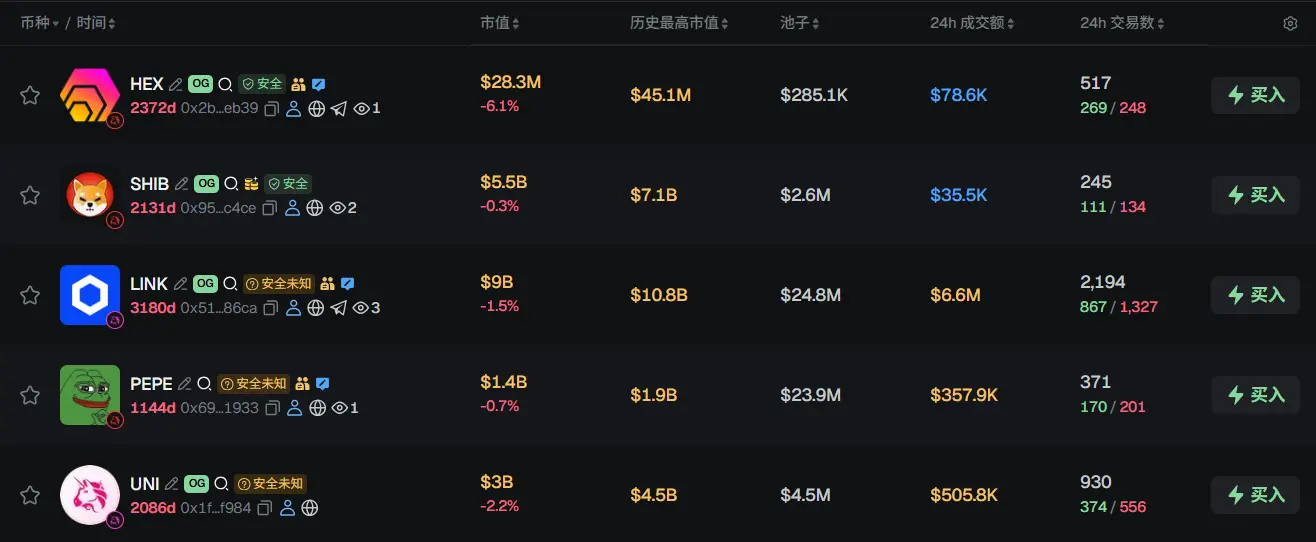
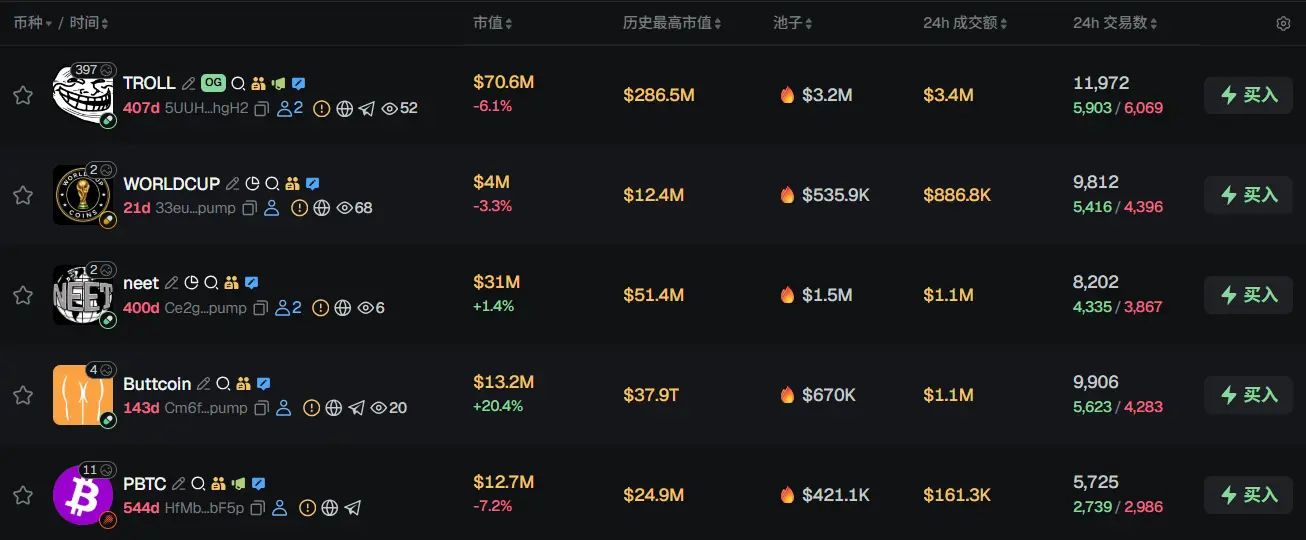
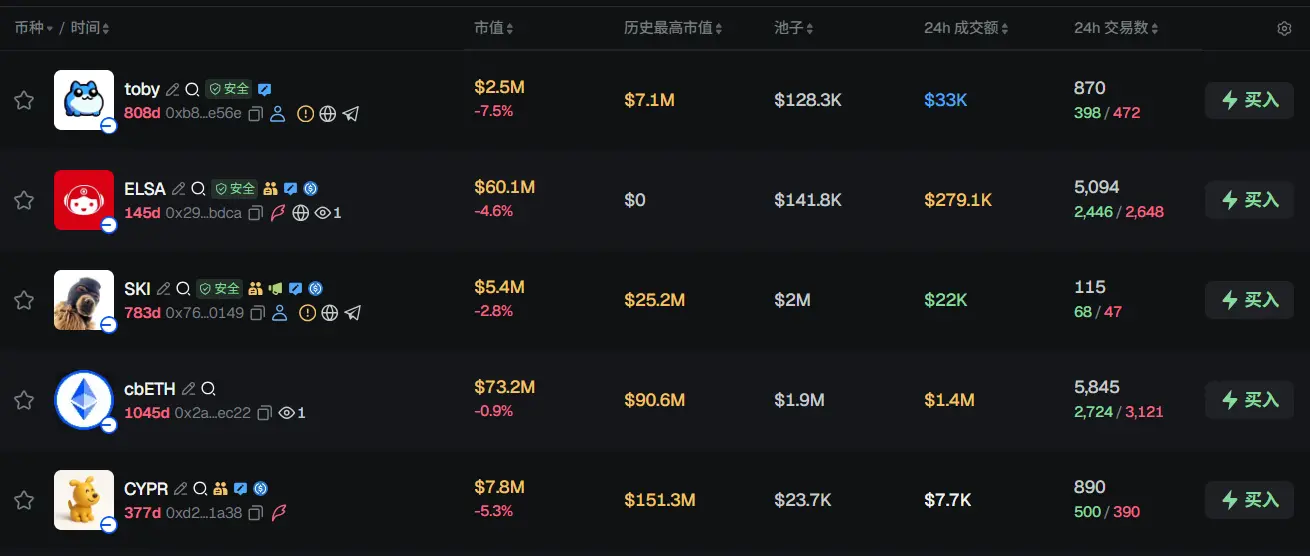
According to the meme token tracking and analysis platform GMGN, as of June 2, 09:00,
The top five popular tokens in ETH over the past 24 hours are: HEX, SHIB, LINK, PEPE, UNI
The top five popular tokens in Solana over the past 24 hours are: TROLL, WORLDCUP, neet, Buttcoin, PBTC
The top five popular tokens in Base over the past 24 hours are: toby, ELSA, SKI, cbETH, CYPR
What are some interesting articles to read in the past 24 hours?
BIS latest research: The future of stablecoins and the global currency landscape
With the rapid development of global digital finance, stablecoins have evolved from niche tools in the crypto space to new digital assets with cross-border payment and value storage functions, profoundly impacting the international currency landscape. In May 2026, the Bank for International Settlements (BIS) released Working Paper No. 170, systematically analyzing the development characteristics, operational mechanisms of stablecoins, their impact on the international monetary system, and proposing three future scenarios and regulatory ideas. The report believes that in the short term, stablecoins will reinforce the dominance of the dollar, posing risks to the monetary sovereignty of emerging markets and developing economies (EMDEs), while the long-term trajectory will depend on their adoption models, regulatory responses, and the synergy of the digital finance ecosystem.
Ultimately, Binance decides to enter the US stock market
Against the backdrop of the narrative around crypto-native assets gradually fading and liquidity continuing to shrink, leading exchanges need new growth stories to maintain platform valuations and market positions. Accessing the massive US stock market is currently the most ready and persuasive answer.
Fidelity Mid-Year Review: Six Key Trends in Digital Assets for 2026
Mid-year is a good checkpoint for investors to assess how market dynamics have changed and whether initial judgments still hold.
In the "2026 Outlook," the Fidelity Digital Assets research team believes that this year's key is not an immediate price increase, but a more subtle dynamic, namely the structural "remodeling" of the entire digital asset ecosystem. Although price performance has been occasionally flat and fluctuating this year, a closer look reveals that several underlying trends are continuously advancing.
This article summarizes the progress of several key themes from the "2026 Outlook," pointing out which of our judgments have been validated, which have diverged, and what these changes may mean for the future.
 Risk warning

Popular articles