Daily Observation of Cryptocurrency Concept Stocks: BTC Drops to $61,300 - Charles Schwab Analyst's "Momentum Loss" Theory is More Worrisome than Saylor's AI Rotation Argument

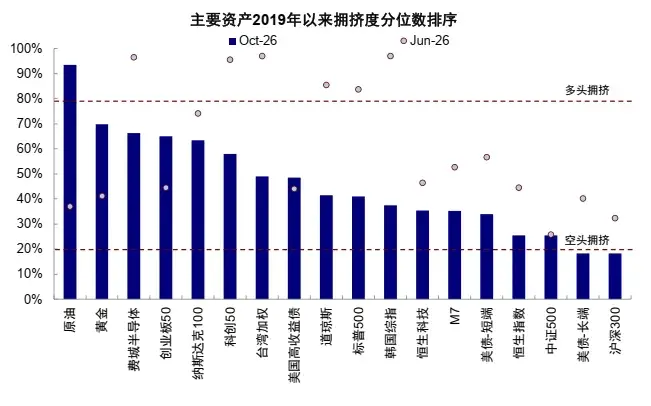
 Released on June 5, 2026. Bitcoin has fallen from a recent high of $82,500 on May 6 to $61,300 yesterday, a decline of about 26% over three weeks, with ETF funds experiencing a net outflow of $4.4 billion over 13 consecutive days. Two explanatory frameworks are circulating in the market: Saylor, the founder of Strategy, characterizes this as a "temporary loss of favor due to AI rotation"; meanwhile, according to crypto.news, an analyst from The Charles Schwab Corporation (NYSE: $SCHW) has raised more structural concerns—Bitcoin is losing to gold, AI stocks, and the "momentum competition" of large IPOs, which is not a rotation but a reordering of narrative priorities. These two interpretations correspond to two entirely different valuation paths, making it crucial for investors holding cryptocurrency concept stocks to clarify this distinction.
Two Interpretative Frameworks: Rotation vs. Narrative Competition
According to CoinMarketCap's report on June 4, Saylor attributed the decline of Bitcoin to a "phase rotation" of capital towards AI assets and IPOs, believing this to be a normal rhythm switch of momentum trading, rather than an issue with Bitcoin's fundamentals. Saylor's framework implies an assumption: the funds will return. Once the SpaceX IPO is completed and the heat of AI stocks fades, the capital that originally flowed out will flow back into BTC. This is a pattern that has indeed recurred historically—short-term disturbances from macro variables such as gold, oil prices, and interest rates typically dissipate within 4 to 8 weeks, and funds return to Bitcoin. However, according to a report from crypto.news citing an analyst from Charles Schwab, another interpretation was provided: Bitcoin did not lose to "rotation," but rather to "narrative competition"—when AI stocks offer a growth story supported by real profits, the SpaceX IPO provides a tangible imagination of the space economy, and gold serves as a traditional tool for geopolitical hedging, the narrative of Bitcoin as a "scarce value store" that drives capital allocation has relatively diminished in competitiveness in the short term. This is not rotation, but rather in an environment where legislative uncertainty around the CLARITY Act persists and macro interest rates remain high, Bitcoin's narrative premium relative to competing assets is compressed.
Schwab's Contradictory Situation: A Company Selling Crypto Products, Analysts are Bearish
The background of this analytical framework is worth noting: Charles Schwab (NYSE: $SCHW) officially launched the Schwab Crypto platform on May 17, opening Bitcoin and Ethereum spot trading to approximately 39 million active brokerage account clients at a fee rate of 75 basis points, with compliance custody provided by Paxos. In other words, Schwab is currently one of the largest single retail distribution channels for crypto globally, yet its internal analysts are publicly expressing concerns about Bitcoin's short-term narrative competitiveness. This internal divergence itself is a signal: even traditional financial institutions that have heavily invested in the crypto space have significant disagreements regarding Bitcoin's short-term trends—institutional consensus is far from being formed.
ETF Experiences 13 Consecutive Days of Net Outflows: Structural Deallocation or Technical Stop-Loss
The U.S. Bitcoin spot ETF has recorded net outflows for 13 consecutive trading days, totaling approximately $4.4 billion as of June 4, surpassing all previous historical records; during the same period, Bitcoin's price fell from about $82,500 (May 6) to $61,300 (June 4), a decline of about 26%, completely reversing all gains since mid-May. Historically, when ETF net outflows exceed 10 days, it often indicates a combination of technical deleveraging (stop-loss, rebalancing, options gamma hedging) and fundamental repricing—the former is short-term, while the latter may persist for months. The key indicator to distinguish between the two is whether the average daily net outflow of IBIT begins to narrow on days 10 to 13 (indicating the end of stop-loss pressure) or continues to expand (indicating systemic deallocation). According to a report from CoinDesk, traders loaded up on $60,000 puts—this indicates that the market is pricing in further declines rather than actively building positions around $61,300, suggesting that short-term support is not solid.
SpaceX IPO (June 12) is the Most Important Market Liquidity Variable This Month
In the same week that BTC plummeted, SpaceX is set to officially list on Nasdaq on June 12 at $135 per share, with a valuation of approximately $1.75 trillion (ticker $SPCX). This IPO plans to issue 555,555,555 shares, raising about $75 billion, and if successful, will surpass Saudi Aramco's $29.4 billion in 2019 to become the largest IPO in history. SpaceX is the most direct reference for Saylor's "AI/IPO rotation theory"—if SpaceX's stock performs strongly after the IPO, it will continue to attract market attention and capital inflow in the short term, potentially delaying the narrative repair window for BTC until after the IPO heat fades. Conversely, if SpaceX's listing sees overpricing or a drop below the offering price, the "IPO siphoning effect" will quickly dissipate, combined with the rising expectations of Fed rate cuts due to lower-than-expected non-farm employment at the end of May, BTC is likely to quickly regain its pricing logic. In this context, the final outcome of the CLARITY Act with 60 votes in the Senate remains the most important single policy variable for crypto concept stocks this year—JPMorgan's warning suggests that the legislative window may close faster than previously anticipated.
Data source: https://bbx.com/ Crypto concept stock information database, compiled based on yesterday's announcements from global listed companies and SEC/TSE disclosure documents.
 Risk warning