BTC $84,202.34 -0.59%
ETH $2,670.84 -1.16%
BNB $778.31 +0.83%
XRP $1.50 -1.97%
SOL $114.96 +0.47%
TRX $0.3400 -0.12%
DOGE $0.0943 -1.59%
ADA $0.2436 +1.54%
BCH $339.09 -1.47%
LINK $12.53 +1.08%
HYPE $92.32 -1.19%
AAVE $142.34 +0.13%
SUI $1.00 +2.06%
XLM $0.2047 -0.58%
ZEC $1,512.91 -4.32%
AAPL $337.67 +0.18%
AMZN $246.11 -1.04%
GOOGL $338.90 -0.48%
MSFT $493.11 -0.90%
META $760.12 +2.10%
NVDA $222.25 -1.51%
TSLA $378.20 -0.72%
SNDK $1,782.05 -2.97%
INTC $124.07 +3.35%
SPCX $147.47 -3.46%
MU $1,051.19 -2.51%
AMD $615.02 +0.83%
BTC $84,202.34 -0.59%
ETH $2,670.84 -1.16%
BNB $778.31 +0.83%
XRP $1.50 -1.97%
SOL $114.96 +0.47%
TRX $0.3400 -0.12%
DOGE $0.0943 -1.59%
ADA $0.2436 +1.54%
BCH $339.09 -1.47%
LINK $12.53 +1.08%
HYPE $92.32 -1.19%
AAVE $142.34 +0.13%
SUI $1.00 +2.06%
XLM $0.2047 -0.58%
ZEC $1,512.91 -4.32%
AAPL $337.67 +0.18%
AMZN $246.11 -1.04%
GOOGL $338.90 -0.48%
MSFT $493.11 -0.90%
META $760.12 +2.10%
NVDA $222.25 -1.51%
TSLA $378.20 -0.72%
SNDK $1,782.05 -2.97%
INTC $124.07 +3.35%
SPCX $147.47 -3.46%
MU $1,051.19 -2.51%
AMD $615.02 +0.83%

stark

All
Article
Flash

first_img StarkWare stated that the cost of quantum-safe Bitcoin transactions has decreased to 67 USD, a reduction of approximately 79%

StarkWare stated in an update on September 23 that the estimated GPU computing cost for preparing a quantum secure Bitcoin (QSB) transaction has dropped to below $67, a decrease of about 79% compared to the approximately $320 computing expenditure for the first similar mainnet transaction in August. According to StarkWare, the first QSB transaction was packaged and confirmed on August 26, with the engineering work completed by Tomer Giladi, and submitted directly through MARA's Slipstream service. The preparation process consumed about 3100 GPU hours, utilized around 100 GPUs, and incurred a computing cost of approximately $320, excluding Bitcoin network transaction fees.This cost reduction resulted from the quantum secure Bitcoin optimization challenge initiated on September 16 by StarkWare, Yukon Research, and Eigen Labs. The challenge invited developers, researchers, and AI agents to optimize transaction construction software, ultimately resulting in 62 adopted improvements across two computational tasks required to prepare a QSB transaction, with benchmark tests showing an estimated computing cost reduction of about 79%. The relevant dashboard currently indicates that the estimated cost has further decreased to $66.The QSB proposal was released by StarkWare researcher Avihu Levy in April, introducing hash-based quantum attack protection for transactions without altering Bitcoin's consensus rules. Due to limited cost, complexity, and applicability, he described it at the time as an emergency measure while continuing to advocate for adjustments at the protocol level.

Starknet completes quantum-resistant signature transfer testing, exploring wallet upgrade paths that do not require migration

Starknet announced that it has completed the quantum-resistant signature transfer test, where a wallet account using a quantum-resistant signature mechanism completed a real transfer on the Starknet mainnet, with a transaction fee of about 6 cents, and can be queried through the block explorer. This account is currently an experimental, unaudited version, mainly used for research testing. StarkWare stated that this transfer benefits from the design of the Starknet account model.Unlike most blockchains that fix the signature algorithm at the protocol layer, each account on Starknet is a smart contract that can autonomously define the accepted signature schemes, allowing users to upgrade their wallets from traditional elliptic curve signatures to quantum-resistant signatures without hard forks, asset migrations, or changing addresses. StarkWare pointed out that most blockchains face quantum computing risks because wallet signatures and underlying verification systems rely on elliptic curve cryptography. Once large-scale quantum computers appear, running Shor's algorithm could potentially break the related encryption systems. Currently, the Starknet ecosystem supports a quantum-resistant signature scheme based on Falcon-512, which is part of the NIST post-quantum cryptography standardization process, with relevant implementations promoted by ecosystem teams and organizations such as OpenZeppelin.

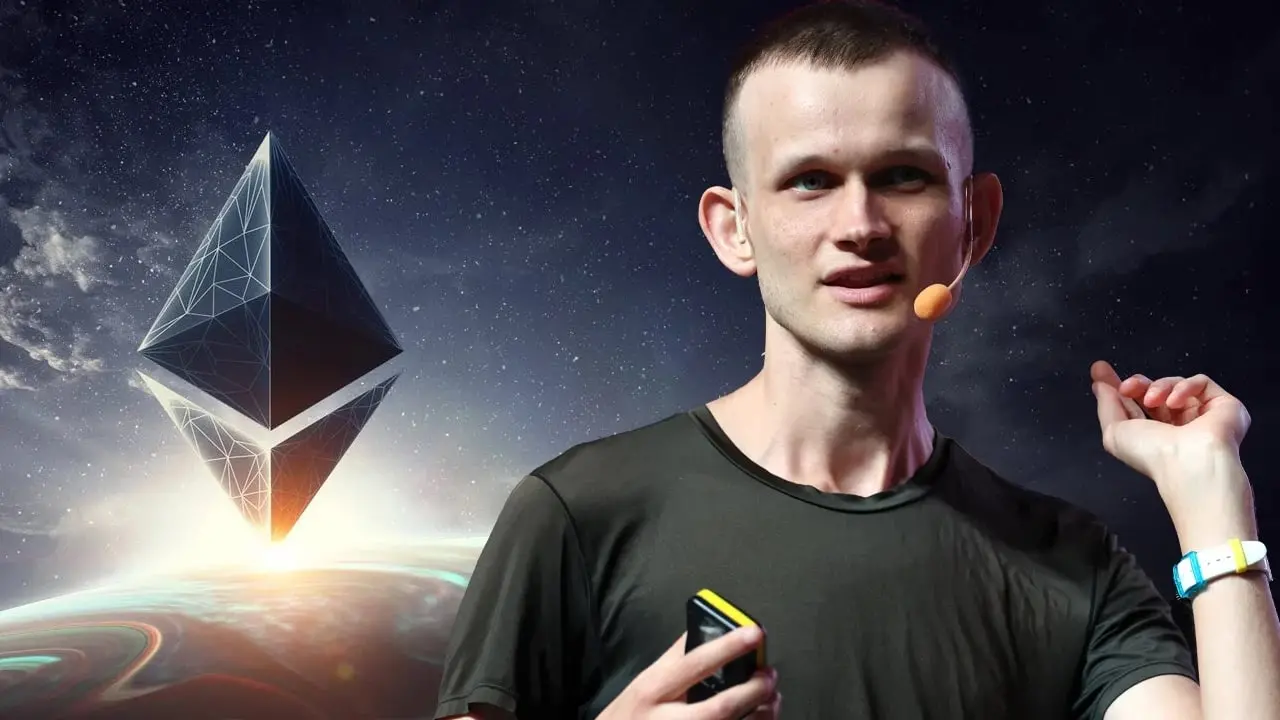
Vitalik proposed the "extremely simplified chain" solution, where validators submit STARK proofs daily, and the state storage is compressed to 6 bytes

Ethereum co-founder Vitalik Buterin published the proposal "The Extremely Lean Chain," demonstrating how to radically compress the state requirements of the Ethereum consensus chain in the context of the "Lean" upgrade. This plan shifts responsibility to validators, who manage and periodically prove their state through ZK proofs, thereby eliminating the processing burden for each epoch and potentially supporting millions of validators.The core mechanisms include: removing the validator public keys from the on-chain state, storing only the deposit tree index; canceling real-time reward and penalty processing, with validators generating daily STARK proofs of their participation and updating balances; completely re-randomizing validator identities daily, achieving strong anonymity through ZK-STARK, with withdrawal addresses exposed only at the time of withdrawal and not publicly linked to deposits or on-chain activities. Vitalik stated that based on upgrades such as single-slot finality and quantum-resistant signature aggregation, the state requirement per validator could be compressed from approximately 180 bytes to 6 bytes. The daily proof cost for a single validator requires processing about 5400 Merkle branches, which can be completed within 1 hour on ordinary hardware, and the on-chain burden can be reduced through aggregated proofs. Additionally, this design can achieve a "virtually free" single secret leader election function, with 1 day as the conservative cycle length and 1 hour as the lower limit.
app_icon
ChainCatcher Building the Web3 world with innovations.