BTC $82,116.34 +0.34%
ETH $2,432.29 -0.36%
BNB $730.20 -0.10%
XRP $1.34 +0.11%
SOL $105.69 +0.85%
TRX $0.3315 -0.68%
DOGE $0.0809 -2.26%
ADA $0.2291 -0.40%
BCH $275.29 +1.66%
LINK $12.43 -1.08%
HYPE $81.02 +1.25%
AAVE $155.49 -1.36%
SUI $1.02 -0.49%
XLM $0.1843 +0.30%
ZEC $1,188.99 +1.94%
AAPL $344.27 -0.16%
AMZN $253.62 -0.35%
GOOGL $348.16 -0.86%
MSFT $540.24 +0.59%
META $732.65 -0.74%
NVDA $217.12 -2.38%
TSLA $360.43 -1.67%
SNDK $1,347.24 -5.12%
INTC $93.89 -5.50%
SPCX $146.19 -4.92%
MU $909.20 -2.23%
AMD $546.77 -4.44%
BTC $82,116.34 +0.34%
ETH $2,432.29 -0.36%
BNB $730.20 -0.10%
XRP $1.34 +0.11%
SOL $105.69 +0.85%
TRX $0.3315 -0.68%
DOGE $0.0809 -2.26%
ADA $0.2291 -0.40%
BCH $275.29 +1.66%
LINK $12.43 -1.08%
HYPE $81.02 +1.25%
AAVE $155.49 -1.36%
SUI $1.02 -0.49%
XLM $0.1843 +0.30%
ZEC $1,188.99 +1.94%
AAPL $344.27 -0.16%
AMZN $253.62 -0.35%
GOOGL $348.16 -0.86%
MSFT $540.24 +0.59%
META $732.65 -0.74%
NVDA $217.12 -2.38%
TSLA $360.43 -1.67%
SNDK $1,347.24 -5.12%
INTC $93.89 -5.50%
SPCX $146.19 -4.92%
MU $909.20 -2.23%
AMD $546.77 -4.44%

rag

All
Article
Flash

JPMorgan warned that AI stocks are hard to replicate the rebound in July, and leverage risks are rising

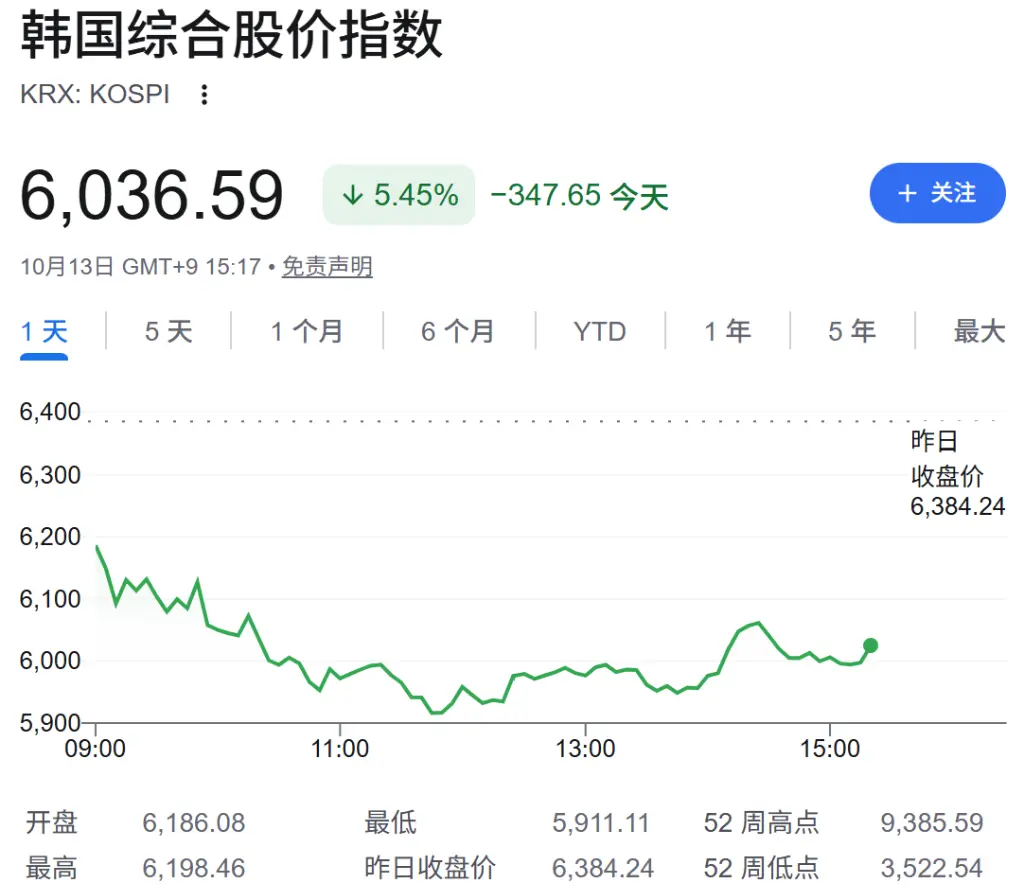
J.P. Morgan strategist Nikolaos Panigirtzoglou pointed out that the AI stock sell-off in October may be difficult to replicate the rapid rebound seen in July. Compared to before, the current market's willingness to buy on dips has weakened, short positions are insufficient to provide potential short-covering buying, corporate buyback funds are also decreasing, and at the same time, leveraged exposure in ETFs is being rebuilt, which may further amplify market volatility. J.P. Morgan believes that, based on investor positioning and capital flows, AI infrastructure stocks do not yet appear to be in an oversold state.This round of sell-off has spread from South Korean memory chip stocks to the U.S. semiconductor sector. SK Hynix and Samsung Electronics have both seen their stock prices drop by nearly one-third over the past month, and the Philadelphia Semiconductor Index has fallen 10% over the last five trading days. Additionally, the combined $40 billion stock buyback plan previously announced by the two companies was completed ahead of schedule in mid-October, which may have caused the market to lose some of the buying support brought by corporate buybacks.Meanwhile, BlackRock CEO Larry Fink warned that if the U.S. halts data center construction, the economy could fall into recession. He stated that a significant portion of U.S. economic growth is related to capital expenditures in AI infrastructure. As market concerns deepen regarding the return on AI investments and corporate profitability, price adjustments in the AI supply chain could also impact data center construction, energy infrastructure, and related employment sectors.

first_img The shortage of storage chips impacts the smartphone market, with shipments in the third quarter hitting a 14-year low for the same period

Financial Associated Press reported on October 12, citing market research firm Counterpoint Research, that the ongoing construction of artificial intelligence infrastructure continues to squeeze the supply of storage chips, putting pressure on costs and supply in consumer electronics. Preliminary data shows that global smartphone shipments in the third quarter of 2026 are expected to decline by 20% year-on-year, reaching the lowest level for the same period since 2012. The storage chip crisis has impacted the smartphone market for the second consecutive quarter, with rising chip costs increasing the overall bill of materials, leading manufacturers to raise retail prices. Since 2026, global smartphone retail prices have cumulatively increased by about 20%.Samsung remains the global leader, with its market share rising to 23% in the third quarter, although shipments declined by 3% year-on-year, marking the largest share increase among major manufacturers. Apple's share rose to 22%, marking its first time surpassing 20% in the third quarter, but shipments declined year-on-year. The absence of the base model iPhone 18 this year resulted in a lower channel distribution scale in the first month of new product launches compared to the previous year's iPhone 17 series. The iPhone 18 Pro series performed better than its predecessor in China and India.Xiaomi's shipments in the third quarter declined by over 30% year-on-year, with its market share dropping to 10%. Both OPPO and vivo saw their shipments decline by over 20% year-on-year, with shares falling to 9% and 8%, respectively. Counterpoint senior analyst Shilpi Jain stated that consumers are holding onto their existing devices for longer and are considering more refurbished devices. Counterpoint indicated that global smartphone shipments are unlikely to see a significant recovery before improvements in storage chip costs and supply.

IMF: The market size of tokenized RWA is approximately 65 billion USD, which may become a new channel for leverage accumulation and liquidity risk

The International Monetary Fund (IMF) released the October "Global Financial Stability Report," which for the first time discusses the tokenized market in a dedicated chapter. The report shows that as of the end of July, the public market size of tokenized Real World Assets (RWA), excluding repos and stablecoins, is approximately $65 billion, with credit accounting for about $30.4 billion, money market funds about $17.5 billion, and stocks about $2.3 billion. The average daily trading volume of tokenized repos over 30 days reached $303 billion.The report states that the issuance of tokenized stocks is highly concentrated, with Ondo Finance and Backed Finance (xStocks) together accounting for over 70%. More than 50% of trades occur outside regular trading hours for U.S. stocks, with about 80% of trade sizes being less than one share, volatility being about 1.5 times that of traditional markets, and liquidity being significantly lower.The IMF believes that while the scale of tokenized assets is small, it may bring efficiency improvements in multiple areas, but it could also create new channels for leverage accumulation and liquidity and maturity mismatches, exacerbating technological and infrastructure risks, with current systemic risks remaining limited. The IMF also pointed out that in the absence of interoperable central bank currencies, stablecoins and tokenized deposits may become the main settlement tools in the tokenized capital market, leading to issuer credit risk and concentration risk.

first_img Binance VIP Head: Traditional hedge funds are actively exploring arbitrage opportunities on cryptocurrency platforms

Catherine Chen, the head of VIP and institutional business at Binance, stated in an interview with The Block during Token2049 that traditional hedge funds, which previously took a wait-and-see approach, are now showing a stronger interest due to the emergence of arbitrage opportunities related to traditional financial instruments such as cash stocks and perpetual contracts on crypto platforms.She pointed out that the improvement in market depth, combined with 24/7 trading and weekend price discovery mechanisms, makes these opportunities more realistic. She also mentioned that when the same tools are offered on second- and third-tier platforms or in DeFi venues, liquidity often falls short of hedge funds' needs. However, she emphasized that this process is still in its early stages and does not expect a surge in capital inflows overnight, with the next 12 to 18 months being worth close attention.Similar changes are happening on the other side of the market. Chen indicated that their crypto-native clients are incorporating more tools linked to traditional financial products to build hybrid investment portfolios. The data she cited showed that the scale of Binance's cash stock assets has increased from about $800 million to $900 million to $1.4 billion, while the trading volume of traditional financial perpetual contracts has risen from about $20 billion to $30 billion per month when launched at the beginning of this year to about $400 billion every 30 days. She believes that tokenization and cross-asset trading are still in their early stages, and regulatory clarity will determine the ultimate integration of traditional and crypto trading more than the product offerings of a single platform.
app_icon
ChainCatcher Building the Web3 world with innovations.