BTC $80,052.13 -0.49%
ETH $2,317.23 -0.86%
BNB $743.00 +0.57%
XRP $1.30 +0.15%
SOL $101.78 +0.59%
TRX $0.3305 +0.53%
DOGE $0.0775 +0.72%
ADA $0.2056 +0.50%
BCH $277.30 +1.33%
LINK $11.52 +1.19%
HYPE $77.79 +1.45%
AAVE $137.19 +0.94%
SUI $0.9156 +0.41%
XLM $0.1696 +0.48%
ZEC $1,240.29 +2.75%
AAPL $347.14 +0.10%
AMZN $250.63 +0.55%
GOOGL $321.87 +0.09%
MSFT $531.27 +1.42%
META $646.91 +0.69%
NVDA $217.41 +2.17%
TSLA $396.57 +6.61%
SNDK $1,260.58 +1.05%
INTC $89.57 +2.72%
SPCX $148.63 +0.05%
MU $904.08 +1.40%
AMD $526.48 +0.77%

vertu

All
Article
Flash

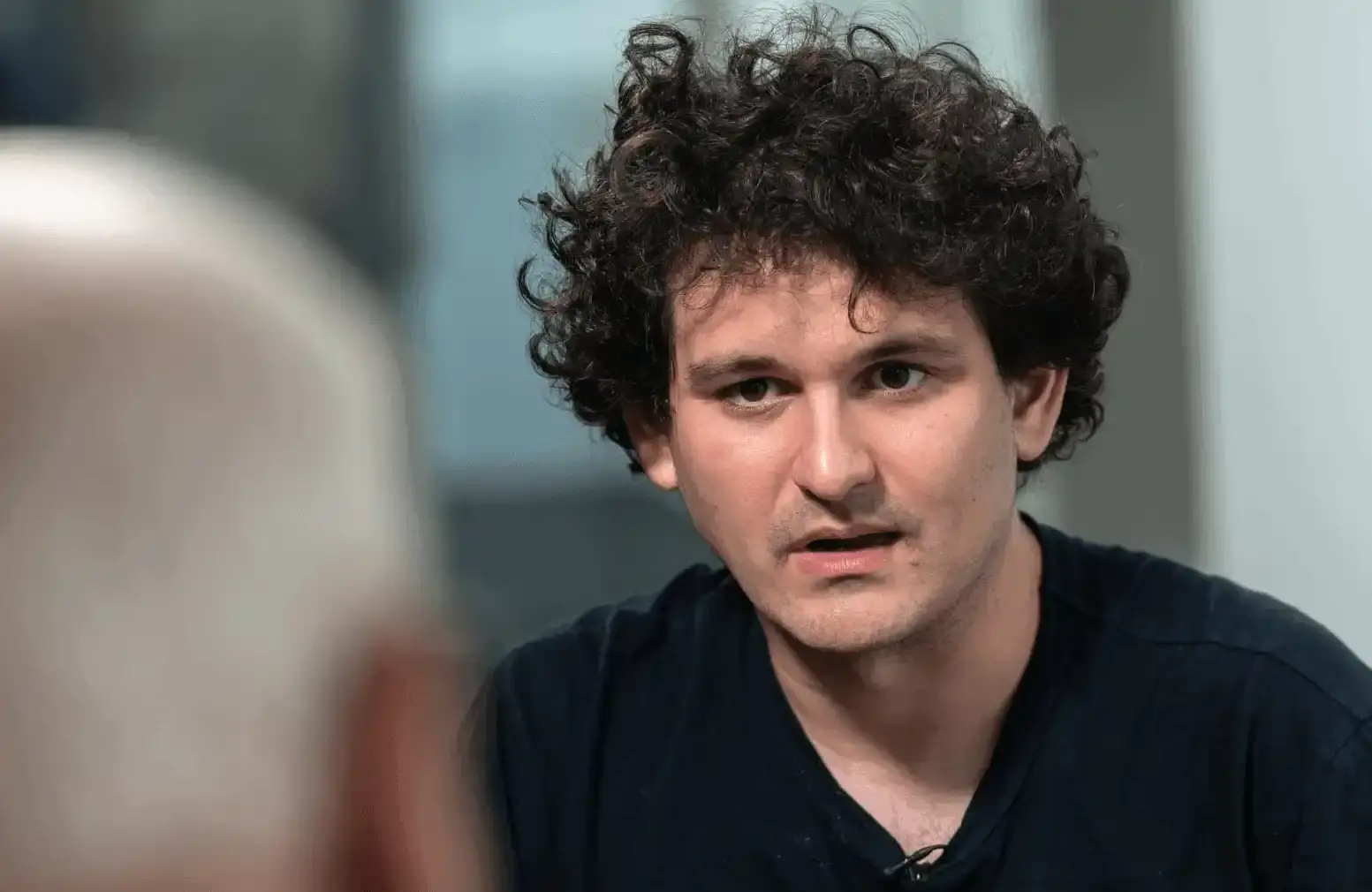
first_img SBF applied to the U.S. Supreme Court for a rehearing, seeking to overturn the $11 billion forfeiture order

The founder of FTX, Sam Bankman-Fried (SBF), has submitted a petition to the U.S. Supreme Court, requesting to overturn his fraud conviction and revoke the $11 billion forfeiture order. According to CNN, the petition was filed on September 10 local time, led by Alexandra A.E. Shapiro from the law firm Shapiro, Arato, Bach. SBF is currently serving a 25-year prison sentence.The petition raises two core legal issues: first, when can the trial court admit evidence showing whether victims suffered losses, in cases where the prosecution uses a "fraudulent inducement" theory, meaning that it is irrelevant whether the victims suffered economic losses; second, does the Eighth Amendment of the U.S. Constitution allow for forfeiture or other criminal fines that destroy the defendant's future livelihood prospects? The defense argues that the trial court allowed the prosecution to imply that clients suffered massive losses while prohibiting the defense from presenting evidence that clients have been compensated, which constitutes an error.The defense claims that although FTX and Alameda faced liquidity issues at one point, they always held sufficient assets to ultimately pay back investors and clients, and clients have now been repaid with both principal and interest. In 2023, SBF was convicted of multiple counts of fraud and money laundering, and in 2024, he was sentenced to 25 years in prison and ordered to forfeit $11 billion. In June of this year, a panel of the U.S. Second Circuit Court of Appeals upheld the original ruling. The Supreme Court is expected to decide later this year whether to hear the case.

UBS: If Trump's tariffs are overturned, the Federal Reserve may have the opportunity to cut interest rates as U.S. fiscal pressure mounts

UBS Group analysts pointed out that if the U.S. Supreme Court rules that Trump's tariff policy is illegal, it is expected to force the U.S. government to refund about $140 billion in taxes to importers, equivalent to 7.9% of the estimated federal budget deficit for fiscal year 2025. Once the U.S. government loses the case, the massive tax refunds will immediately trigger a fiscal shock, and may lead to the formation of a structurally low-tariff trade environment. If trade partners do not retaliate, this environment will ultimately benefit the U.S. economy and stock market. UBS estimates that the government is likely to use legal tools such as Section 201 and Section 301 of the Trade Act of 1974 to rebuild tariff barriers, but this process will take several quarters and lead to a decrease in trade policy flexibility.Although refunds will bring unexpected windfalls to import businesses, the impact on the overall market may be limited since tariff costs have not significantly lowered the earnings expectations of the S&P 500 index. UBS believes that the ruling may ultimately lower the overall effective tariff rate, enhance household purchasing power, alleviate inflationary pressures, and provide the Federal Reserve with more room for easing interest rates. As long as trade partners avoid escalating retaliatory measures, this will generally be welcomed by stock market investors.
app_icon
ChainCatcher Building the Web3 world with innovations.