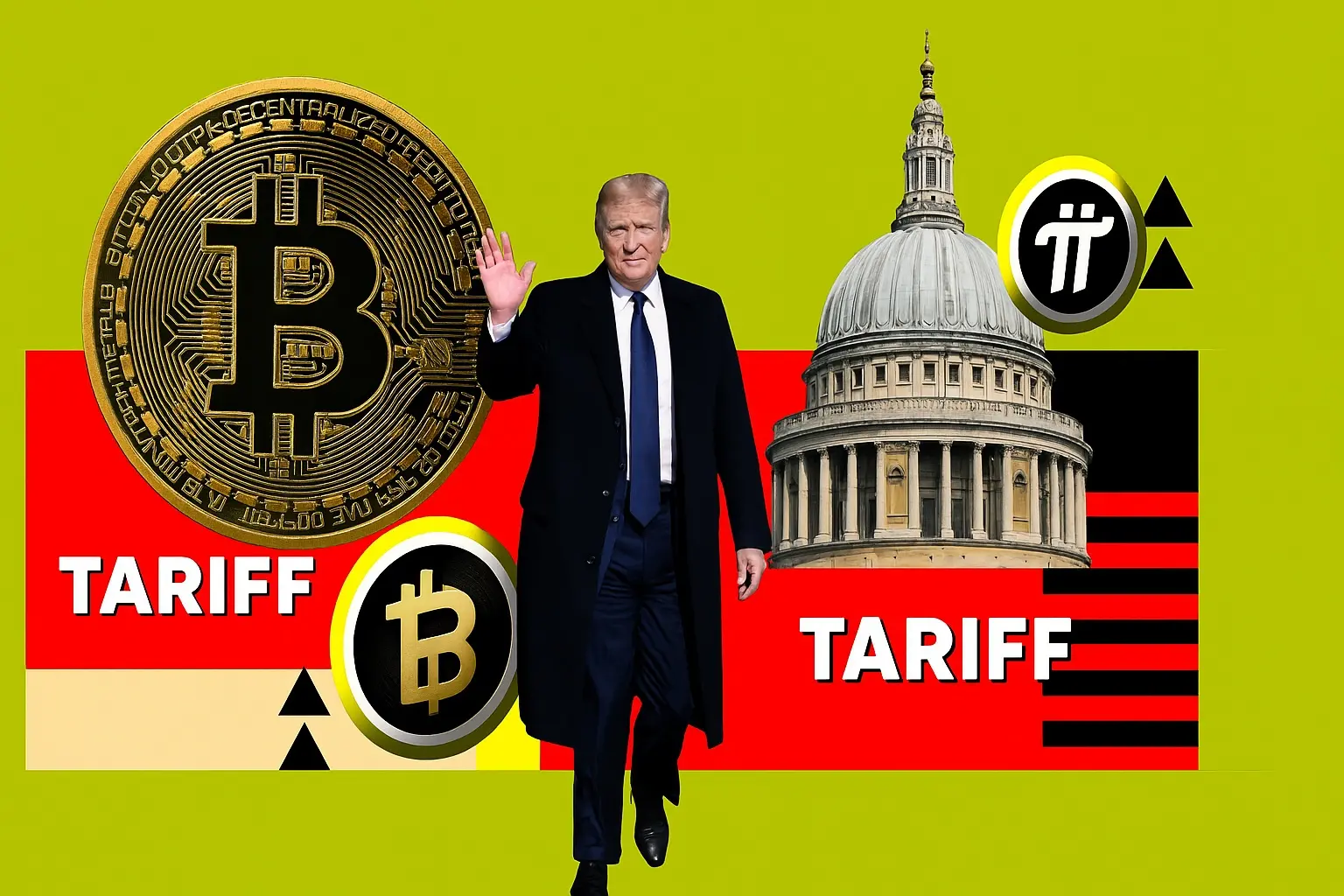
Breaking news! Trump may announce BTC as a strategic reserve asset for the U.S. at the Bitcoin conference next week

 It is reported that former U.S. President Donald Trump is expected to make a groundbreaking statement at the 2024 Bitcoin Conference next week. Industry insiders reveal that the former president may plan to designate Bitcoin (BTC) as a strategic reserve asset for the United States.
On July 19, 2024, it was reported that former U.S. President Donald Trump is expected to make a groundbreaking statement at the 2024 Bitcoin Conference next week. Industry insiders revealed that the former president may plan to designate Bitcoin (BTC) as a strategic reserve asset for the United States. However, these claims have not been confirmed by Trump or his staff, and there is currently no official confirmation.
The 2024 Bitcoin Conference is scheduled to take place next week (July 25-27) in Nashville, Tennessee, and Trump himself will attend the conference and deliver a speech on the 27th.
Simon Dixon, founder of BnkToTheFuture, and Dennis Porter, co-founder of the Satoshi Action Fund, both cited reliable sources and shared this rumor on social media.

Dennis Porter, co-founder of the Satoshi Action Fund and also a conference attendee, stated on social media that the most likely path for Bitcoin to become a strategic reserve asset for the U.S. is to become part of the U.S. Treasury's Exchange Stabilization Fund (ESF).

Below are Dennis Porter's detailed views on "How to use the Exchange Stabilization Fund to make Bitcoin a strategic reserve for the U.S.?"
Designating Bitcoin as a strategic reserve would be a decisive victory for both the U.S. and Bitcoin, but some may ask, "How can this be achieved?" The most obvious method is through the U.S. Treasury's Exchange Stabilization Fund (ESF).
Introduction to the Exchange Stabilization Fund (ESF)
The Exchange Stabilization Fund is a special fund operated by the U.S. Treasury. It was established under the Gold Reserve Act of 1934, primarily to stabilize the value of the dollar. The ESF provides the Treasury with a tool to influence exchange rates and promote stability in the foreign exchange market through currency and gold operations. (Keep in mind that Bitcoin is essentially considered a foreign currency.)
Key functions of the ESF:
Foreign Exchange Intervention: The ESF can buy and sell foreign currencies and gold (Bitcoin?) to influence the value of the dollar. This is typically coordinated with the Federal Reserve to ensure alignment with broader monetary policy goals. Interventions can occur in the spot market (immediate delivery) or the forward market (future delivery).
Stabilizing the Dollar: By intervening in the foreign exchange market, the ESF aims to stabilize the value of the dollar against other currencies. This helps prevent or mitigate exchange rate fluctuations that could negatively impact international trade and financial stability.
Emergency Financial Operations: The ESF can provide emergency financial support in certain situations, such as financial crises or to support specific government fiscal commitments.
How to Add Bitcoin to the ESF?
Integrating Bitcoin into the ESF would be a novel attempt, given Bitcoin's unique structure relative to traditional currencies and commodities. Here are possible methods:
Holding Bitcoin as a Reserve Asset: The ESF could begin to hold Bitcoin as part of its reserve assets, similar to how it holds foreign currencies and gold. This would diversify the ESF's assets and provide a hedge against inflation and currency devaluation.
Bitcoin Intervention: The ESF could use Bitcoin for interventions to stabilize the dollar or other currencies. For example, it could buy and sell Bitcoin to influence its exchange rate against the dollar (they should just hold it). This is similar to its current foreign exchange and gold operations.
Providing Liquidity: During times of financial stress, the ESF could provide Bitcoin liquidity to the market or institutions in need, helping to stabilize financial conditions and support market confidence.
Policy Coordination: Integrating Bitcoin into the ESF would require close coordination with financial regulatory agencies to ensure a smooth and consistent process.
Additional Executive Orders: Halt the U.S. Marshals' auctions of seized Bitcoin and transfer $5.5 billion worth of Bitcoin to the Treasury's ESF. This may require an executive order. The benefit of this approach is that the U.S. would not need to purchase Bitcoin on the open market.
The path forward is clear, but it requires courage. If the U.S. can boldly lead, we will have a strategic Bitcoin advantage that can support the U.S. economy and the dollar for decades to come.
Record Audience and Revenue Expected at the Conference
Recently, foreign media reported that the organizers of the Bitcoin conference, which Trump will attend, are ramping up security measures in preparation for a record audience. Attendance is expected to exceed last year's approximately 12,000, potentially reaching 25,000 in 2022, setting a new record. Conference organizer Brandon Green stated that ticket sales have accelerated since Trump's attendance was announced, and the final audience size is expected to be between 20,000 and 45,000. This conference will provide unique collaboration opportunities for the Bitcoin industry and political figures.
Additionally, according to the Washington Post, one of the conference founders promised Trump that attending the conference could bring him $15 million in revenue. An invitation obtained by the media shows that Trump will hold a fundraising event during the conference. Supporters can pay $60,000 for a photo with Trump, $100,000 for a photo with two people, and $844,600 for a photo at the same table as Trump. According to U.S. campaign finance regulations, this is also the contribution limit for individuals or entities. Insiders revealed that Trump's running mate, Vance, will also attend the fundraising event as a special guest, with attendance expected to be limited to 100-150 people. These guests will also receive front-row seats at the Bitcoin conference to watch Trump's speech up close.
 Risk warning
 Risk warning


Popular articles