The Grim Reaper is the largest "buyer" of cryptocurrency
 Core Viewpoint

 Conservatively estimated, about 2 billion in cryptocurrency assets exit circulation each year due to lack of inheritance.
Original Title: The Biggest Buyer Of Crypto Is Death
Original Author: @PixOnChain, Crypto KOL
Original Compilation: Saoirse, Foresight News
People in the cryptocurrency space often say, "Not your keys, not your coins." This phrase sounds powerful, and it is indeed true. However, there is a mirrored logic hidden behind this statement—"Only your keys can own your cryptocurrency."
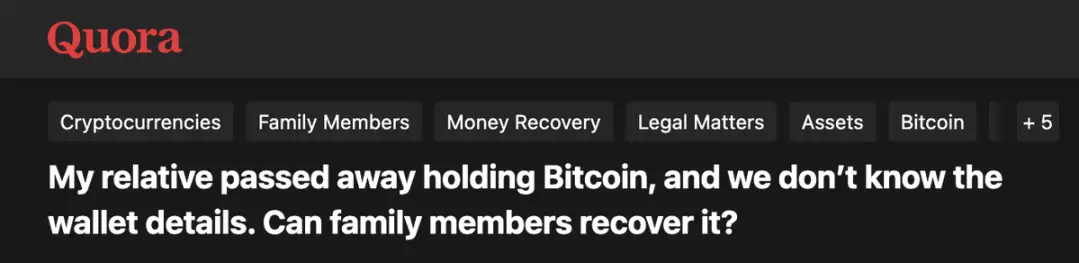
If no one else knows how to access your wallet, then at the moment you stop breathing, your cryptocurrency is essentially "non-existent." Of course, this does not mean it disappears in a literal sense—it still exists on the blockchain ledger, but from an economic perspective, it is no different from being burned.
So how big is this "death buyer"?
Today, most cryptocurrency holders are quite young, with the majority being in their late twenties to early forties.
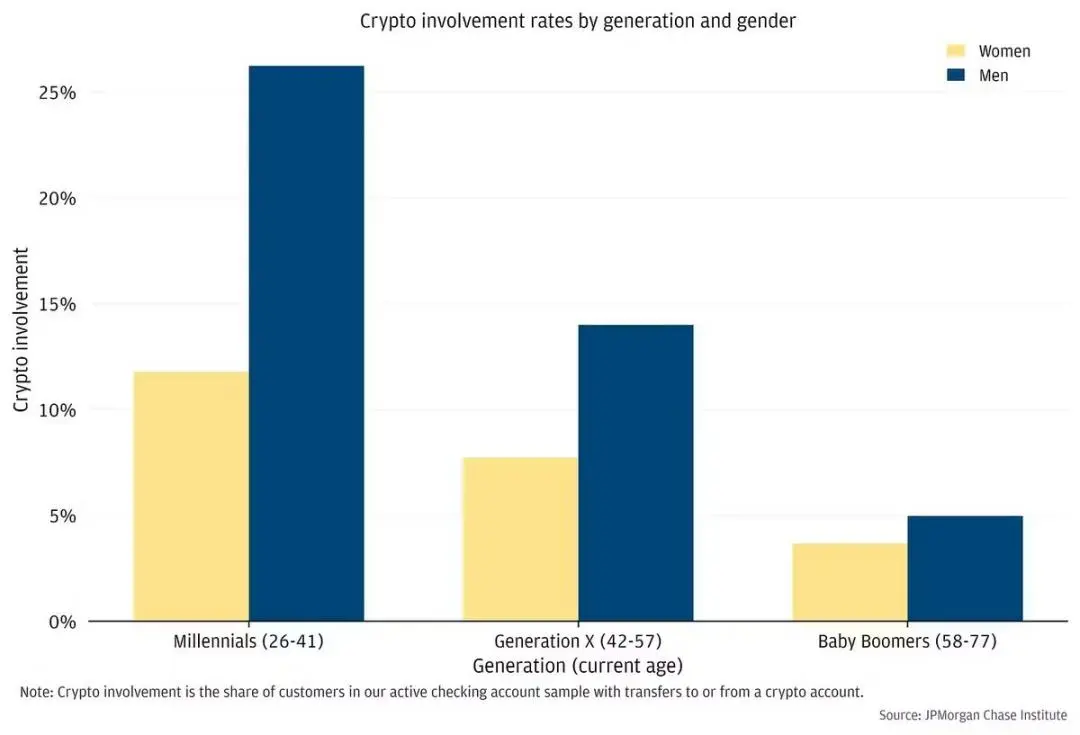
There are very few holders above retirement age, which makes the issue of "cryptocurrency loss due to death" easily overlooked. Nevertheless, the relevant data is still quite astonishing:
- Approximately 60 million people die globally each year (based on a total world population of about 8 billion);
- There are about 500 million cryptocurrency holders worldwide (equivalent to 1 in every 16 people holding cryptocurrency);
- Since cryptocurrency holders are younger than the global average population, their mortality rate is also lower, with a conservative estimate of an annual death rate of about 0.2%;
- Based on this calculation, approximately 1 million people (500 million × 0.2%) among the 500 million holders will pass away each year.
Currently, most cryptocurrencies are still held by individuals themselves, and holders rarely make estate planning for them. Even if only 10% of deceased holders have wallets that cannot be accessed due to unknown access methods, about 100,000 wallets will become inactive each year. If we conservatively assume that the average balance of these inactive wallets is only $20,000, then approximately $2 billion worth of cryptocurrency will exit circulation each year. Moreover, this number will continue to grow over time—after all, the younger generation will eventually age.

The percentage of cryptocurrency "destroyed" each year due to death
This leaves us with a key question: since the advantage of individuals holding cryptocurrency themselves is the removal of intermediaries, how can we pass on these assets without reintroducing intermediaries?
Inheriting assets that were not designed to be "inherited"
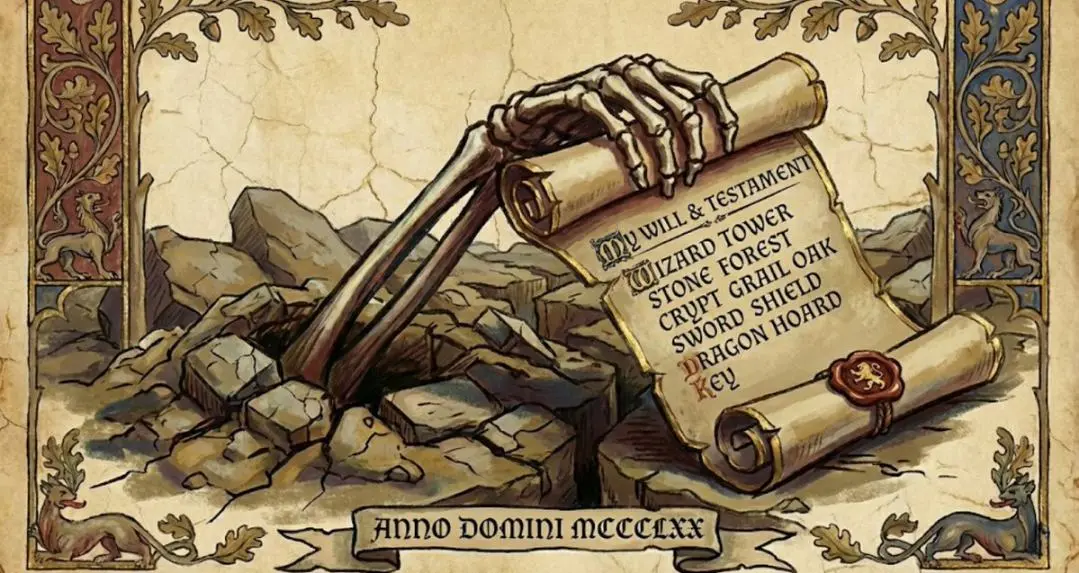
Currently, most solutions fall into two extremes: either simple but fragile, like storing mnemonic phrases in a bank safe (easy to lose, easy to steal); or secure but so complex that no one is willing to use them in practice. Both solutions are unsatisfactory, so I have adopted a compromise approach—a simple three-step inheritance method that is easy to remember, hard to crack, accessible anytime and anywhere, and ensures 100% non-custodial (i.e., no reliance on intermediaries). The specific steps are as follows:
Step 1: Build a dedicated single-page website
Create a single-page website using a "rare domain name" made up of 3-4 words—this type of domain is not easily typed into a search bar by ordinary people, but it should have special significance for you personally to aid your memory. Also, pay for website hosting for over 10 years in advance and set up automatic renewal to ensure long-term access to the site.
Step 2: Encrypt the mnemonic phrase into a numeric string
First, choose a book you like, find the most common publisher of that book, and purchase 10 copies (ensuring that the page numbers and formatting are exactly the same). Then convert your cryptocurrency wallet's mnemonic phrase into a numeric string one word at a time: for each word in the mnemonic, find its position in the book and record "page number - line number - position of the word in that line." For example, "112, 3, 5" represents "the 5th word in the 3rd line of page 112." Convert all mnemonic phrases into numeric strings using this method.
Step 3: Upload the numeric string to the dedicated website
Simply publish the converted numeric string in list form on your dedicated website, formatted as follows:
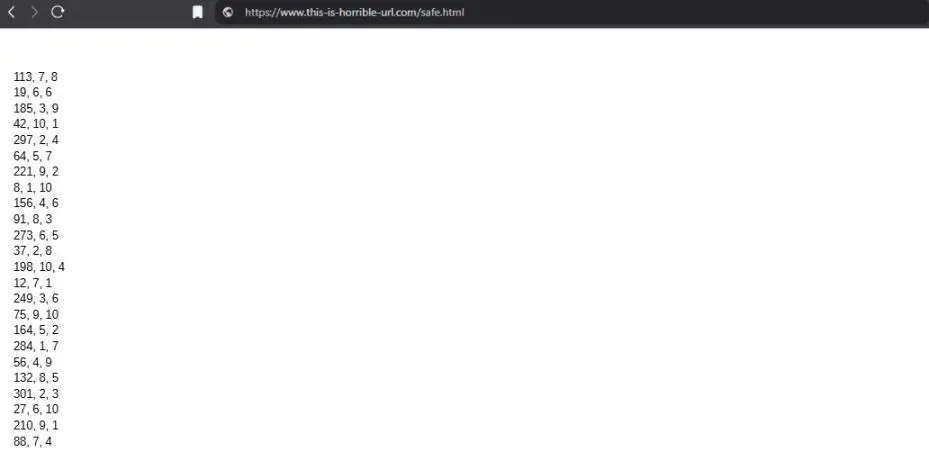
By the way, this is a real numeric string corresponding to a mnemonic phrase, linked to $500 worth of cryptocurrency. However, the website domain is fictional, and the real mnemonic is hidden in a certain book. Just a hint: I really love good detective novels, and I wish everyone "happy treasure hunting"~
I know this may sound a bit "over the top," and some might think it's unnecessary, but this method does indeed make asset inheritance more flexible while ensuring security. You can further enhance security, for example, by using rare books or printing copies of books to store the location information of the mnemonic; of course, you could also keep it simple—just put a hardware wallet (Ledger) and a metal plate engraved with the mnemonic in a safe. Otherwise, your cryptocurrency may ultimately only "donate" itself to the blockchain (i.e., become permanently non-circulating).
 Risk warning
 Risk warning


Popular articles