BIT Research: SpaceX is sprinting towards a trillion-dollar valuation; what exactly is the market paying for?

 From Martian narratives to AI infrastructure, the real variable is shifting towards platform value.
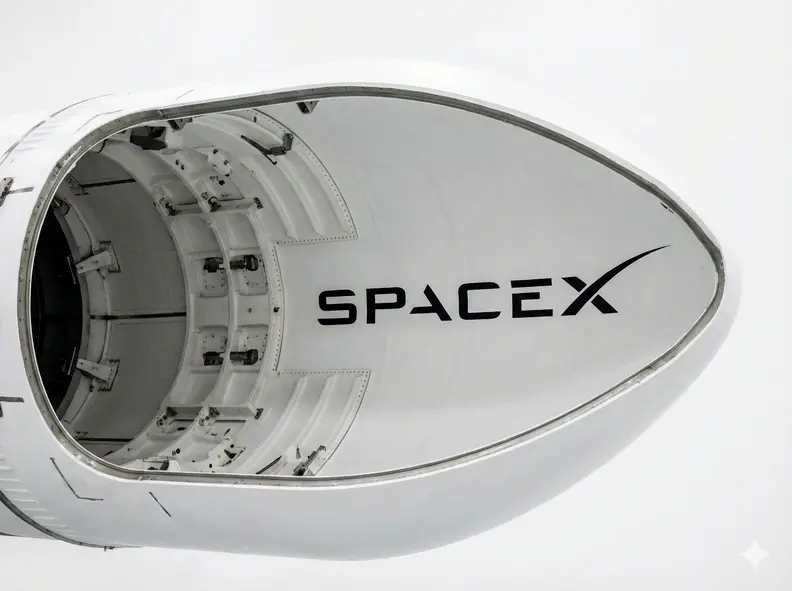
The current market is re-pricing around SpaceX's potential largest IPO in history. Most investors are focused on its target valuation of approximately $1.75 trillion, but what may be more noteworthy is that the growth narrative it represents is changing. With SpaceX's acquisition of xAI, the market is beginning to view it as a platform asset that encompasses AI, global connectivity networks, and space infrastructure, rather than just a rocket company.
From the market pricing perspective, the SpaceX Pre-IPO perpetual contracts on Binance and Hyperliquid are currently priced at a premium of about 34% over the $1.75 trillion target valuation, corresponding to an implied market value of approximately $2.3 trillion. The market is pricing in a larger story in advance, and investors need to assess whether this narrative is sufficient to support such a high valuation level.
From Rocket Company to Infrastructure Platform: The Valuation Logic of SpaceX is Being Restructured
The combination of SpaceX and xAI raises its total addressable market (TAM) to approximately $28.5 trillion. Of this, the AI-related market is about $26.5 trillion, the global connectivity network is around $1.6 trillion, while the traditional space business itself is only about $0.4 trillion.
This means that the current market is not truly pricing Mars exploration, but rather the broader infrastructure value of data centers, AI, and global communication networks. As SpaceX's most core asset, Starlink is expected to achieve $11.4 billion in revenue by 2025, a 50% year-on-year increase, with an EBITDA profit margin of 63%. However, its average revenue per user (ARPU) has decreased from $99 three years ago to $66, and whether future user growth can keep pace with profitability will be a key factor in determining its valuation.
Meanwhile, SpaceX's current valuation corresponds to about a 100 times sales multiple, far exceeding most large tech companies. Such a high valuation level not only requires a continuous strengthening of the growth narrative but also demands the company maintain a strong execution capability for many years to come.
Behind the High Valuation: IPO Liquidity and Expectations for Space Economy Expansion
Since 2002, SpaceX has raised approximately $12 billion in primary market financing, while this IPO is expected to raise about $86 billion, potentially bringing around $800 million in underwriting revenue to Wall Street. At the same time, in March 2026, SpaceX signed a $20 billion bridge loan to refinance high-yield debt related to X and xAI, which also makes this listing significant for optimizing its balance sheet.
It is noteworthy that SpaceX has adopted a more flexible lock-up period arrangement. Some early investors can sell up to 20% of their eligible shares after the first quarterly report is released, and if the stock price rises 30% above the issue price, additional shares will also be unlocked. This means that the market will face ongoing liquidity tests post-IPO, which explains why the market narrative surrounding SpaceX needs to be continuously reinforced to absorb potential future supply pressure.
From a longer-term perspective, the core bet of the market remains the expansion of the space economy. Mainstream forecasts indicate that the global space economy is expected to grow from $630 billion in 2023 to $1.8 trillion by 2033. As launch costs continue to decline, the synergies between satellite networks, orbital data, and AI applications are continuously strengthening, and true value may gradually concentrate at the platform and application layers.
Overall, SpaceX's current valuation already reflects high market expectations, and maintaining valuation discipline remains very important in the short term. For investors, the focus may not be limited to SpaceX itself but should be on the long-term mainline it represents—the increasingly integrated trends among AI, global connectivity networks, space infrastructure, and digital assets. If this trend continues to evolve, related publicly listed companies and space economy-themed assets may also become important windows for observing this narrative.
Some of the views above are from BIT on Target, Contact us to obtain the complete report of BIT on Target.
Disclaimer: The market has risks, and investment should be cautious. This article does not constitute investment advice. Trading in digital assets may involve significant risks and volatility. Investment decisions should be made after careful consideration of personal circumstances and consultation with financial professionals. BIT is not responsible for any investment decisions made based on the information provided in this content.
 Risk warning