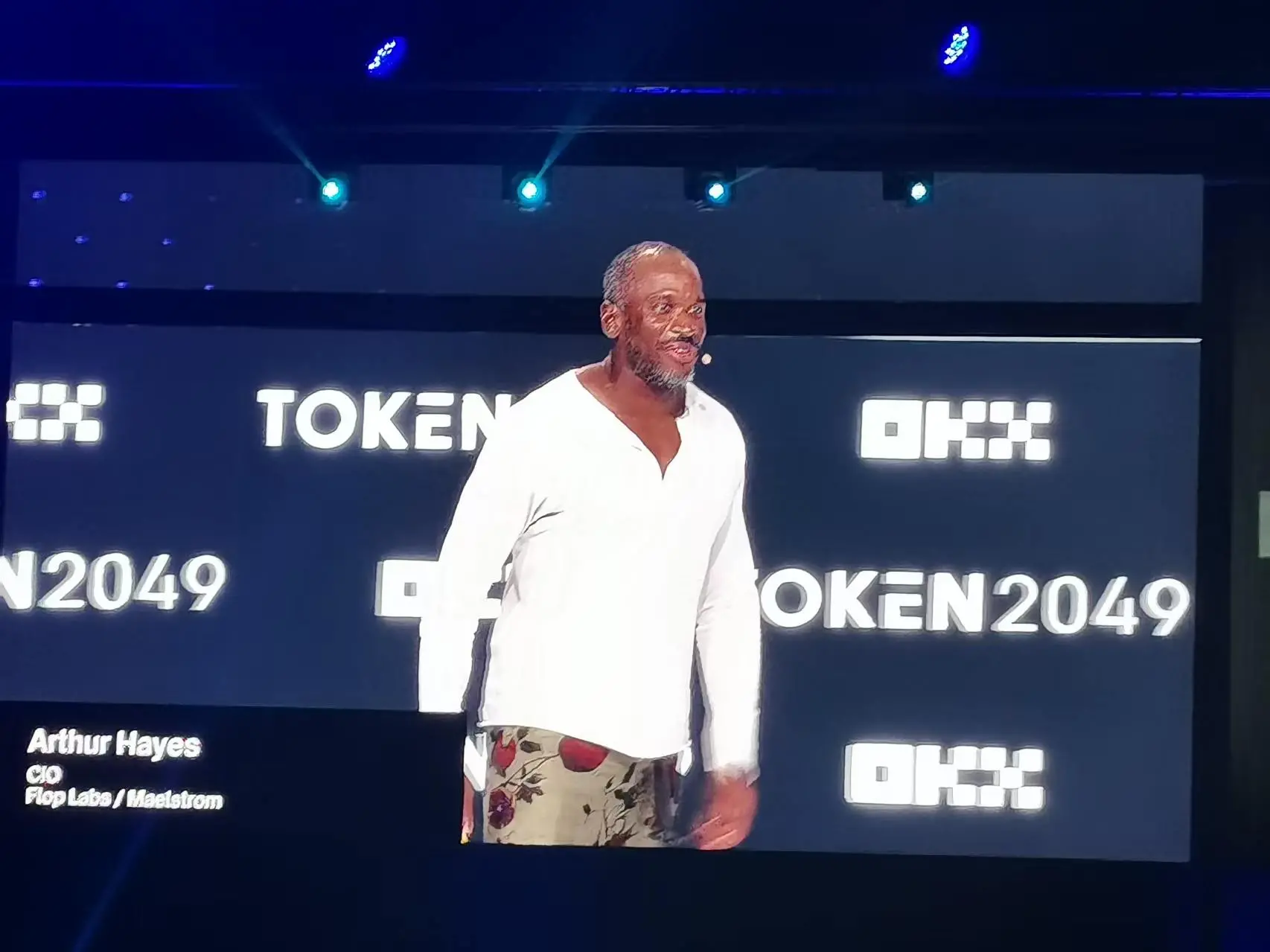
Arthur Hayes: AI "Safety First" is essentially a destruction of computing power demand; the U.S. government's ultimate choice in all scenarios is to print money, which ultimately benefits Bitcoin
Arthur Hayes published a new long article titled "Safety First," with the core argument that the claims of "safety first" by Anthropic, OpenAI, and SpaceX, which lead to a slowdown in AGI development, are not out of concern for human welfare but rather due to economic realities. The market does not want AI; it wants AI at "Chinese prices," meaning it needs intelligence that is 100 times cheaper than what is currently available. Hayes points out that "safety first" essentially destroys the demand for computing power. If the spending on training new models decreases and laboratories shift towards efficiency optimization, customers will spend less on computing power. The three major AI laboratories do not generate any profits, and their demand for computing power supports over $10 trillion in investment-grade debt and hundreds of billions in low-quality debt, which rely on profitable tech companies like Nvidia, Broadcom, Google, and Microsoft for off-balance-sheet endorsements. The real backstop is the holders of insurance policies in the United States.Hayes cites an analysis by Nick Nameth that reveals a "self-insurance scam": private equity giants (such as Apollo, KKR, Brookfield, etc.) acquire insurance companies, stuffing AI data center debt and SaaS private credit impacted by AI into insurance assets, and then provide false endorsements with minimal capital through affiliated self-insurance reinsurance companies. Nameth estimates that the total amount of these false reinsurance assets reaches $1.54 trillion. Once the AI data center debt is downgraded by rating agencies due to insufficient demand for computing power, insurance companies will be forced to add capital, while the affiliated reinsurance companies will be unable to pay, leading to insolvency for the insurance companies. In most states in the U.S., the insurance protection limit is only $250,000 to $300,000, and existing insurance companies only pay into the protection fund afterward, which encourages all parties involved to maximize risk-taking. When AIG was bailed out in 2008, TARP funds ultimately flowed to Goldman Sachs and led to record bonuses, while the general public only received foreclosure notices; Hayes believes this scenario will repeat itself.For cryptocurrency investors, the conclusion is a win-win situation. If the U.S. government chooses to become the "last buyer of computing power," it will print money in the name of national security to fund unproductive economic goods, driving up financial speculation and Bitcoin prices; if the government chooses to bail out insolvent insurance companies, it will also need to print money to cover bad AI debts, increasing the money supply and pushing up Bitcoin. Hayes specifically points out that the Federal Reserve voted unanimously last week to raise interest rates by 25 basis points, and RMP bond purchases have stopped since August 14, but commercial banks have taken over to create over $100 billion in currency, and the interest rate hike allows banks to earn an additional $7.5 billion in excess reserve interest each year. This money will be used to expand loans and market speculation, and the net effect remains stimulative. The fluctuations in the cryptocurrency market, which saw a slight increase at the end of August, are about to end, the supply of dollars will continue to grow, and Bitcoin and some selected altcoins will rise. Hayes also described this situation as "incredibly wonderful," stating that the government will not allow the free market to stop building AI data centers, there will be an oversupply of spot computing power, the usage of AI agents will increase, and the surge in money printing will drive investors to chase cryptocurrency assets.