BTC $63,400.76 -1.06%
ETH $1,806.70 +0.06%
BNB $572.83 -0.05%
XRP $1.08 -1.37%
SOL $76.45 -0.45%
TRX $0.3313 +0.60%
DOGE $0.0727 -0.67%
ADA $0.1603 -2.72%
BCH $240.30 -2.16%
LINK $8.00 +0.54%
HYPE $67.00 -0.49%
AAVE $96.52 -2.12%
SUI $0.7311 +0.27%
XLM $0.1847 -0.79%
ZEC $529.88 +3.29%
BTC $63,400.76 -1.06%
ETH $1,806.70 +0.06%
BNB $572.83 -0.05%
XRP $1.08 -1.37%
SOL $76.45 -0.45%
TRX $0.3313 +0.60%
DOGE $0.0727 -0.67%
ADA $0.1603 -2.72%
BCH $240.30 -2.16%
LINK $8.00 +0.54%
HYPE $67.00 -0.49%
AAVE $96.52 -2.12%
SUI $0.7311 +0.27%
XLM $0.1847 -0.79%
ZEC $529.88 +3.29%

restructuring

All
Article
Flash

Chinese companies like Moonshot AI are weighing company restructuring after the reversal of the Meta Manus deal

According to Benchmark Studio, after the China Securities Regulatory Commission issued inquiries to multiple companies regarding overseas shareholding structures, Chinese tech startups such as Moonshot AI and DeepRoute.ai are evaluating the feasibility of relocating their company registration from overseas back to China. They are currently discussing related plans with lawyers and have not yet made a final decision. Shanghai AI model developer StepFun has taken the lead in initiating the process of dismantling its overseas shareholding structure to expedite the regulatory approval process for its Hong Kong IPO.The direct trigger for this tightening of regulations was Meta's acquisition of the AI agency Manus, founded by Chinese individuals, for $2 billion—relevant authorities have ordered the cancellation of this acquisition, leading to a systematic review by regulators of the "domestic operation, overseas registration" company model.Dismantling the red-chip structure is complex, typically taking six months to a year, involving multiple steps such as repurchasing offshore equity, establishing joint ventures, and investors re-entering shares. Additionally, the lock-up period for joint ventures listed in Hong Kong lasts up to 12 months, which is twice as long as that for ordinary red-chip stocks. Analysts point out that if the red-chip structure faces comprehensive restrictions, it will significantly weaken the ability of Chinese startups to obtain dollar financing from overseas.
StarkWare announces layoffs and reorganizes into two major business units, betting on monetizing its own products

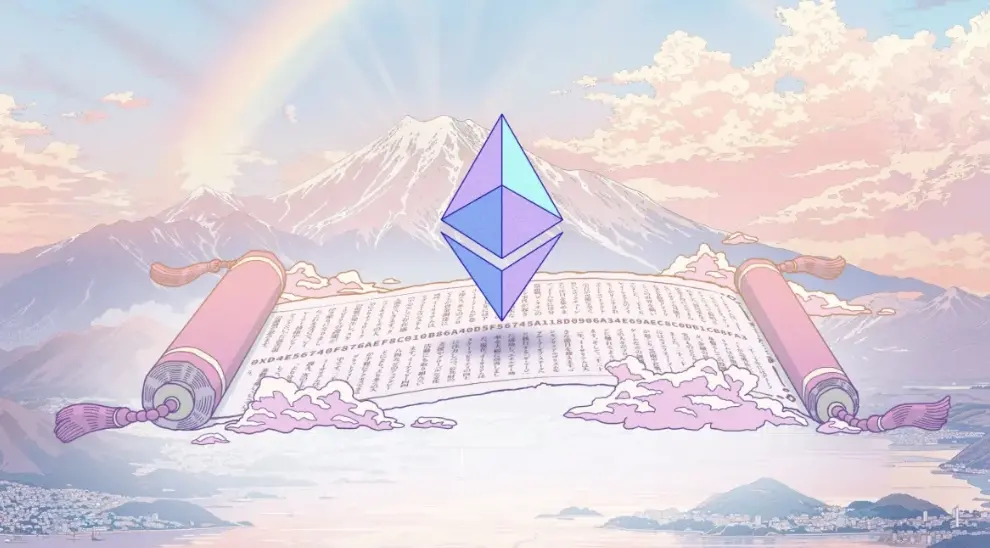
According to The Block, zero-knowledge proof scaling developer StarkWare announced layoffs and initiated an internal restructuring. Co-founder and CEO Eli Ben-Sasson stated in an all-hands meeting that the company is "overly large" and needs to return to a "startup mode" to accelerate product-market fit. The specific number of layoffs and the timeline have not yet been disclosed, but the company promises to provide severance compensation that exceeds legal requirements.After the restructuring, StarkWare will split into two independent business units: one is a revenue-oriented application department led by current CPO Avihu Levy, focusing on developing monetizable products on its own technology stack; the other is the Starknet development department led by current product head Tom Brand. Each unit will have its own engineering, product, and marketing teams.Strategically, StarkWare plans to fully control the complete blockchain proof technology stack, including Cairo, Sierra, and quantum-resistant STARK cryptography, reducing reliance on external Layer 1 blockchains and application teams. Ben-Sasson stated that the company will shift from "doing many things well" to "doing a few things excellently," focusing on high-potential, high-value directions that only StarkWare can achieve. Additionally, COO Oren Katz has applied for resignation and will officially leave at the end of April.
app_icon
ChainCatcher Building the Web3 world with innovations.