BTC $63,928.67 -2.24%
ETH $1,855.61 -1.62%
BNB $564.37 -0.66%
XRP $1.08 -2.34%
SOL $73.93 -2.53%
TRX $0.3293 -0.24%
DOGE $0.0693 +0.18%
ADA $0.1618 -3.07%
BCH $210.52 -0.60%
LINK $8.30 -2.08%
HYPE $57.25 -2.59%
AAVE $91.20 -5.32%
SUI $0.7058 -4.90%
XLM $0.1769 -3.37%
ZEC $476.79 -5.87%
BTC $63,928.67 -2.24%
ETH $1,855.61 -1.62%
BNB $564.37 -0.66%
XRP $1.08 -2.34%
SOL $73.93 -2.53%
TRX $0.3293 -0.24%
DOGE $0.0693 +0.18%
ADA $0.1618 -3.07%
BCH $210.52 -0.60%
LINK $8.30 -2.08%
HYPE $57.25 -2.59%
AAVE $91.20 -5.32%
SUI $0.7058 -4.90%
XLM $0.1769 -3.37%
ZEC $476.79 -5.87%

delisting

All
Article
Flash

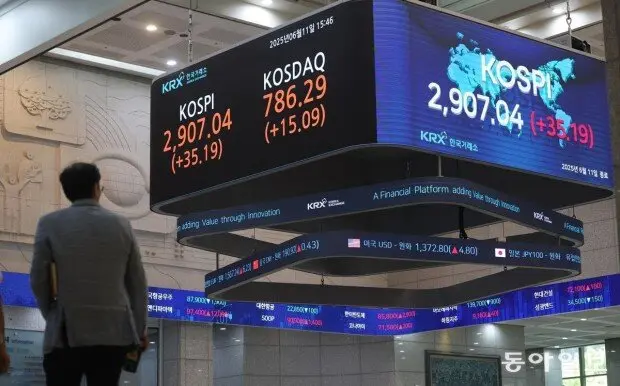
The Korea Exchange has introduced new regulations: companies listed under technical exceptions that transition to businesses such as "cryptocurrency asset investment" will face delisting reviews

According to the Korea Exchange (KRX) announcement on July 2, to further improve the KOSDAQ market system, KRX has officially revised the relevant listing rules and implementation details, aiming to strictly control the deviation of technology special listing companies from their main business.The new regulations clearly state that companies listed through technology exceptions that change their main business direction within 5 years after listing (excluding businesses similar to or subsidiary to the original main business) will be subject to substantial delisting review. KRX officials specifically cited an example where a related biotechnology company transferred its management rights to an overseas digital asset company after listing last year and illegally transformed into a "cryptocurrency vault" and other digital asset professional investment institutions. KRX emphasized that such behavior has caused the company to deviate from the technical and growth assessment basis approved at the time of listing, and therefore must undergo strict delisting review.In addition, the new regulations have added additional restrictions to the grace period for delisting conditions enjoyed by special listing companies (i.e., exemption from revenue insufficiency or large-scale losses within 3 to 5 years), requiring relevant companies to publicly disclose their "corporate value enhancement plans" during this period to ensure future growth and strengthen communication with investors. This revision of regulations also includes measures to optimize the capital market, such as expanding customized qualitative review standards for innovative companies and establishing a low PBR (price-to-book ratio) company disclosure system.
Spark: The delisting of rsETH assets in January had caused strong dissatisfaction among ETH leveraged users, but it has now been proven to be a prudent strategy

The head of the Spark Protocol strategy, monetsupply.eth, posted on platform X stating that in January of this year, low-usage assets like rsETH were removed and collateral and functionality were continuously tightened. This move sparked strong dissatisfaction among "ETH leveraged" users at the time.Additionally, Spark has long set a high upper limit on interest rates in the ETH lending market, transferring some business and revenue to Aave over the past year (where its ETH borrowing rate once dropped to 10% or below). However, in the current market crisis environment, this strategy has proven to be more prudent. Currently, SparkLend still maintains sufficient ETH withdrawal liquidity, while Aave has experienced liquidity tightness and even "lock-up" situations in the Ethereum mainnet and multi-chain markets like Arbitrum and Base.monetsupply.eth further warned that since ETH is the core collateral asset, when market utilization reaches 100%, collateral liquidation will not be able to execute normally. The depletion of liquidity not only affects the depositor experience but may also pose systemic risks. In the current situation of insufficient liquidity in Aave, a 15%-20% drop in ETH prices could lead to significant bad debt accumulation (in addition to the potential impact of the rsETH incident).
app_icon
ChainCatcher Building the Web3 world with innovations.