BTC $77,807.03 -3.61%
ETH $2,443.29 -2.95%
BNB $691.30 -3.34%
XRP $1.38 -5.10%
SOL $104.16 -3.92%
TRX $0.3410 +0.42%
DOGE $0.0853 -4.74%
ADA $0.2023 -6.04%
BCH $247.22 -8.28%
LINK $11.42 -4.39%
HYPE $80.33 -4.64%
AAVE $121.76 -6.37%
SUI $0.7413 -6.14%
XLM $0.1786 -4.94%
ZEC $806.08 -0.78%
BTC $77,807.03 -3.61%
ETH $2,443.29 -2.95%
BNB $691.30 -3.34%
XRP $1.38 -5.10%
SOL $104.16 -3.92%
TRX $0.3410 +0.42%
DOGE $0.0853 -4.74%
ADA $0.2023 -6.04%
BCH $247.22 -8.28%
LINK $11.42 -4.39%
HYPE $80.33 -4.64%
AAVE $121.76 -6.37%
SUI $0.7413 -6.14%
XLM $0.1786 -4.94%
ZEC $806.08 -0.78%

fed

All
Article
Flash

first_img Analysis: Federal Reserve Chairman Waller downplays the decline in inflation, Bitcoin falls below $80,000

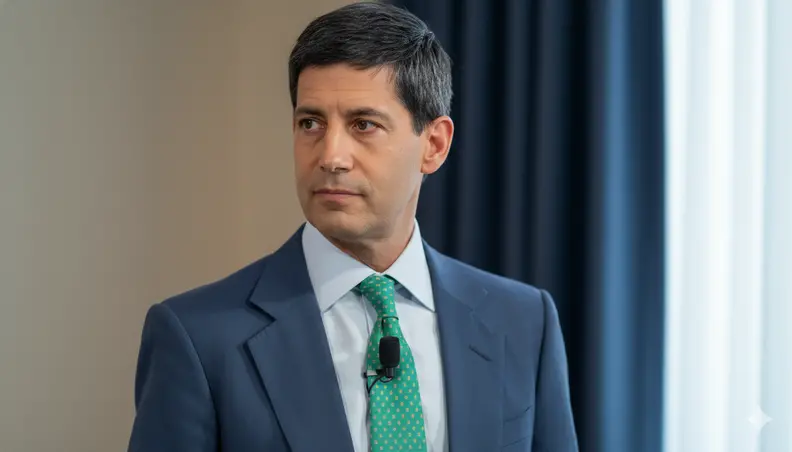
According to Cointelegraph, Bitcoin failed to effectively break through the $80,000 mark, with BTC/USD dropping to $78,442 on the Bitstamp platform, a decline of about 1% for the day, after Federal Reserve Chairman Kevin Walsh delivered a cautiously toned speech in Jackson Hole. In his speech, Walsh reaffirmed the Fed's commitment to the 2% inflation target and downplayed the significance of the recent decline in CPI and PCE data.Walsh stated that although these broad inflation indicators have significantly retreated from their highs a few years ago, the progress over the past two years has been relatively modest. The better-than-expected PCE and CPI readings this summer do not indicate that the underlying trend has materially improved. He also noted that the forward guidance, a conventional practice introduced during the financial crisis, "is now outdated" and will not return in the future. U.S. stocks were not weighed down by his remarks, with the S&P 500 and Nasdaq indices both rising by about 0.5%.On-chain data shows that there is a dense resistance zone between the current spot price and $86,000, which suppresses upward momentum. QCP Capital analysis pointed out that even if the price breaks through, the derivatives market needs to support it by controlling funding rates and the growth rate of open interest. The key is whether the subsequent market movement is driven by spot participation or leveraged positions. As of the time of writing, BTC/USD has risen 26.35% this month, marking the best August performance since 2017.

Short-term yields on U.S. Treasuries have risen, as the market expects the Federal Reserve may need to raise short-term interest rates

U.S. short-term Treasury yields rose. Federal Reserve Chairman Waller emphasized in a highly anticipated speech that the Fed needs to curb rising consumer prices, alleviating some market concerns about its ability to combat inflation.During Waller's speech, short-term U.S. Treasuries were sold off, while long-term Treasuries rose. The yield on the two-year Treasury increased by 5 basis points to 4.28%, while the 30-year yield decreased by 1 basis point to 5.19%. These changes indicate that the market expects the Fed may need to raise short-term rates. Since Waller held his first press conference in June, bond traders have had doubts about his policy stance. At that time, Waller emphasized the need to lower inflation and showed a hawkish stance.Since the global economy reopened from the pandemic in 2021, U.S. inflation has remained above the Fed's 2% target. However, in July, the Fed again kept rates unchanged, and Waller did not indicate whether a rate hike might occur this year. Subsequently, long-term Treasury yields surged as traders demanded higher returns to compensate for the risks posed by rising inflation.Waller warned on Friday that inflation has not shown meaningful signs of slowing and stated that policymakers must be confident that inflation is improving; otherwise, the central bank "has work to do." He also reiterated that policymakers will bring the inflation rate back to the 2% target and emphasized that this goal is clear and fixed.

"The Fed's Mouthpiece": How Waller Explains Inflation Determines the Path He Will Take

According to Nick Timiraos, a reporter for the Wall Street Journal, known as the "Fed's megaphone," in his latest article, Federal Reserve Chairman Kevin Walsh will face a core issue during his first major speech this week in Jackson Hole: whether the persistently high inflation in the United States is caused by one-time shocks such as tariffs and wars, or if the economy itself is still overheating.This judgment will directly determine the direction of interest rates and is currently the biggest divergence within the Federal Reserve. In the July meeting, three officials supported a rate hike, while other officials indicated the possibility of further tightening policies, but Walsh has not made a clear statement. Since taking office, he has deliberately reduced policy guidance, and now both the market and his Federal Reserve colleagues are waiting for him to systematically explain his judgment for the first time.The key to Walsh's term ultimately depends on how he explains why the previous policies failed to bring inflation back to 2%. If the policies of lowering interest rates and supporting employment over the past two years were fundamentally wrong because the labor market is actually stronger than the Federal Reserve judged, then Walsh needs to push for a reversal of interest rate cuts. However, this would conflict with the previous demands from Trump and Bessenet for further rate cuts.
app_icon
ChainCatcher Building the Web3 world with innovations.