BTC $79,516.95 -0.29%
ETH $2,487.92 -1.73%
BNB $705.79 -0.66%
XRP $1.42 -1.02%
SOL $106.24 +1.63%
TRX $0.3392 +0.88%
DOGE $0.0874 -1.96%
ADA $0.2092 -2.83%
BCH $261.88 -4.22%
LINK $11.66 -1.59%
HYPE $83.43 +1.42%
AAVE $125.30 -2.87%
SUI $0.7602 -1.60%
XLM $0.1836 -1.96%
ZEC $788.62 -0.45%
BTC $79,516.95 -0.29%
ETH $2,487.92 -1.73%
BNB $705.79 -0.66%
XRP $1.42 -1.02%
SOL $106.24 +1.63%
TRX $0.3392 +0.88%
DOGE $0.0874 -1.96%
ADA $0.2092 -2.83%
BCH $261.88 -4.22%
LINK $11.66 -1.59%
HYPE $83.43 +1.42%
AAVE $125.30 -2.87%
SUI $0.7602 -1.60%
XLM $0.1836 -1.96%
ZEC $788.62 -0.45%

waller

All
Article
Flash

first_img Analysis: Bitcoin remains steady around $80,000, traders focus on Waller's Jackson Hole speech

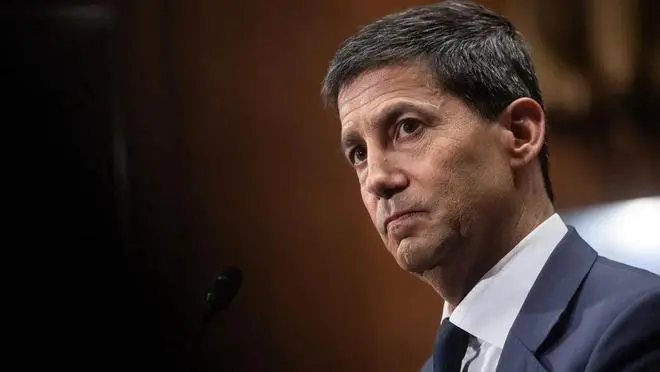
According to CoinDesk, Bitcoin is currently stable around $80,000, with traders focusing on Federal Reserve Chairman Kevin Walsh's keynote speech at the Jackson Hole annual meeting. The annual seminar hosted by the Kansas City Fed opened on Wednesday, and Walsh will speak on Friday morning. Current inflation remains well above the Fed's 2% target, and long-term borrowing costs are near multi-year highs, with the Fed maintaining the benchmark interest rate range at 3.5%-3.75% in recent months.Mark Connors, Chief Investment Officer of Risk Dimensions, expects Walsh to keep the option of raising interest rates but not to raise rates before the midterm elections. The July PCE inflation rate reached 3.7%, partly driven by rising energy prices following the Iran war. Samir Kerbage, Chief Investment Officer of Hashdex, stated that Bitcoin does not directly respond to the September interest rate decision but follows global liquidity and long-end yield curve trends, similar to the drivers of gold. Last week, the U.S. Treasury announced an increase in long-term Treasury bond purchases after the 30-year Treasury yield hit a 19-year high, which pushed Bitcoin higher; Kerbage described this surge as "primarily a liquidity event."This year's Jackson Hole meeting focuses on financial innovation, payments, and policy, with stablecoins, tokenized deposits, and faster settlement systems becoming the discussion highlights. Kerbage believes that if Walsh views these technologies as part of the financial system rather than risks to be curtailed, the impact could extend beyond Bitcoin, with smart contract networks and protocols handling tokenized payments and settlements benefiting more directly from this shift.

"The Fed's Mouthpiece": How Waller Explains Inflation Determines the Path He Will Take

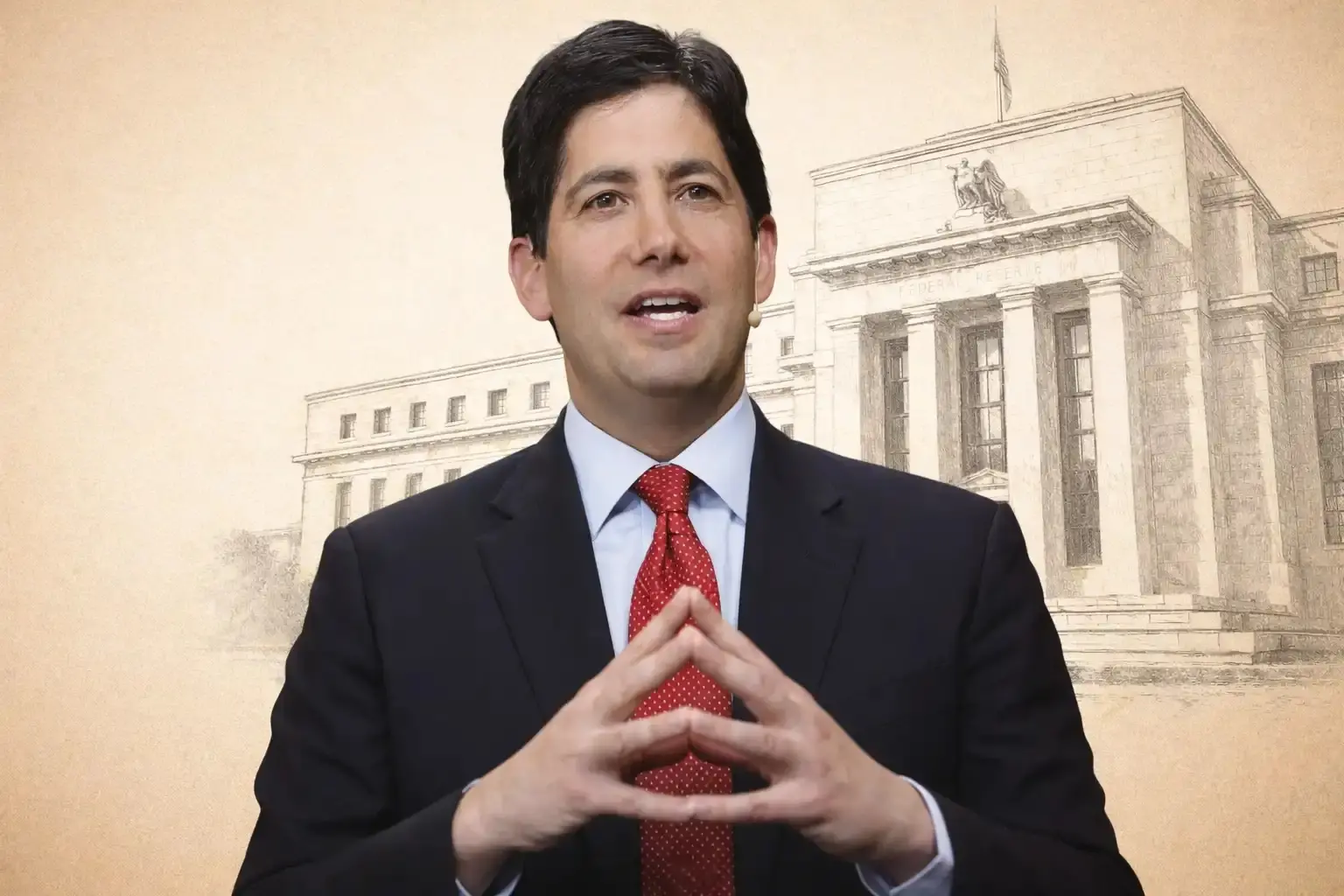
According to Nick Timiraos, a reporter for the Wall Street Journal, known as the "Fed's megaphone," in his latest article, Federal Reserve Chairman Kevin Walsh will face a core issue during his first major speech this week in Jackson Hole: whether the persistently high inflation in the United States is caused by one-time shocks such as tariffs and wars, or if the economy itself is still overheating.This judgment will directly determine the direction of interest rates and is currently the biggest divergence within the Federal Reserve. In the July meeting, three officials supported a rate hike, while other officials indicated the possibility of further tightening policies, but Walsh has not made a clear statement. Since taking office, he has deliberately reduced policy guidance, and now both the market and his Federal Reserve colleagues are waiting for him to systematically explain his judgment for the first time.The key to Walsh's term ultimately depends on how he explains why the previous policies failed to bring inflation back to 2%. If the policies of lowering interest rates and supporting employment over the past two years were fundamentally wrong because the labor market is actually stronger than the Federal Reserve judged, then Walsh needs to push for a reversal of interest rate cuts. However, this would conflict with the previous demands from Trump and Bessenet for further rate cuts.

Analysis: Waller may release dovish signals at Jackson Hole, with US debt policy coordination becoming the market focus

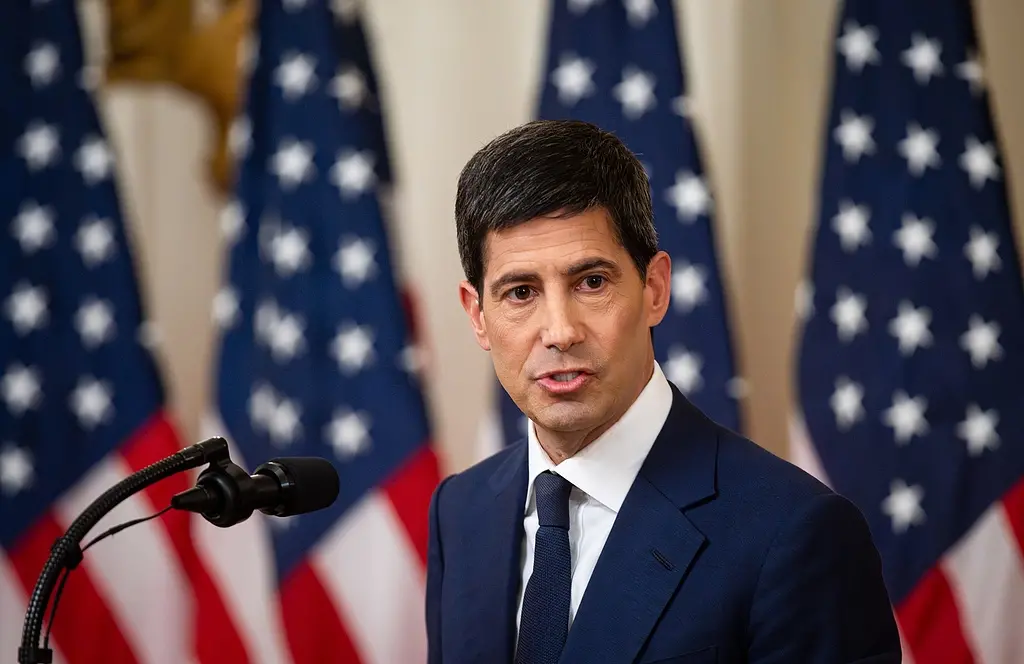
The market is closely watching Federal Reserve Chairman Kevin Walsh's speech at the Jackson Hole annual meeting this Friday. As U.S. long-term Treasury yields continue to rise, the market generally expects Walsh to possibly release dovish signals to alleviate concerns about inflation and fiscal risks in the bond market.Mark Cabana, head of U.S. interest rate strategy at Bank of America, stated that the market has gradually lost sensitivity to Walsh's previous verbal statements about "fighting inflation," and investors currently hope to see a substantive policy path to address inflation. Meanwhile, Treasury Secretary Basant has recently increased the repurchase of long-term U.S. Treasuries and financed the government through the issuance of short-term bonds, indicating some divergence between the Treasury and the Federal Reserve in managing the bond market.The article points out that Basant's shift of financing pressure to the short end effectively bets U.S. fiscal costs on future interest rate declines. If Walsh can promote interest rate cuts by controlling inflation and boosting productivity, the short-term financing model is expected to reduce government interest expenses; however, if long-term rates remain high, U.S. fiscal pressure may further intensify.The market also anticipates that the Federal Reserve may make adjustments to liquidity management and balance sheet policies. Michael Cloherty, head of U.S. interest rate strategy at CIBC, believes that quantitative tightening could begin as early as the end of 2027, provided that regulatory rule changes can reduce banks' demand for reserves.Currently, the Federal Reserve still holds about $1.6 trillion in long-term U.S. Treasuries. Walsh's statements at Jackson Hole regarding long-term yields, inflation, and the path of balance sheet reduction may become an important signal for assessing the degree of future policy coordination between the Federal Reserve and the Treasury.
hot_img U.S. Senator demands that Waller disclose his conversations with Trump, questioning the transparency of the Federal Reserve

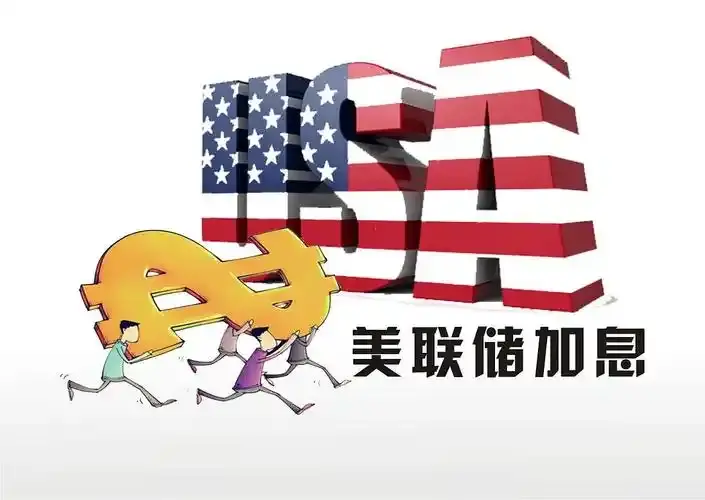
Nick Timiraos, the chief economic reporter for The Wall Street Journal and known as the "mouthpiece of the Federal Reserve," recently wrote that Federal Reserve Chairman Kevin Warsh is facing intense scrutiny from Congress. On Wednesday local time, four members of the Senate Banking Committee, led by Senator Chris Van Hollen, jointly sent a letter to Warsh, demanding that he publicly disclose all communication details with President Donald Trump.Earlier reports indicated that Warsh had maintained frequent phone contact with Trump since taking office, but the publicly available schedule from the Federal Reserve does not record any related calls during Warsh's early days in office. Lawmakers believe that this "selective transparency" could raise concerns about government interference in monetary policy.Kevin Hassett, the director of the White House Council of Economic Advisers, previously stated that Warsh has long engaged in economic discussions with Trump but claimed that Trump would not pressure the Federal Reserve. Trump later denied the related reports, stating that he had only had a brief conversation with Warsh a few days prior.Currently, the Federal Reserve has stated that it will continue to delay the disclosure of the chairman's schedule according to established rules. The market is watching to see if Warsh will provide additional information and whether this matter will affect public confidence in the independence of the Federal Reserve.
app_icon
ChainCatcher Building the Web3 world with innovations.