BTC $77,693.20 -2.11%
ETH $2,443.08 -2.26%
BNB $744.29 -0.23%
XRP $1.39 -1.27%
SOL $102.08 -2.93%
TRX $0.3384 +0.93%
DOGE $0.0880 -3.10%
ADA $0.2152 -3.05%
BCH $252.32 -3.34%
LINK $12.35 -6.26%
HYPE $82.32 -6.14%
AAVE $126.85 -4.68%
SUI $0.7979 -3.58%
XLM $0.1863 -3.15%
ZEC $1,133.63 -4.12%
BTC $77,693.20 -2.11%
ETH $2,443.08 -2.26%
BNB $744.29 -0.23%
XRP $1.39 -1.27%
SOL $102.08 -2.93%
TRX $0.3384 +0.93%
DOGE $0.0880 -3.10%
ADA $0.2152 -3.05%
BCH $252.32 -3.34%
LINK $12.35 -6.26%
HYPE $82.32 -6.14%
AAVE $126.85 -4.68%
SUI $0.7979 -3.58%
XLM $0.1863 -3.15%
ZEC $1,133.63 -4.12%

pce

All
Article
Flash

The "inflation thunder" will be revealed on the eve of Jackson Hole! The core PCE in July may rise to 3.3%, and the expectation of interest rate hikes in September is heating up

At 20:30 Beijing time tonight, the U.S. Department of Commerce will release the July Personal Consumption Expenditures (PCE) price index. The market expects the overall PCE in July to rise by 0.1% month-on-month, with the year-on-year increase falling from 3.7% in June to 3.6%; the core PCE is expected to rise from 0.1% to 0.2% month-on-month, while year-on-year it remains at 3.3%, marking the 65th consecutive month above the Federal Reserve's 2% inflation target.It is noteworthy that rising prices in the AI industry chain, high valuations in the stock market pushing up portfolio management fees, and the situation in the Middle East leading to increased energy costs may all become potential drivers of core inflation. Goldman Sachs predicts that stock market valuation factors alone could contribute approximately 0.11 percentage points to the month-on-month increase in core PCE for July.What draws more market attention is that the Bureau of Economic Analysis plans to comprehensively adjust the PCE statistical methods by the end of September, which may involve adjustments to the price calculations for categories such as computer hardware, stock portfolio management, and legal services, and may also retroactively revise historical data, increasing the difficulty of interpreting inflation data.Currently, the market's views on the Federal Reserve's policy path in September are increasingly divided. CME's "FedWatch" shows that the probability of the Federal Reserve keeping interest rates unchanged in September is 59.9%, while the probability of a 25 basis point rate hike has risen to 40.1%. The market is also waiting for this week's Jackson Hole annual meeting to seek the latest signals from Fed Chair Powell regarding inflation and subsequent interest rate policies.

Goldman Sachs: Inflation pressures in the U.S. are spreading, and Federal Reserve Chairman Waller is facing pressure to raise interest rates

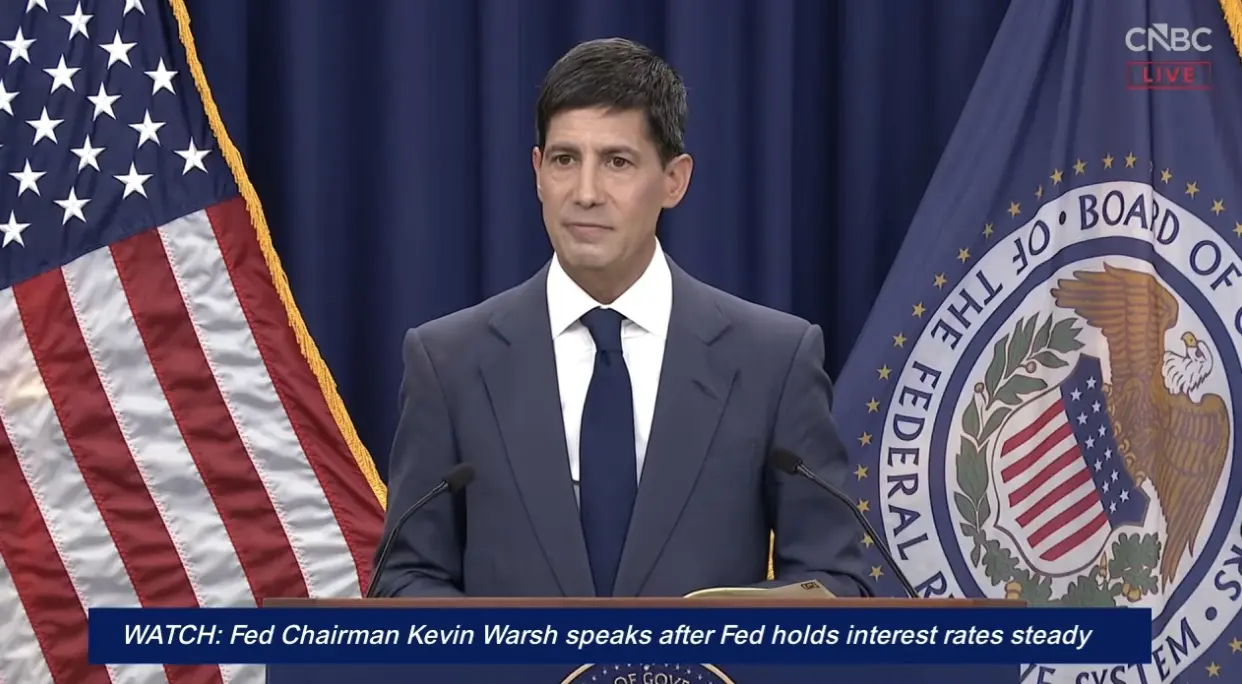
According to Jinshi reports, Goldman Sachs' latest research report shows that inflationary pressures in the United States are spreading from a few industries to a broader range of sectors. Although the current inflation level has not yet reached the peak of 2022, the coverage of rising prices is expanding, posing greater challenges for Federal Reserve policy. Goldman Sachs economist Jessica Rindels analyzed the degree of inflation diffusion based on the Personal Consumption Expenditures (PCE) price index, which the Federal Reserve focuses on, using a six-month annualized change rate.The data shows that compared to the average inflation level from 1990 to 2019, the pressure index for inflation categories exceeding 3% has reached about "6," while this index was "10" at the peak of inflation in 2022.The report points out that areas such as audio-visual equipment, financial services, healthcare, and transportation have become significant sources of current price increases. Meanwhile, housing rent inflation, which has a high weight in the PCE, is expected to fall below 3% in the fourth quarter of this year, potentially becoming an important factor in alleviating inflationary pressures.Goldman Sachs' analysis resonates with the recent concerns of new Federal Reserve Chairman Kevin Warsh regarding the "diffusion" of inflation. Warsh stated that preventing price increases from spreading to more sectors of the economy is an important task for the Federal Reserve. However, unlike the more explicit policy communication style of former Chairman Powell, Warsh currently refuses to provide specific guidance on interest rate paths.Jeremy Schwartz, a senior U.S. economist at Nomura Securities, stated that the Federal Reserve is reducing its forward guidance to the market, and this policy uncertainty has increased concerns on Wall Street. Meanwhile, hawkish voices within the Federal Reserve are rising. Dallas Federal Reserve President Logan has expressed support for moderate interest rate hikes, believing that the current economic resilience does not match the inflation risks.

Bitget CFD Chief Analyst: PCE data will become a barometer for Federal Reserve policy, beware of the downward risk for gold

Today, Bitget CFD Chief Analyst Lewis Huang pointed out in an online live broadcast themed "Logic of Gold Trend Analysis" that this week's market focus will be on the U.S. May PCE Price Index and the final value of Q1 GDP.Previously, CPI and PPI data reached new highs, non-farm employment showed robust performance, and signals of inflation rebound combined with the Federal Reserve's hawkish stance have led the market to gradually digest rate hike expectations. He emphasized that Waller has clearly stated that controlling inflation is the top priority, and the interest rate dot plot shows that rate hikes in 2026 are becoming an internal consensus, and the market needs to prepare for a higher and longer-lasting interest rate environment.Regarding the gold trend, Lewis Huang stated that due to the impact of geopolitical conflicts driving up energy prices, the overall year-on-year increase in the Personal Consumption Expenditures (PCE) Price Index may rise to 3.4% or even higher. If the Personal Consumption Expenditures (PCE) Price Index rises unexpectedly, the U.S. Dollar Index will gain strong momentum, while non-interest-bearing assets like gold will face weakening risks. He suggests that CFD traders closely monitor inflation expectation differentials and flexibly capture opportunities for U.S. dollar bullishness or guard against gold downturns.
app_icon
ChainCatcher Building the Web3 world with innovations.