BTC $80,909.21 -3.32%
ETH $2,365.60 -5.76%
BNB $720.11 -3.17%
XRP $1.31 -4.90%
SOL $102.13 -4.90%
TRX $0.3304 -0.89%
DOGE $0.0804 -4.90%
ADA $0.2214 -6.04%
BCH $264.39 -5.52%
LINK $12.08 -6.63%
HYPE $78.95 -3.33%
AAVE $149.11 -6.97%
SUI $0.9828 -7.24%
XLM $0.1800 -5.40%
ZEC $1,092.83 -12.32%
AAPL $345.71 +0.47%
AMZN $250.14 -4.23%
GOOGL $344.99 -3.86%
MSFT $531.22 -2.83%
META $730.45 -3.69%
NVDA $217.98 -4.37%
TSLA $362.05 -3.55%
SNDK $1,330.18 -8.07%
INTC $94.40 -7.08%
SPCX $148.63 -5.47%
MU $874.28 -7.66%
AMD $551.87 -8.32%
BTC $80,909.21 -3.32%
ETH $2,365.60 -5.76%
BNB $720.11 -3.17%
XRP $1.31 -4.90%
SOL $102.13 -4.90%
TRX $0.3304 -0.89%
DOGE $0.0804 -4.90%
ADA $0.2214 -6.04%
BCH $264.39 -5.52%
LINK $12.08 -6.63%
HYPE $78.95 -3.33%
AAVE $149.11 -6.97%
SUI $0.9828 -7.24%
XLM $0.1800 -5.40%
ZEC $1,092.83 -12.32%
AAPL $345.71 +0.47%
AMZN $250.14 -4.23%
GOOGL $344.99 -3.86%
MSFT $531.22 -2.83%
META $730.45 -3.69%
NVDA $217.98 -4.37%
TSLA $362.05 -3.55%
SNDK $1,330.18 -8.07%
INTC $94.40 -7.08%
SPCX $148.63 -5.47%
MU $874.28 -7.66%
AMD $551.87 -8.32%

turnover

All
Article
Flash

Analyst: The turnover of long-term holders of BTC has increased, and the release of phase selling pressure may reduce resistance for subsequent price increases

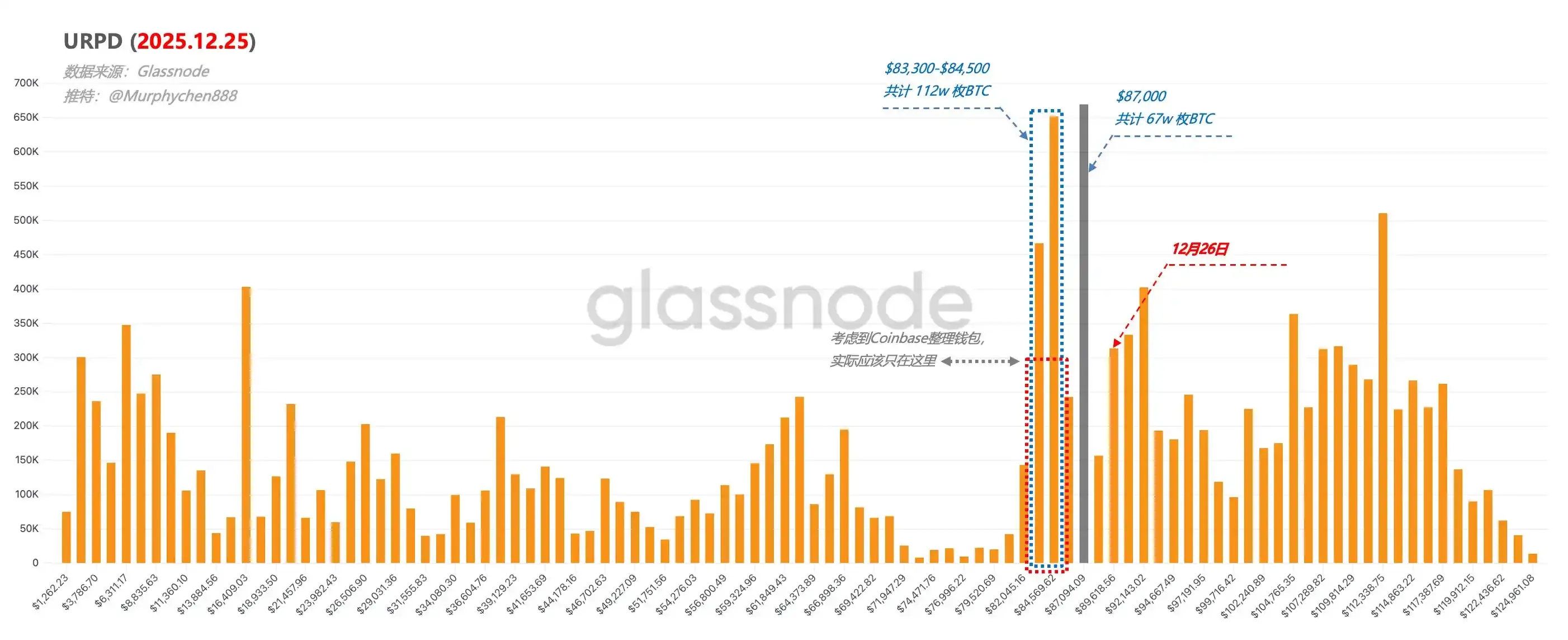
On-chain analyst Murphy posted on platform X that long-term holders (LTH) of Bitcoin have cumulatively transferred approximately 32,000 BTC to exchanges, marking the second-largest single-day inflow since the significant drop on February 5 of this year. However, during the same period, U.S. government-related wallets transferred about 17,200 BTC to Coinbase Prime. Considering that this platform serves as the official custodian and trading service for the U.S. Marshals Service, these transfers do not necessarily indicate selling.Excluding this portion, the noteworthy potential selling pressure is approximately 14,800 BTC, primarily coming from long-term holdings aged 6 to 12 months and 3 to 5 years. Murphy pointed out that the average coin age of spent long-term holder coins reached 712 days, up from 651 days on July 14, indicating that earlier holdings are gradually participating in turnover. He believes that the distribution by long-term holders during the transition phase between bull and bear markets is not necessarily bearish; the release of periodic selling pressure can help in the redistribution of holdings, with the key being whether market demand can effectively absorb it. If new funds can digest the supply, sufficient turnover may actually reduce resistance for subsequent market movements.

Bitcoin collateralized lending accelerates towards mainstream: expanding from trading financing to real needs such as tuition fees and corporate turnover

Bitcoin collateralized lending is gradually expanding from a cryptocurrency financial scene focused on trading and investment to real credit needs such as tuition fees, living expenses, business operating funds, and real estate, showing a significant change in market usage. Institutions like SALT Lending and Ledn indicate that more and more borrowers are choosing to collateralize BTC for liquidity instead of selling their holdings.Since its establishment in 2018, Ledn has issued loans totaling over $11 billion and expects this scale to grow to $1 trillion in the coming years. Its clients include entrepreneurs and institutional investors seeking operating funds, as well as individuals borrowing to pay for children's education, real estate investments, and short-term living expenses. This trend indicates that the financial attributes of BTC are extending from "tradable assets" further to "collateralizable assets." Borrowers hope to unlock its value without selling BTC while still retaining potential upside exposure.At the same time, institutions like SALT are promoting fixed-rate, long-term products, bringing crypto collateralized loans closer to traditional credit models like home mortgages. Coinbase has also recently launched fixed-rate BTC collateralized loans through Morpho. Ledn further anticipates that similar models may expand from BTC to traditional hard assets like gold, and the boundaries of the collateralized asset lending market are widening.

first_img Ukrainian police dismantled a gang in Kyiv that stole cryptocurrency wallets, with a monthly turnover reaching up to 1 million USD

On Tuesday, the Ukrainian National Police and Security Service announced the dismantling of a fake investment platform network based in Kyiv. This gang stole cryptocurrency from users in over 20 countries through built-in wallet theft tools. Investigators have currently confirmed 62 victims, including citizens from Germany, Poland, Lithuania, Latvia, Spain, France, the UK, Canada, and Israel. The organizers recruited more than 46 Ukrainians, operating multiple offices in Kyiv and surrounding areas, where developers were responsible for building the fake platform and resisting bans, while other members handled customer service and security.According to the Ukrainian Security Service, the organizer is a 25-year-old IT expert, and the gang's peak monthly revenue reached up to $1 million. The scam began with advertisements for cryptocurrency investment projects on Telegram. After users registered, they connected their wallets and invested funds, while gang members manually forged transactions to show a continuously increasing balance in the user backend. When users requested withdrawals, the platform required them to connect their main wallet and approve a small "test" transaction under the pretext of verification. This authorization immediately triggered the built-in theft tool on the website, transferring assets to wallets controlled by the gang and locking the victims' accounts.Investigators tracked down server equipment storing the gang's database in the Netherlands, which recorded victim information, wallet addresses, stolen amounts, internal communications, and platform operation data, as well as user passports, phone numbers, emails, login passwords, and photos. Police executed 34 searches in Kyiv and surrounding areas, seizing over 100 computers, more than 100 mobile phones, 79 SIM cards, one GSM gateway, cash, and 15 vehicles.

Data: Santiment: The number of addresses holding at least 100 BTC is about to surpass 20,000, and Bitcoin is experiencing "strong hands and weak hands turnover."

The cryptocurrency market research firm Santiment posted on social media that Bitcoin is about to reach a milestone— the number of addresses holding at least 100 BTC is about to surpass 20,000.A wallet holding 100 or more Bitcoins currently has a minimum value of $6.78 million, and these wallets are clearly primarily held by ultra-high-net-worth individuals, funds, long-term holders, or institutions. When this number continues to rise during or after a price decline (as seen recently), it can be viewed as a bullish signal. However, the total supply held by key stakeholders has not shown significant growth, which is also a reason for the continued pressure on prices.If the number of 100+ BTC addresses is increasing, it means that more large holders are diversifying their holdings rather than a few controlling everything. In this sense, it indicates a reduction in concentration at the top. But it also suggests that wealth is concentrating among strong hands compared to small retail wallets. Therefore, this is not a signal of decentralization at the most micro level, but it does indicate that more independent entities are joining the ranks of "whales."Historically, the growth in the number of whale addresses often occurs during accumulation phases, which subsequently supports price recovery. The increase in wallet numbers needs to match the growth in total supply, while retail investors gradually sell their tokens to large wallets. History shows that retail traders eventually panic sell or take profits too early, allowing this phase to materialize.
app_icon
ChainCatcher Building the Web3 world with innovations.