BTC $78,057.37 +1.90%
ETH $2,511.38 +1.68%
BNB $720.29 +0.92%
XRP $1.39 +4.40%
SOL $101.14 +1.59%
TRX $0.3407 +0.04%
DOGE $0.0839 +0.99%
ADA $0.2093 +2.34%
BCH $222.44 -0.24%
LINK $11.38 +1.30%
HYPE $79.73 +3.65%
AAVE $126.22 -0.05%
SUI $0.7209 +2.04%
XLM $0.1907 +7.02%
ZEC $1,143.83 +5.02%
AAPL $331.54 +0.25%
AMZN $253.66 -0.23%
GOOGL $343.45 +1.69%
MSFT $497.34 +1.04%
META $653.10 +1.83%
NVDA $210.03 -1.86%
TSLA $363.02 -0.04%
SNDK $1,510.96 -3.23%
INTC $94.98 -3.57%
SPCX $147.87 -0.40%
MU $904.10 -2.38%
AMD $485.34 -3.02%
BTC $78,057.37 +1.90%
ETH $2,511.38 +1.68%
BNB $720.29 +0.92%
XRP $1.39 +4.40%
SOL $101.14 +1.59%
TRX $0.3407 +0.04%
DOGE $0.0839 +0.99%
ADA $0.2093 +2.34%
BCH $222.44 -0.24%
LINK $11.38 +1.30%
HYPE $79.73 +3.65%
AAVE $126.22 -0.05%
SUI $0.7209 +2.04%
XLM $0.1907 +7.02%
ZEC $1,143.83 +5.02%
AAPL $331.54 +0.25%
AMZN $253.66 -0.23%
GOOGL $343.45 +1.69%
MSFT $497.34 +1.04%
META $653.10 +1.83%
NVDA $210.03 -1.86%
TSLA $363.02 -0.04%
SNDK $1,510.96 -3.23%
INTC $94.98 -3.57%
SPCX $147.87 -0.40%
MU $904.10 -2.38%
AMD $485.34 -3.02%

jack

All
Article
Flash

The Interpol Operation Jackal IV has arrested 58 people, focusing on cracking down on investment fraud such as cryptocurrency scams

According to IT Home, the International Criminal Police Organization (INTERPOL) has announced the results of the new anti-fraud operation "Jackal IV." This operation will last from November 2025 to June 2026 and involves 22 countries and regions worldwide, focusing on combating online financial crimes such as romance scams, cryptocurrency and investment fraud, email scams, and money laundering. A total of 58 people were arrested in this round of operations, and the identities of 263 individuals involved have been confirmed.Among them, the Argentine police seized a "Crime-as-a-Service" (CaaS) network that provided website domain and money laundering services, arresting 17 people and confirming the identities of 196 individuals involved. The South African police raided 7 locations in Johannesburg, arresting 39 suspects accused of romance scams and investment fraud targeting retirees from English-speaking countries, while seizing $2.67 million and freezing 257 bank accounts.In addition, the Italian police confirmed one suspect involved in a cross-European money laundering network, discovering that a single bank account was linked to money laundering transactions amounting to €845,000; the Romanian police dismantled an investment fraud gang, arresting 11 people and seizing illegal assets such as cash, cryptocurrency, and real estate.

first_img Analysis: Bitcoin remains steady around $80,000, traders focus on Waller's Jackson Hole speech

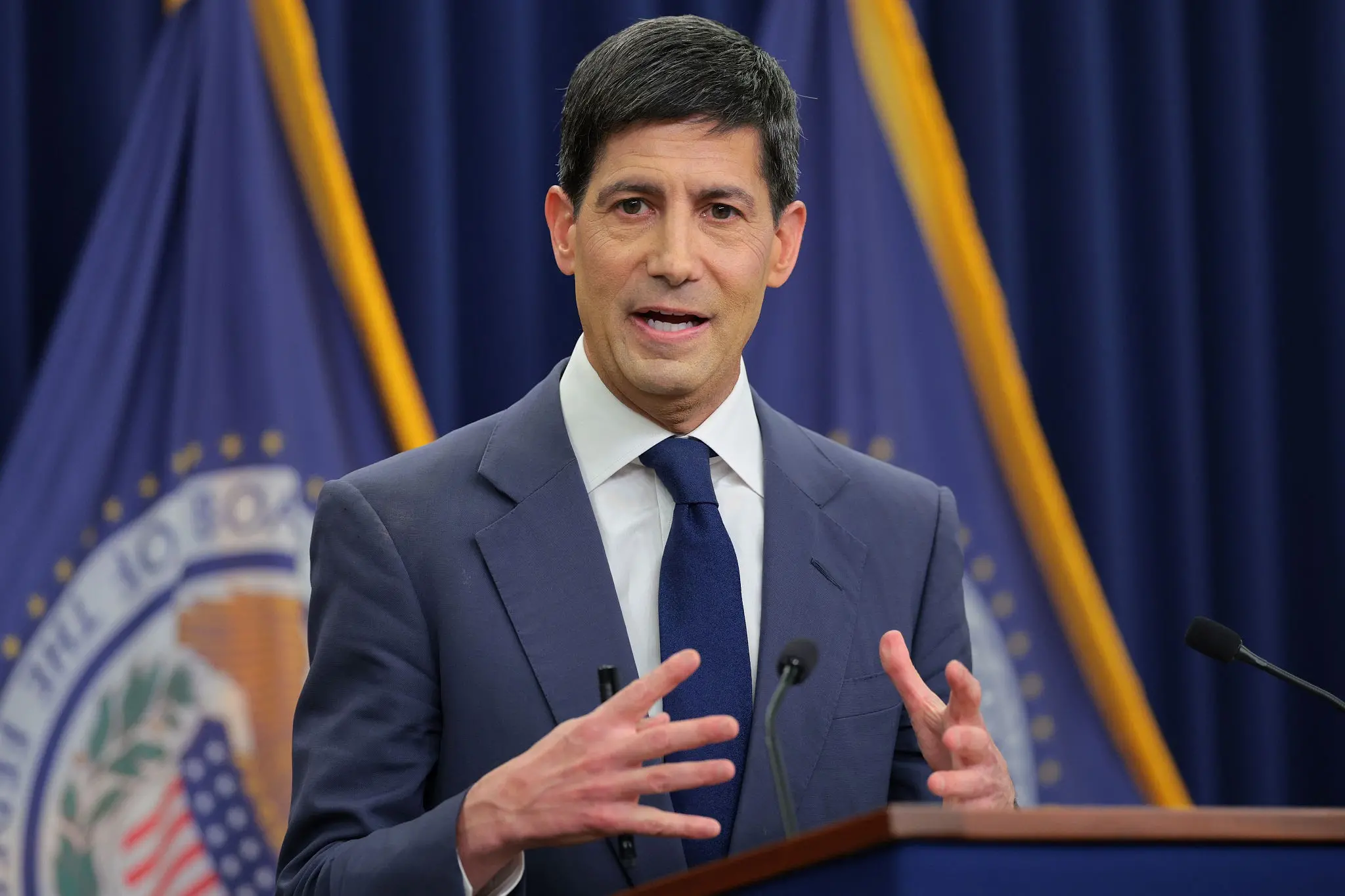
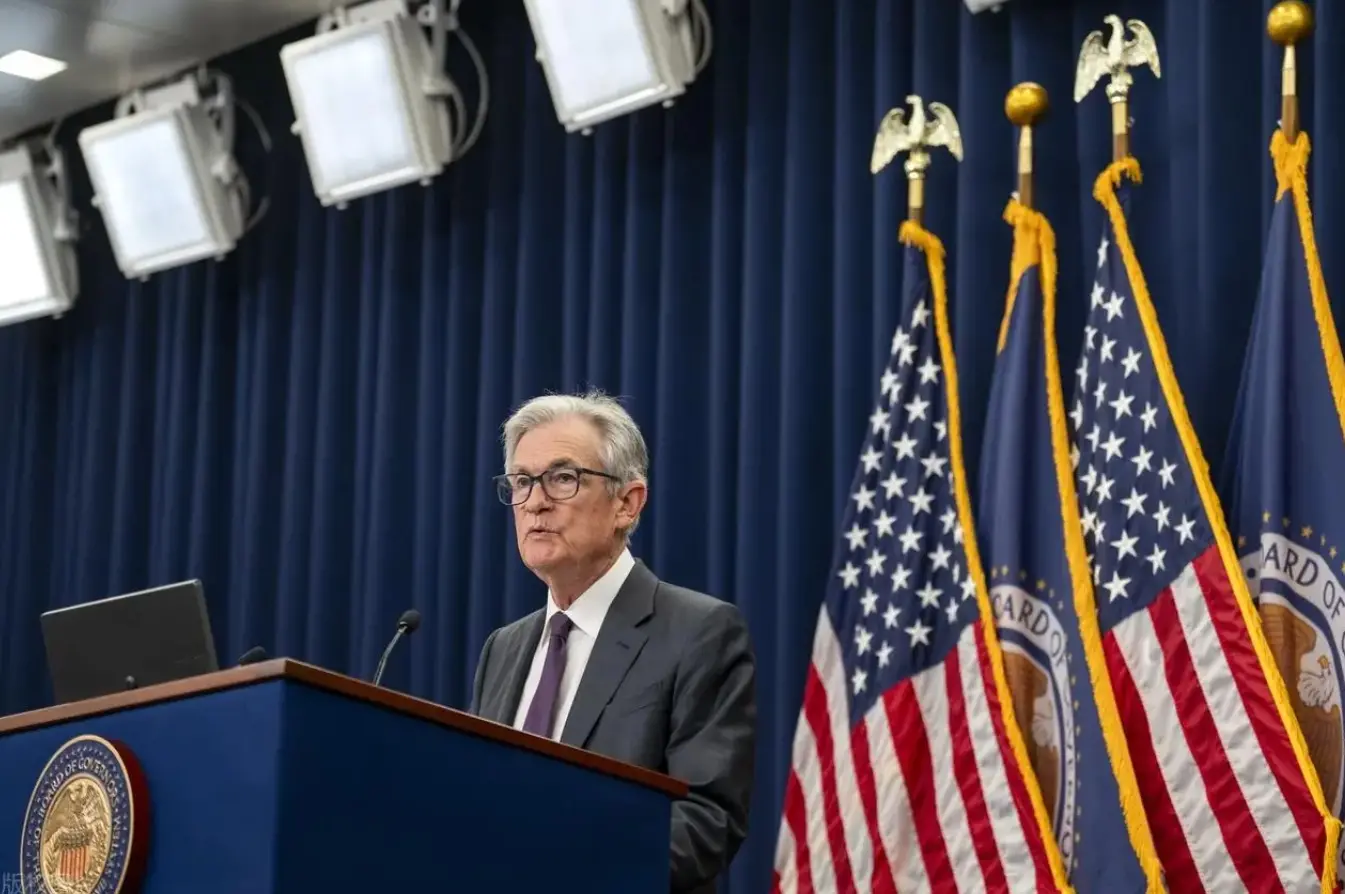
According to CoinDesk, Bitcoin is currently stable around $80,000, with traders focusing on Federal Reserve Chairman Kevin Walsh's keynote speech at the Jackson Hole annual meeting. The annual seminar hosted by the Kansas City Fed opened on Wednesday, and Walsh will speak on Friday morning. Current inflation remains well above the Fed's 2% target, and long-term borrowing costs are near multi-year highs, with the Fed maintaining the benchmark interest rate range at 3.5%-3.75% in recent months.Mark Connors, Chief Investment Officer of Risk Dimensions, expects Walsh to keep the option of raising interest rates but not to raise rates before the midterm elections. The July PCE inflation rate reached 3.7%, partly driven by rising energy prices following the Iran war. Samir Kerbage, Chief Investment Officer of Hashdex, stated that Bitcoin does not directly respond to the September interest rate decision but follows global liquidity and long-end yield curve trends, similar to the drivers of gold. Last week, the U.S. Treasury announced an increase in long-term Treasury bond purchases after the 30-year Treasury yield hit a 19-year high, which pushed Bitcoin higher; Kerbage described this surge as "primarily a liquidity event."This year's Jackson Hole meeting focuses on financial innovation, payments, and policy, with stablecoins, tokenized deposits, and faster settlement systems becoming the discussion highlights. Kerbage believes that if Walsh views these technologies as part of the financial system rather than risks to be curtailed, the impact could extend beyond Bitcoin, with smart contract networks and protocols handling tokenized payments and settlements benefiting more directly from this shift.

Bitget CFD Chief Analyst: On the eve of Jackson Hole, market focus shifts to inflation, long-term Treasury yields, and policy framework

Bitget CFD Chief Analyst Lewis Huang stated in a live broadcast that this week’s U.S. PCE data and the Jackson Hole Global Central Bank Annual Meeting will become the market focus. The market is not only concerned about whether the Federal Reserve will adjust interest rates but will also pay close attention to how it responds to inflation remaining above the 2% target, high long-term Treasury yields, and fiscal pressures.Lewis Huang pointed out that if the core PCE is higher than expected and the Federal Reserve signals a continuation of tightening or emphasizes anti-inflation measures, U.S. Treasury yields and the dollar may receive support, while interest rate-sensitive assets like gold and the Nasdaq 100 may come under pressure. Conversely, if inflation data cools and officials express a tendency to retain policy flexibility, the market may re-evaluate future easing space, benefiting gold, non-U.S. currencies, and growth-oriented stock indices. This PCE data is generally in line with expectations, and the market focus has shifted to the Jackson Hole Global Central Bank Annual Meeting.In addition, the situation in the Middle East and risks in the Strait of Hormuz may still push up oil prices and inflation expectations. Traders should closely observe the U.S. dollar index, U.S. 2-year and 10-year Treasury yields, and the correlation between gold and oil; after major data releases, it is advisable to wait for further market confirmation of direction to avoid using high leverage to chase the initial wave of trends.

The "inflation thunder" will be revealed on the eve of Jackson Hole! The core PCE in July may rise to 3.3%, and the expectation of interest rate hikes in September is heating up

At 20:30 Beijing time tonight, the U.S. Department of Commerce will release the July Personal Consumption Expenditures (PCE) price index. The market expects the overall PCE in July to rise by 0.1% month-on-month, with the year-on-year increase falling from 3.7% in June to 3.6%; the core PCE is expected to rise from 0.1% to 0.2% month-on-month, while year-on-year it remains at 3.3%, marking the 65th consecutive month above the Federal Reserve's 2% inflation target.It is noteworthy that rising prices in the AI industry chain, high valuations in the stock market pushing up portfolio management fees, and the situation in the Middle East leading to increased energy costs may all become potential drivers of core inflation. Goldman Sachs predicts that stock market valuation factors alone could contribute approximately 0.11 percentage points to the month-on-month increase in core PCE for July.What draws more market attention is that the Bureau of Economic Analysis plans to comprehensively adjust the PCE statistical methods by the end of September, which may involve adjustments to the price calculations for categories such as computer hardware, stock portfolio management, and legal services, and may also retroactively revise historical data, increasing the difficulty of interpreting inflation data.Currently, the market's views on the Federal Reserve's policy path in September are increasingly divided. CME's "FedWatch" shows that the probability of the Federal Reserve keeping interest rates unchanged in September is 59.9%, while the probability of a 25 basis point rate hike has risen to 40.1%. The market is also waiting for this week's Jackson Hole annual meeting to seek the latest signals from Fed Chair Powell regarding inflation and subsequent interest rate policies.

Analysis: Waller may release dovish signals at Jackson Hole, with US debt policy coordination becoming the market focus

The market is closely watching Federal Reserve Chairman Kevin Walsh's speech at the Jackson Hole annual meeting this Friday. As U.S. long-term Treasury yields continue to rise, the market generally expects Walsh to possibly release dovish signals to alleviate concerns about inflation and fiscal risks in the bond market.Mark Cabana, head of U.S. interest rate strategy at Bank of America, stated that the market has gradually lost sensitivity to Walsh's previous verbal statements about "fighting inflation," and investors currently hope to see a substantive policy path to address inflation. Meanwhile, Treasury Secretary Basant has recently increased the repurchase of long-term U.S. Treasuries and financed the government through the issuance of short-term bonds, indicating some divergence between the Treasury and the Federal Reserve in managing the bond market.The article points out that Basant's shift of financing pressure to the short end effectively bets U.S. fiscal costs on future interest rate declines. If Walsh can promote interest rate cuts by controlling inflation and boosting productivity, the short-term financing model is expected to reduce government interest expenses; however, if long-term rates remain high, U.S. fiscal pressure may further intensify.The market also anticipates that the Federal Reserve may make adjustments to liquidity management and balance sheet policies. Michael Cloherty, head of U.S. interest rate strategy at CIBC, believes that quantitative tightening could begin as early as the end of 2027, provided that regulatory rule changes can reduce banks' demand for reserves.Currently, the Federal Reserve still holds about $1.6 trillion in long-term U.S. Treasuries. Walsh's statements at Jackson Hole regarding long-term yields, inflation, and the path of balance sheet reduction may become an important signal for assessing the degree of future policy coordination between the Federal Reserve and the Treasury.
app_icon
ChainCatcher Building the Web3 world with innovations.